Technology
Cinematography Unveiled: Essential Tips for Capturing Stunning Visuals
Chloe Flynn5 min read
Cinematography is an art that combines technical skill with creativity to tell stories through visuals. In this post, we explore essential tips that will help you elevate your cinematography game and capture breathtaking shots. Perfect for both beginners and seasoned filmmakers, this guide promises to enhance your visual storytelling skills.
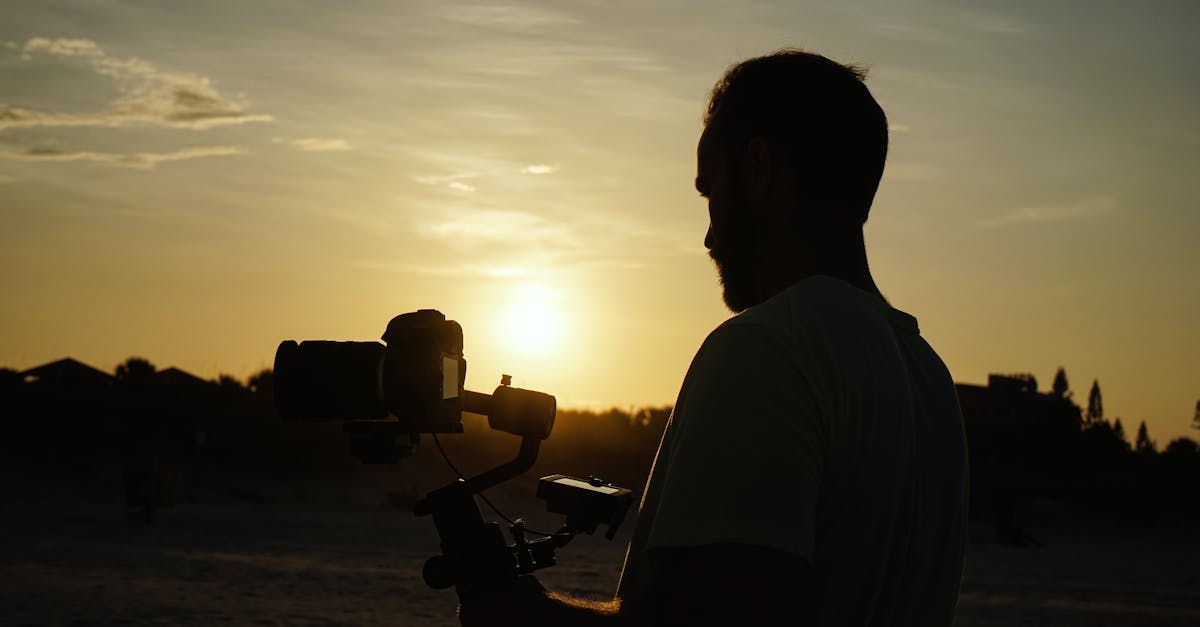
Understanding the Basics of Composition
Composition is the backbone of great cinematography. It involves the arrangement of elements within a frame and plays a crucial role in guiding your audience's attention. Start by familiarizing yourself with the Rule of Thirds, a classic principle that suggests dividing your frame into a 3x3 grid. Position key elements along these lines or at their intersections to create balance and interest. Additionally, experiment with symmetry and leading lines to draw viewers into the narrative. Don’t forget about negative space, which can emphasize your subject and contribute to the overall mood of your shot. Practicing these techniques will sharpen your vision and improve your storytelling through visuals.
Mastering Lighting Techniques
Lighting is a fundamental aspect of cinematography that can dramatically influence the mood, tone, and overall quality of your visuals. Natural light offers a beautiful, soft illumination, making it ideal for outdoor filming. However, when shooting indoors or at night, you’ll need to manipulate artificial light to achieve the desired effect. Experiment with three-point lighting — key light, fill light, and backlight — to create depth and dimension. Use diffusion materials to soften hard light sources, and consider color temperature when selecting your lighting equipment. The key is to be adaptable; observe how the light changes throughout your shoot and adjust accordingly to maintain your artistic vision.
Camera Settings That Make a Difference
To translate your creative ideas into stunning visuals, understanding your camera settings is essential. Start with frame rates: know when to use high fps for smooth motion and low fps for dramatic impacts. Next, dive into exposure settings, including ISO, aperture, and shutter speed, which work together to impact how much light your camera captures. A lower ISO is preferred for well-lit environments, while a higher ISO may be necessary in low-light situations. Similarly, adjusting your aperture controls the depth of field; a wide aperture can create a beautiful bokeh effect that isolates your subject from the background. Mastering these settings enables you to capture your vision accurately and creatively.
Conclusion: Embrace Your Creative Journey
As you venture into the world of cinematography, remember that the most important aspect is to embrace your unique creative vision. Implementing these essential tips will help you enhance your skills and confidence behind the camera. Keep experimenting, learning, and pushing the boundaries of your imagination. In the end, it's not merely about capturing stunning visuals; it's about telling compelling stories that resonate with your audience. Happy filming!
Article information
Published
CF
Chloe Flynn
Author
This information is general and is not a substitute for professional advice for your specific situation.