A kitchen atlas for everyday cooking.

Culinary Traditions

Home Cooking & Food Culture: practical guides in culinary traditions.

Cover image for Rice-Cooking Families: Absorption, Pilaf, and Pasta-Style
Culinary Traditions

Rice-Cooking Families: Absorption, Pilaf, and Pasta-Style

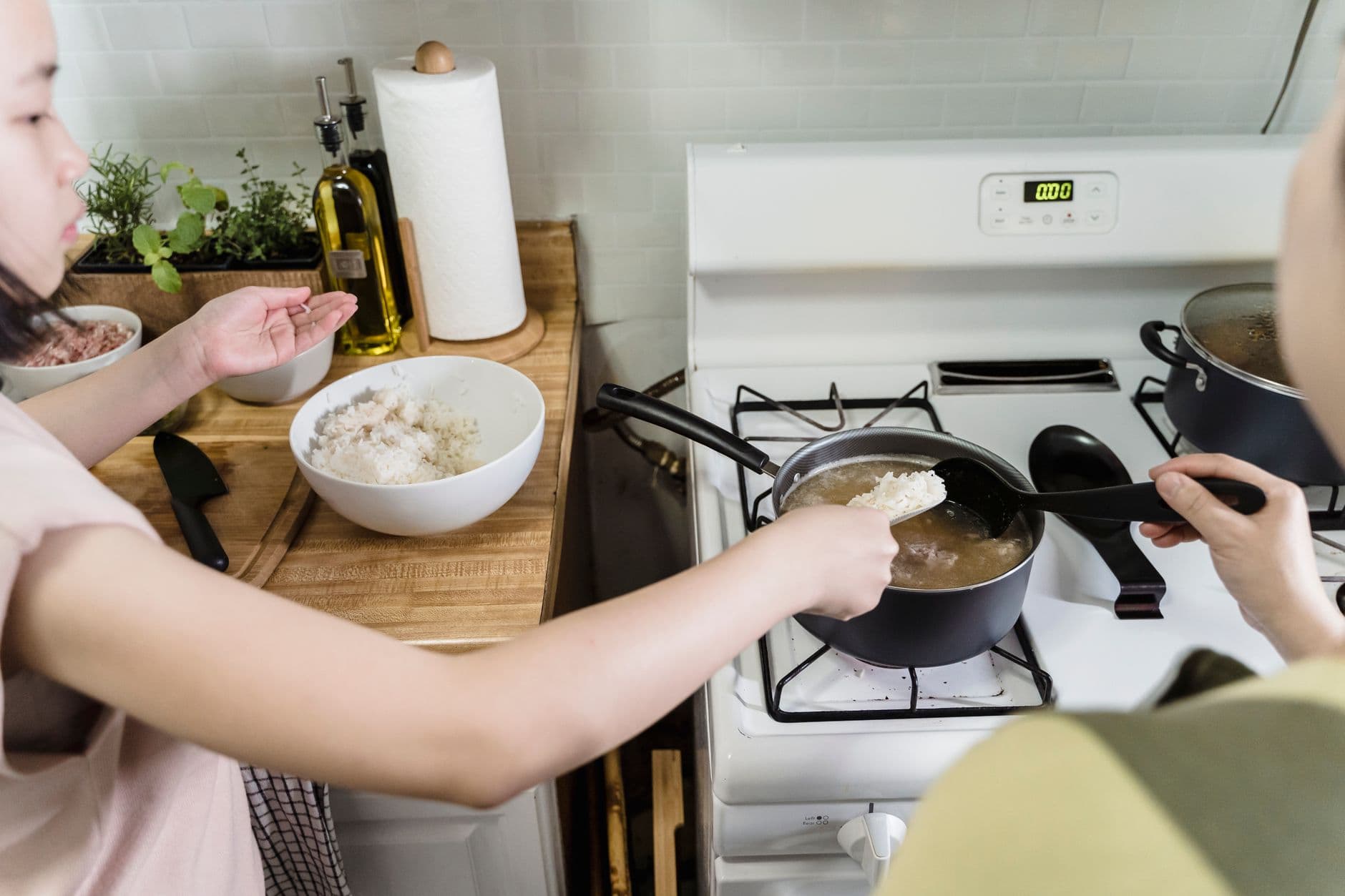
Most home cooks have faced a pot of rice that’s gummy, scorched, or stubbornly crunchy. The root of the problem often lies in choosing the right rice method, knowing its quirks, and troubleshooting when things go sideways. Absorption, pilaf, and pasta-style cooking each fail in different ways. Match the method to the grain and the meal, then fix the usual mistakes instead of starting over.
Cover image for Broth Versus Stock in a Home Kitchen, Without the Myths
Culinary Traditions

Broth Versus Stock in a Home Kitchen, Without the Myths

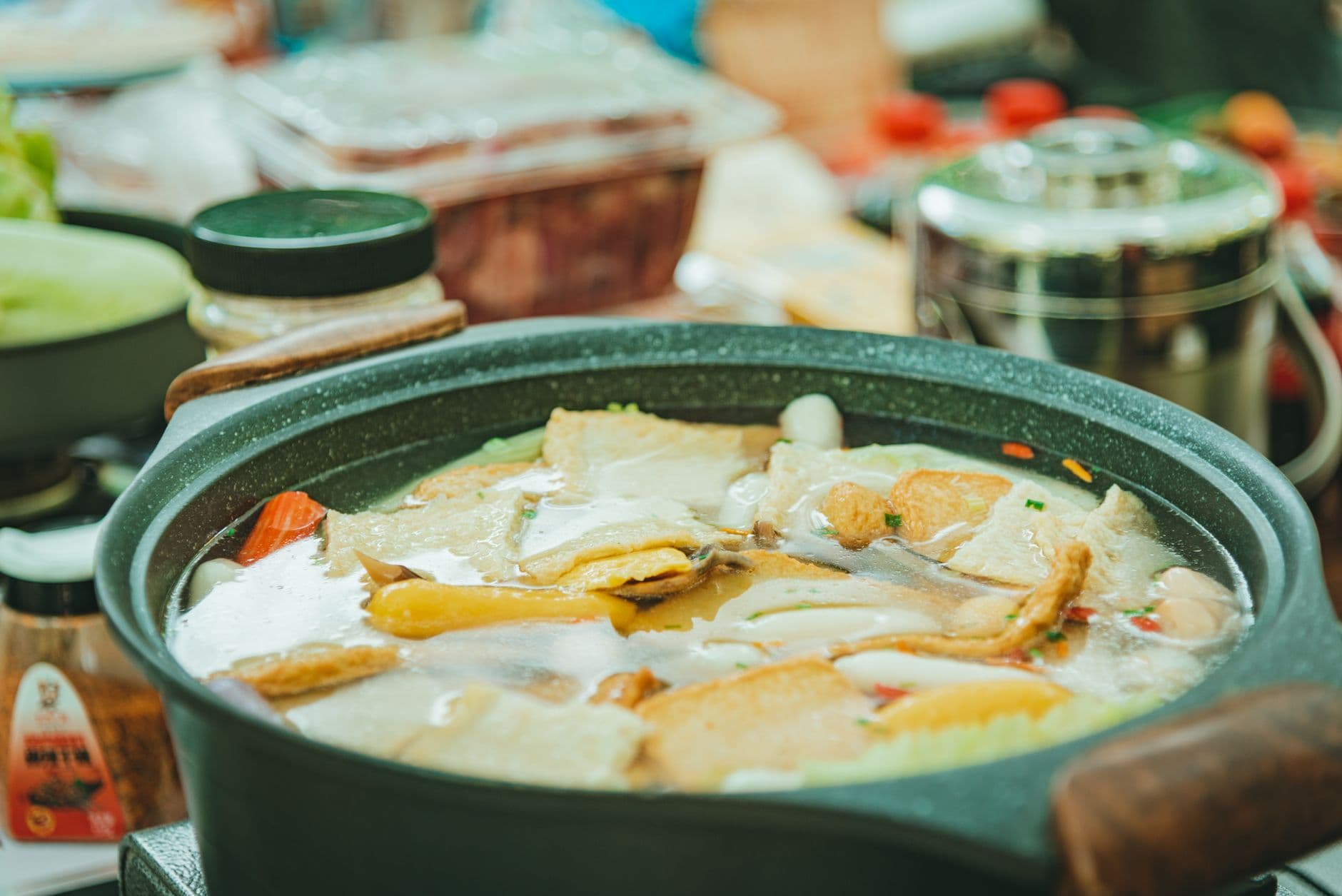
Every home cook eventually faces the broth vs stock debate, especially when a recipe simply calls for 'chicken stock' or 'vegetable broth' and your pantry offers neither. Do the differences actually matter for a Tuesday night soup or a freezer stash of winter stews? Here’s a practical, myth-free look at what sets broth and stock apart, how to make each with what you have, and why you shouldn’t stress over labels—plus, essential food safety steps that keep your homemade liquids safe and delicious.

Cover image for A Flatbread Family Map You Can Cook at Home
Culinary Traditions

A Flatbread Family Map You Can Cook at Home

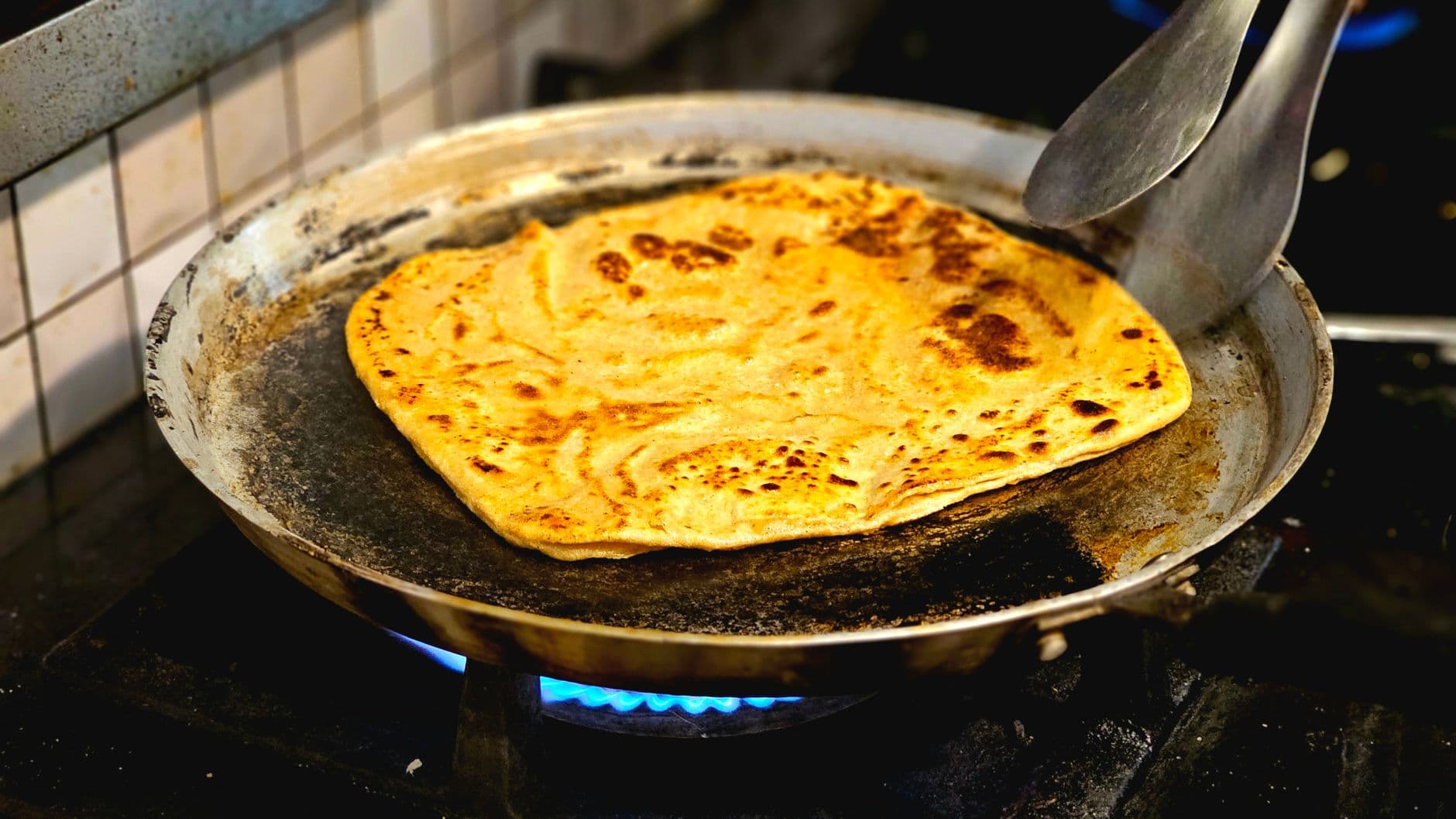
Standing at your kitchen counter, flour dusted across your hands, you might wonder: should you roll out a chewy naan, crisp up a tortilla, or try a simple skillet bread? Flatbreads are one of the world’s oldest, most adaptable staples, but deciding which home flatbread type to make—and how to make it safely and well—can feel like a leap into culinary geography. This practical guide charts a handful of classic flatbreads, with step-by-step advice for mixing, shaping, cooking, and storing, so you can confidently explore global traditions right at your own stove.

Cover image for A Dumpling-Fold Overview for Home Cooks Who Are Starting Out
Culinary Traditions

A Dumpling-Fold Overview for Home Cooks Who Are Starting Out

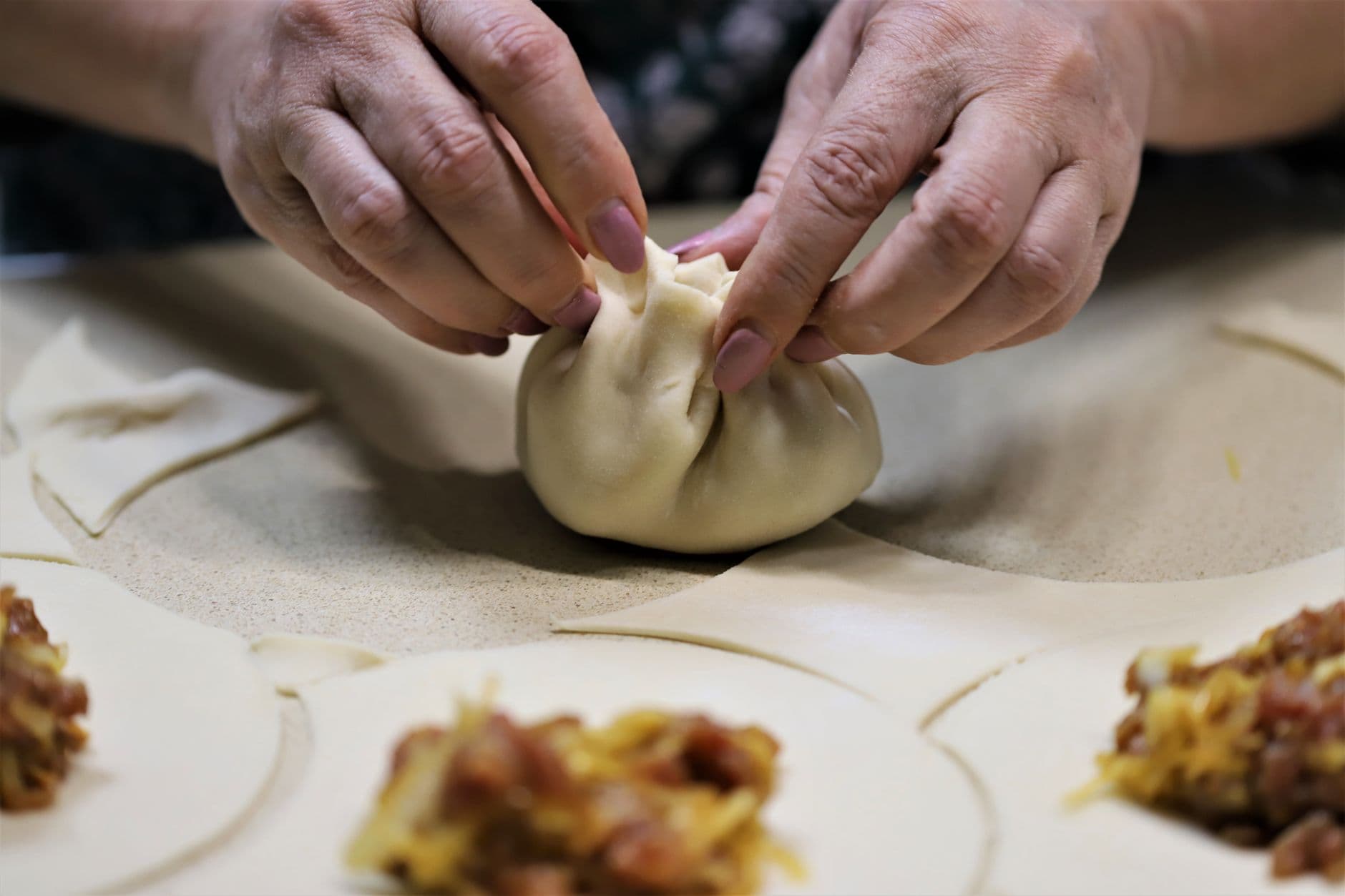
Dumpling fold techniques look intimidating for beginners, but a few simple, reliable folds can open up a world of homemade comfort food. This walkthrough covers the best starter folds, how to keep fillings safe and fresh, and why the right fold matters for steaming, boiling, or pan-frying. If you’ve ever wondered whether your dumplings will hold together, or how to avoid gummy bottoms and leaks, this guide helps you get hands-on without the overwhelm.

Cover image for Store-Bought Versus Homemade Dumpling Wrappers
Culinary Traditions

Store-Bought Versus Homemade Dumpling Wrappers

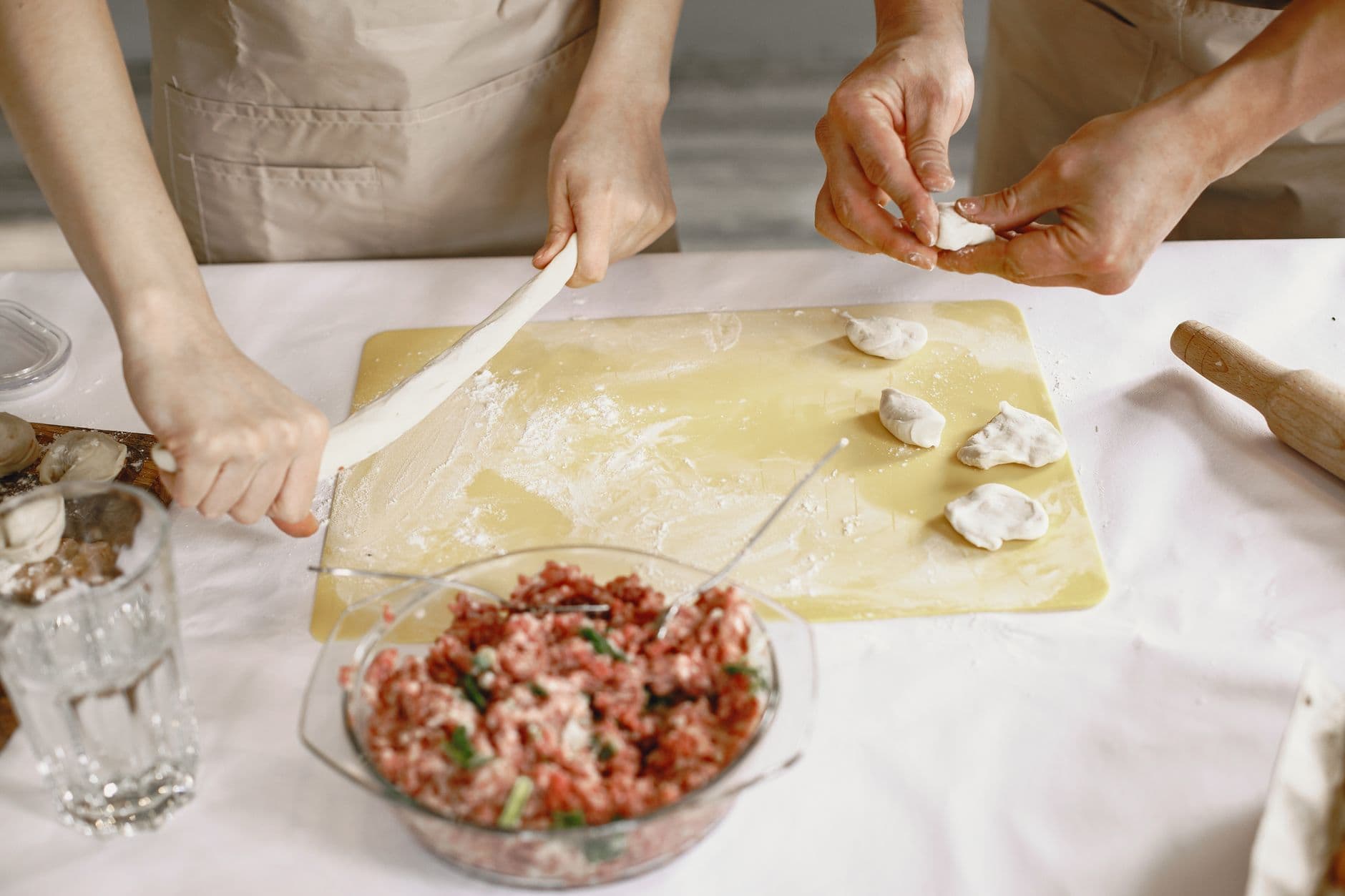
When the urge for dumplings strikes, home cooks face a crucial choice: reach for a packet of store-bought wrappers or make dough from scratch. Each path shapes the cooking experience and final result, from the texture of the dumpling skin to how it behaves under your fingertips. This practical editorial guides you through the trade-offs—speed, tradition, texture, and food safety—so you can confidently choose the right wrapper for your next batch, whether you’re folding for a family feast or a solo experiment.

Cover image for A Yogurt Marinade Map for Chicken and Vegetables
Culinary Traditions

A Yogurt Marinade Map for Chicken and Vegetables

You’re eyeing a pack of chicken thighs and a drawer of vegetables, but you want more than salt and oil. Yogurt marinade promises flavor and tenderness—but what goes in, how long is enough, and can you toss in your carrots and peppers too? This planning narrative lays out the evening step-by-step: prepping, marinating, food safety, and roasting, so you can confidently build a yogurt marinade for chicken and vegetables, adapting to what’s in your fridge. Along the way, you’ll learn how yogurt’s tangy base helps flavor and tenderness, how to handle produce and poultry together, and what to do with leftovers for safe, delicious results.

Cover image for Sofrito, Mirepoix, and Their Cousins as a Starting Mix
Culinary Traditions

Sofrito, Mirepoix, and Their Cousins as a Starting Mix

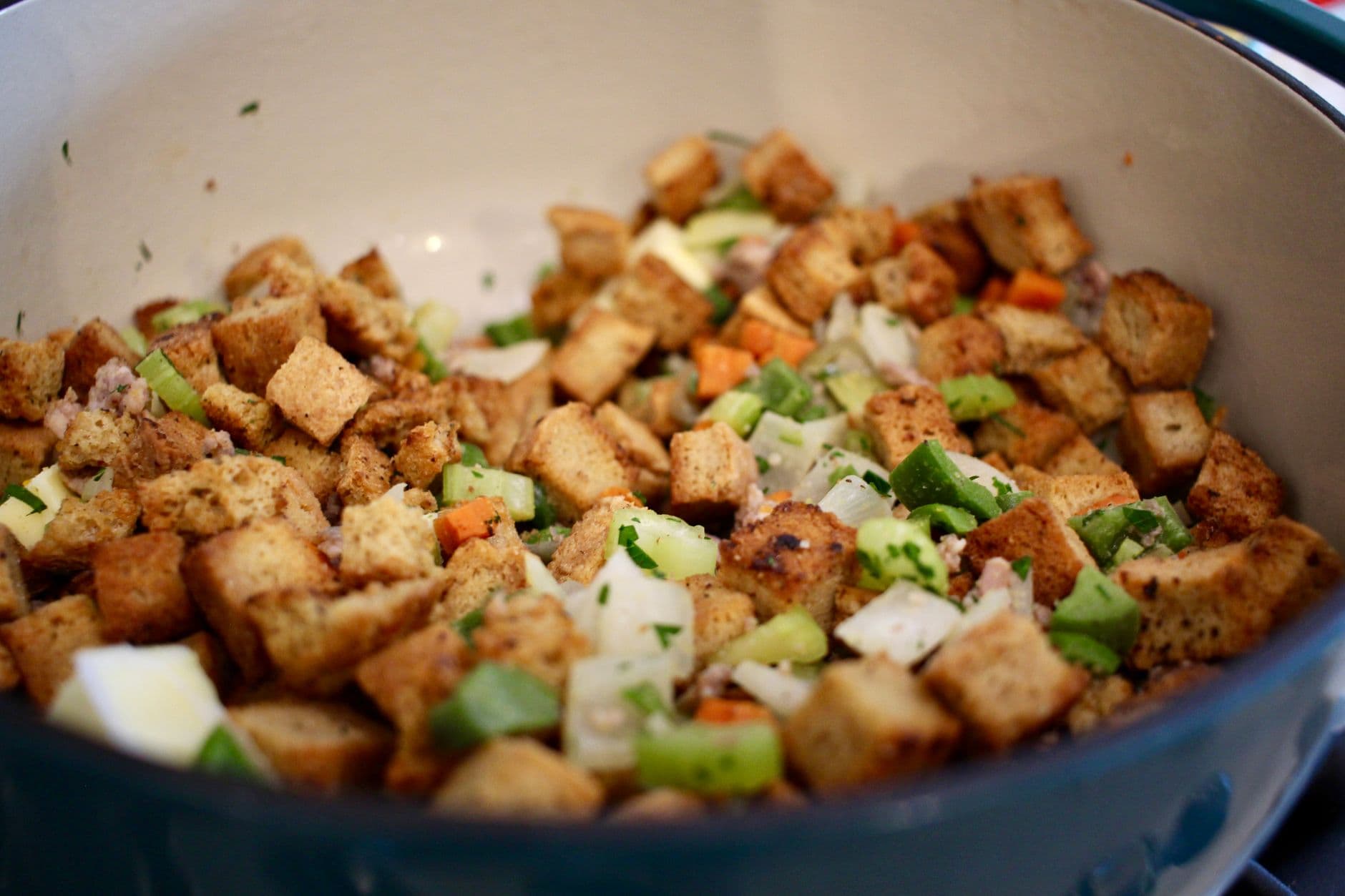
Every home cook eventually faces the question: which aromatic base should I use to jumpstart flavor—sofrito, mirepoix, or something else? Understanding the differences between these foundational mixes is not just about tradition, but about practical results in your pot. This article untangles the similarities and distinctions of sofrito vs mirepoix, explores their global cousins, and shows, step by step, how to build a versatile soup using whatever you have on hand—without sacrificing food safety or flavor.