You’re eyeing a pack of chicken thighs and a drawer of vegetables, but you want more than salt and oil. Yogurt marinade promises flavor and tenderness—but what goes in, how long is enough, and can you toss in your carrots and peppers too? This planning narrative lays out the evening step-by-step: prepping, marinating, food safety, and roasting, so you can confidently build a yogurt marinade for chicken and vegetables, adapting to what’s in your fridge. Along the way, you’ll learn how yogurt’s tangy base helps flavor and tenderness, how to handle produce and poultry together, and what to do with leftovers for safe, delicious results.
The Evening Dilemma: Chicken, Vegetables, and the Promise of Yogurt
It’s 5:30 PM, you’re home, and chicken is on the menu. You want it juicy, flavorful, and not the same as last week’s pan-seared standby. You also have a crisper full of vegetables that need using. Enter the yogurt marinade—a shortcut to flavor and tenderness, but one that raises questions: Which spices? How long to marinate? Can vegetables join, or will they turn mushy? And above all, how do you keep dinner safe and stress-free? Let’s map an evening in the kitchen, from fridge to table, with yogurt as your guide.
Why Yogurt? The Science and Sensibility
Yogurt isn’t just a vessel for spices—it’s a mild acid with gentle enzymes. Unlike harsher acids (think lemon or vinegar), yogurt slowly tenderizes chicken, coaxing moisture instead of stripping it away. The lactic acid helps break down some proteins, and the creamy texture clings to both chicken and vegetables, delivering flavor deeper than a quick rub. Spices—cumin, coriander, garlic, ginger, smoked paprika—dissolve easily in yogurt, meaning every bite is seasoned. For vegetables, it’s a little trickier: softer types (zucchini, mushrooms) soak up flavor fast, while roots (carrot, sweet potato) need extra time or a quick par-cook.
Yogurt’s gentle acidity is what sets it apart from other marinades. While lemon juice or vinegar can toughen proteins if left too long, yogurt works more slowly, making it forgiving for busy evenings. The dairy proteins in yogurt also help with browning in the oven, creating a flavorful crust on chicken and vegetables. This creamy base acts as a carrier for fat-soluble flavors from spices, herbs, and aromatics, ensuring the final dish tastes complex even with a short marination window.
Mapping Your Marinade: Ratios and Options
The classic ratio is about 1 cup plain yogurt to 1.5–2 pounds of chicken, plus 2 teaspoons salt and a few tablespoons of spices, fresh herbs, or aromatics. Garlic and ginger (grated or smashed), ground spices (coriander, cumin, turmeric, smoked paprika), and a squeeze of lemon or a splash of oil all fit. If using Greek yogurt, consider thinning with a splash of water or oil so it coats easily. For vegetables, toss them in a separate bowl with some of the marinade, unless you’re cooking everything together immediately. If you’re prepping ahead, keep raw chicken and vegetables separate for food safety reasons (see below).
Marinade customization is nearly endless. Add a spoonful of tomato paste for depth, a pinch of chili flakes for heat, or a handful of chopped cilantro or parsley for brightness. For a richer result, a drizzle of olive oil in the marinade helps with browning and flavor. If you have only flavored yogurt (such as lemon or herb), adjust salt and acid accordingly. Just avoid sweetened yogurts, which can burn during roasting.
Vegetable selection is flexible: bell peppers, onions, cauliflower, broccoli, carrots, and squash all take well to yogurt. Denser vegetables like carrots and potatoes can be cut smaller or par-cooked in the microwave for a few minutes before marinating, ensuring they finish roasting alongside the chicken.
Safe Prep: Handling Chicken and Vegetables
Before marinating, wash all vegetables under running water—even if you plan to peel them—to remove dirt and potential bacteria. Use a clean cutting board for produce, and a separate one for raw chicken to prevent cross-contamination. After prepping chicken, wash your hands, knives, and any surfaces with hot, soapy water. If you plan to marinate chicken and vegetables together, only do so if they’ll cook to a safe internal temperature. Otherwise, reserve some marinade for vegetables before adding chicken, and keep both bowls covered in the fridge.
Produce safety is more than a formality. According to the U.S. FDA, even pre-washed or bagged produce should be rinsed under running water just before use. Scrub firm produce like carrots or potatoes with a clean brush. Discard any bruised or damaged sections, as bacteria can lurk in those spots. For leafy greens or herbs, swish in a bowl of water and lift out to leave grit behind.
Chicken should be unwrapped just before use and patted dry with paper towels. Any juices should be contained and disposed of safely. After handling raw poultry, avoid touching spice jars, refrigerator handles, or other kitchen surfaces until hands are thoroughly washed. This step is crucial for reducing the risk of spreading Salmonella or Campylobacter, common bacteria found in raw poultry.
Marination Timing: How Long Is Enough?
Chicken benefits from at least 30 minutes in the yogurt marinade, but up to 8 hours is even better. Longer than overnight, and the texture can get mushy. For a weeknight, even a brief soak while the oven heats up will help. Vegetables, being more porous, need less time—15 to 30 minutes is enough, especially for softer types. If you’re in a hurry, toss vegetables in the marinade just before cooking. Always marinate in the refrigerator, not at room temperature, to prevent bacterial growth.
FoodSafety.gov emphasizes that marinating at room temperature is unsafe, as bacteria multiply rapidly between 40°F and 140°F. For best results, cover the marinating chicken and vegetables tightly and store them on the lowest shelf of the fridge to prevent drips. If you want to use some marinade as a sauce or glaze, set it aside before adding raw chicken. Never reuse marinade that’s been in contact with raw poultry unless it’s boiled for at least a few minutes to kill any bacteria.
If the schedule is tight, even 20 minutes of marination while prepping the rest of the meal will impart noticeable flavor and tenderness, thanks to yogurt’s unique properties.
Cooking: Roast, Grill, or Sauté?
A yogurt marinade works beautifully in the oven, on the grill, or in a skillet. For a weeknight, the one-pan oven method is hard to beat: arrange marinated chicken (skin-on or boneless) on a sheet pan, scatter marinated vegetables around, and roast at 425°F. Chicken thighs or drumsticks are forgiving; if using breasts, check early to avoid dryness. According to the USDA Food Safety and Inspection Service, chicken must reach an internal temperature of 165°F, measured at the thickest part. Vegetables are done when browned and tender.
To ensure even cooking, spread chicken and vegetables in a single layer, leaving a bit of space between pieces. If the pan is crowded, use two pans or rotate halfway through for even browning. For extra char, finish under the broiler for a minute or two at the end. If grilling, thread marinated chicken and vegetables onto skewers, keeping similar sizes together for even cooking. On the stovetop, use a heavy skillet over medium-high heat, cooking chicken first and adding vegetables as space allows.
A digital thermometer is the most reliable way to check doneness. Insert it into the thickest part of the chicken, avoiding bone. For vegetables, pierce with a fork; they should be tender but not falling apart. If the yogurt coating starts to brown too quickly, cover loosely with foil and reduce the oven temperature by 25°F.
Serving and Leftovers: Making It Last
Once cooked, serve chicken and vegetables hot, scraping up any caramelized marinade. If you have leftovers, cool them promptly—ideally within two hours—and store in shallow containers in the fridge. Leftovers are best used within 3–4 days; reheat to at least 165°F before eating. Discard any marinade that’s touched raw chicken unless you boil it for several minutes.
The USDA FSIS recommends dividing large portions into smaller, shallow containers to speed cooling and reduce the risk of bacterial growth. Label leftovers with the date, and use within the recommended window. When reheating, ensure the food is steaming hot throughout; microwaves can heat unevenly, so stir and check temperature in several spots. If in doubt about how long something’s been in the fridge, remember: when in doubt, throw it out.
Leftover yogurt-marinated chicken and vegetables can be repurposed into grain bowls, wraps, or salads. If you plan to freeze leftovers, do so within two days for best quality, and thaw in the refrigerator—not on the counter.
Flavor Variations and Troubleshooting
Once you have the basic map, you can riff endlessly: add chopped cilantro and lime for a Mexican spin, or swap in curry powder and fresh mint for an Indian-inspired twist. Za’atar, sumac, and lemon zest make for a Levantine-style marinade, while a spoonful of harissa or chili paste can bring heat and depth.
If your vegetables are watery, use a hotter oven or spread them out more. If the yogurt marinade burns, try covering with foil for part of the cook or lowering the heat slightly. For vegetables that finish before the chicken, remove them early and keep warm. If the chicken releases a lot of liquid, drain excess halfway through roasting to encourage browning. Remember, the yogurt base is forgiving—its gentle acidity and creamy cling build flavor even with minimal marinating.
For those looking to batch-cook, double the marinade and freeze half in an ice cube tray for future use (without raw chicken). This makes weeknight dinners even faster and keeps flavor options open.
A Yogurt Marinade Map for Every Night
With a little planning, yogurt marinade chicken and vegetables can become a weeknight staple. The keys are safe handling, flexible ratios, and a willingness to adapt to what’s on hand. Yogurt’s tenderizing magic works in the background, while you get dinner on the table with less stress and more flavor.
The process is adaptable: swap in different spices, change up the vegetables, or try a different protein such as lamb or tofu (adjusting marination times accordingly). The main pillars—safe prep, proper marination, thorough cooking, and careful storage—ensure each meal is both delicious and safe. With these steps, yogurt marinade becomes less of a recipe and more of a reliable kitchen strategy.
Charlotte Flynn writes FeedsAtlas guides to pantry staples and culinary traditions. The pieces map techniques and ingredients so home cooks can understand a method, not a restaurant visit.
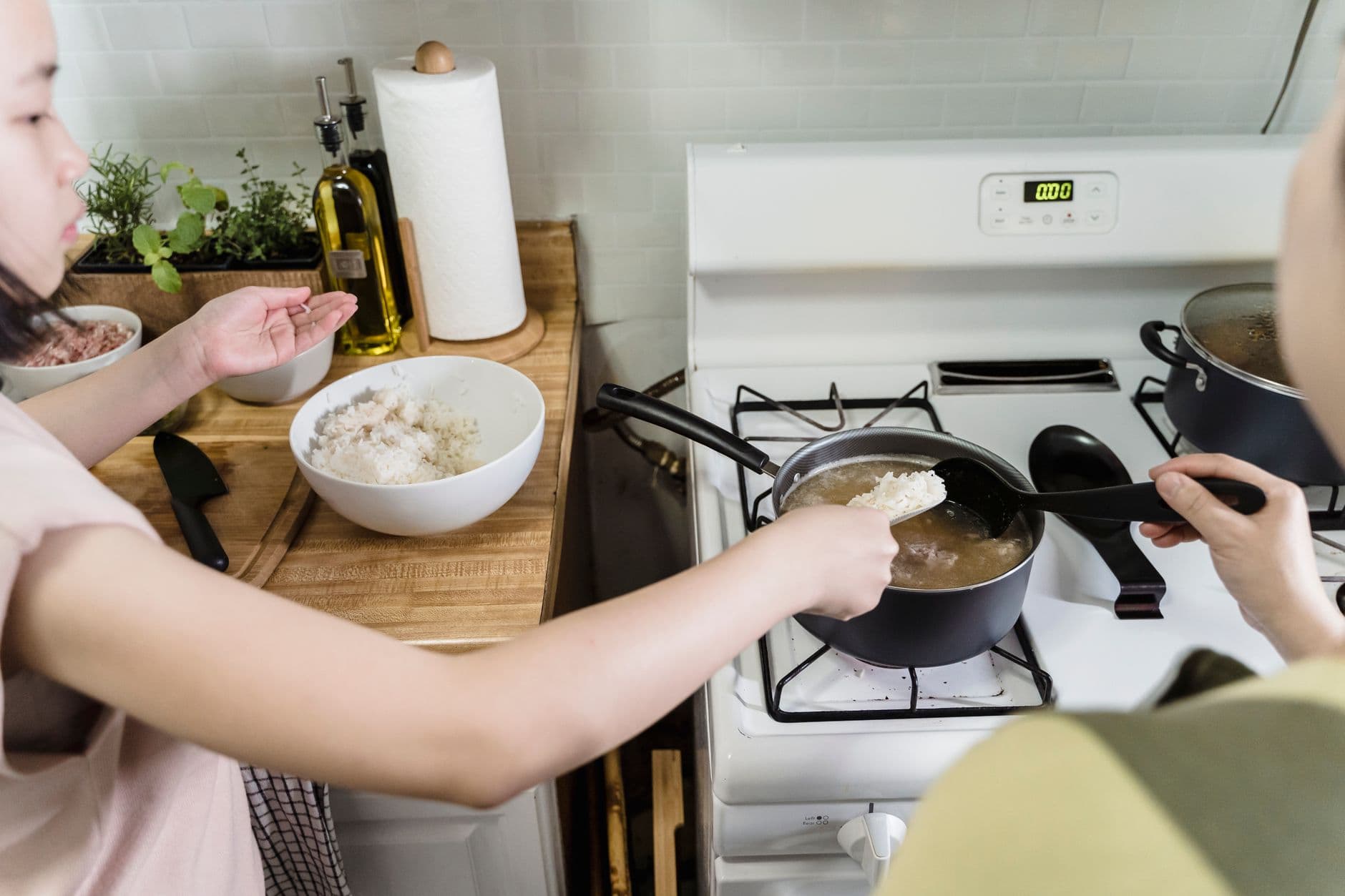
Most home cooks have faced a pot of rice that’s gummy, scorched, or stubbornly crunchy. The root of the problem often lies in choosing the right rice method, knowing its quirks, and troubleshooting when things go sideways. Absorption, pilaf, and pasta-style cooking each fail in different ways. Match the method to the grain and the meal, then fix the usual mistakes instead of starting over.
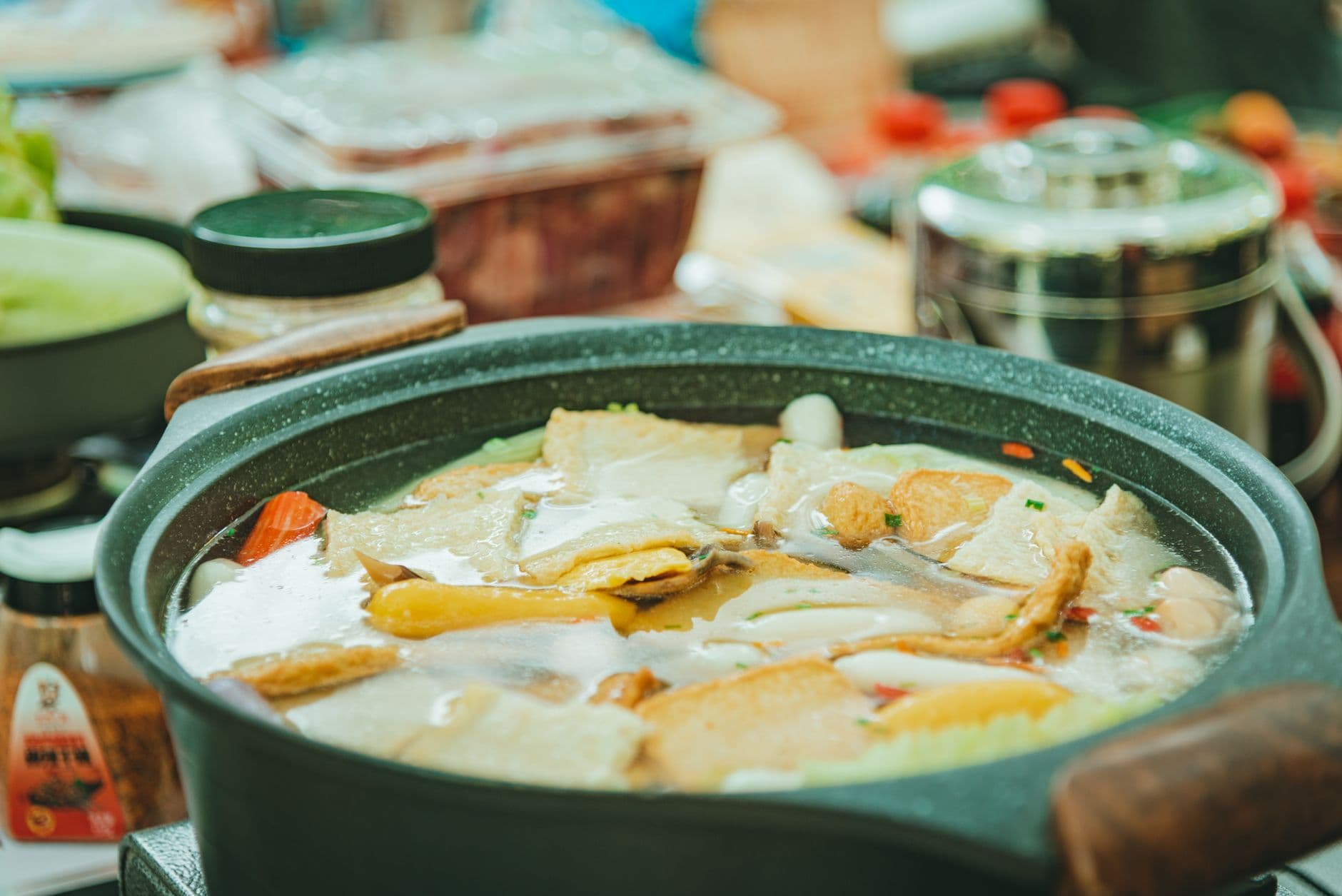
Every home cook eventually faces the broth vs stock debate, especially when a recipe simply calls for 'chicken stock' or 'vegetable broth' and your pantry offers neither. Do the differences actually matter for a Tuesday night soup or a freezer stash of winter stews? Here’s a practical, myth-free look at what sets broth and stock apart, how to make each with what you have, and why you shouldn’t stress over labels—plus, essential food safety steps that keep your homemade liquids safe and delicious.
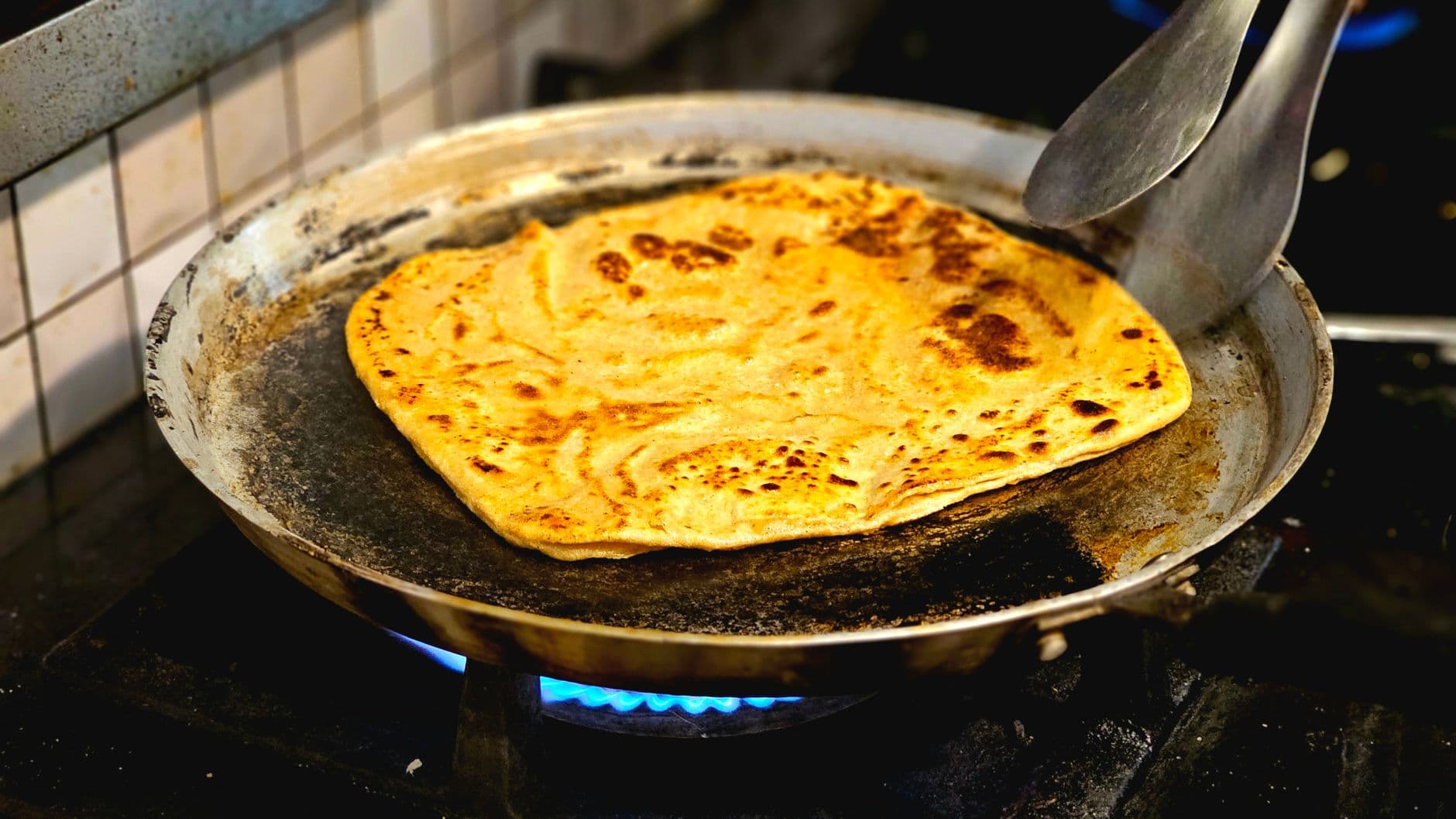
Standing at your kitchen counter, flour dusted across your hands, you might wonder: should you roll out a chewy naan, crisp up a tortilla, or try a simple skillet bread? Flatbreads are one of the world’s oldest, most adaptable staples, but deciding which home flatbread type to make—and how to make it safely and well—can feel like a leap into culinary geography. This practical guide charts a handful of classic flatbreads, with step-by-step advice for mixing, shaping, cooking, and storing, so you can confidently explore global traditions right at your own stove.
Dumpling fold techniques look intimidating for beginners, but a few simple, reliable folds can open up a world of homemade comfort food. This walkthrough covers the best starter folds, how to keep fillings safe and fresh, and why the right fold matters for steaming, boiling, or pan-frying. If you’ve ever wondered whether your dumplings will hold together, or how to avoid gummy bottoms and leaks, this guide helps you get hands-on without the overwhelm.
When the urge for dumplings strikes, home cooks face a crucial choice: reach for a packet of store-bought wrappers or make dough from scratch. Each path shapes the cooking experience and final result, from the texture of the dumpling skin to how it behaves under your fingertips. This practical editorial guides you through the trade-offs—speed, tradition, texture, and food safety—so you can confidently choose the right wrapper for your next batch, whether you’re folding for a family feast or a solo experiment.
Every home cook eventually faces the question: which aromatic base should I use to jumpstart flavor—sofrito, mirepoix, or something else? Understanding the differences between these foundational mixes is not just about tradition, but about practical results in your pot. This article untangles the similarities and distinctions of sofrito vs mirepoix, explores their global cousins, and shows, step by step, how to build a versatile soup using whatever you have on hand—without sacrificing food safety or flavor.