A Dumpling-Fold Overview for Home Cooks Who Are Starting Out
Charlotte Flynn··10 min read
Dumpling fold techniques look intimidating for beginners, but a few simple, reliable folds can open up a world of homemade comfort food. This walkthrough covers the best starter folds, how to keep fillings safe and fresh, and why the right fold matters for steaming, boiling, or pan-frying. If you’ve ever wondered whether your dumplings will hold together, or how to avoid gummy bottoms and leaks, this guide helps you get hands-on without the overwhelm.
You’ve prepped a batch of filling, dusted your counter, and set out the wrappers—only to realize you’re not sure how to fold a dumpling that won’t burst open or get soggy. For many home cooks, the question isn’t just which shape looks best, but which fold is practical, forgiving, and holds up to boiling, steaming, or pan-frying. The good news: you don’t need years of practice or specialty tools to get started. A handful of classic dumpling fold techniques can carry you through most recipes, from Chinese jiaozi to Japanese gyoza and even Eastern European pierogi. Let’s break down the best first folds, how to keep your dumplings safe and satisfying, and why the right fold matters.
Why Fold Matters: Structure and Cooking Method
Dumpling folds aren’t just about appearance. The way you seal a dumpling determines how well it holds in moisture, whether it cooks evenly, and if it can stand up to your chosen cooking method. For boiling or steaming, you want a tight seal to prevent water from seeping in and washing out the flavor. For pan-frying, a flat bottom is key for crispness. Some folds also help the dumpling stand upright or maximize filling. This is why learning a few reliable folds pays off, especially if you’re making dumplings in batches for freezing or reheating.
A well-chosen fold can mean the difference between a dumpling that bursts open in the pot and one that emerges with a supple, intact wrapper. The right fold also ensures that fillings—whether meat, seafood, or vegetables—cook through evenly, reducing the risk of undercooked centers. In recipes where the dumpling is meant to be crisped on one side, such as potstickers, the fold creates a flat surface for browning while keeping the rest of the dumpling tender. These structural details matter not just for looks, but for texture and safety.
The Classic Half-Moon (Simple Fold)
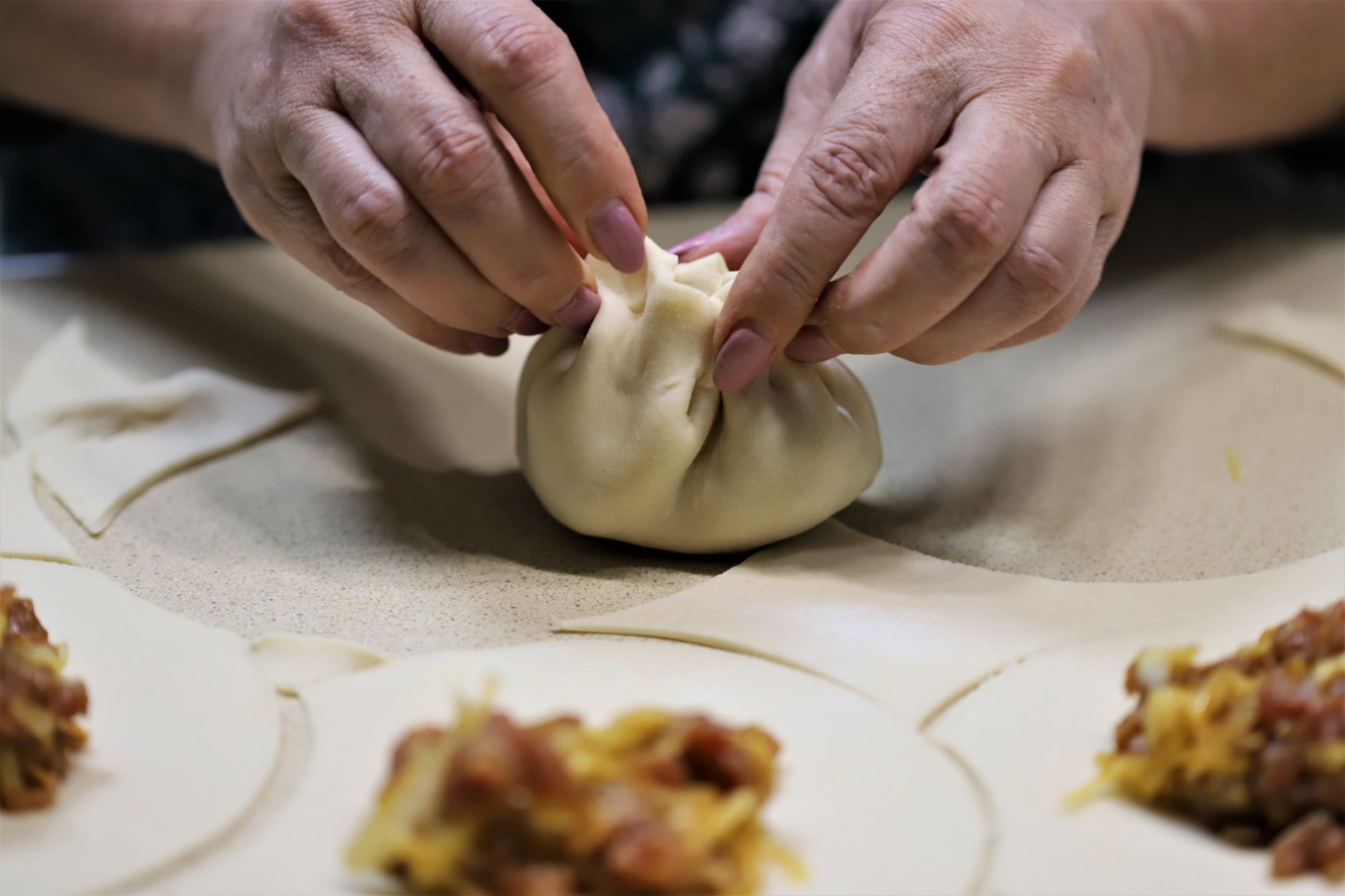
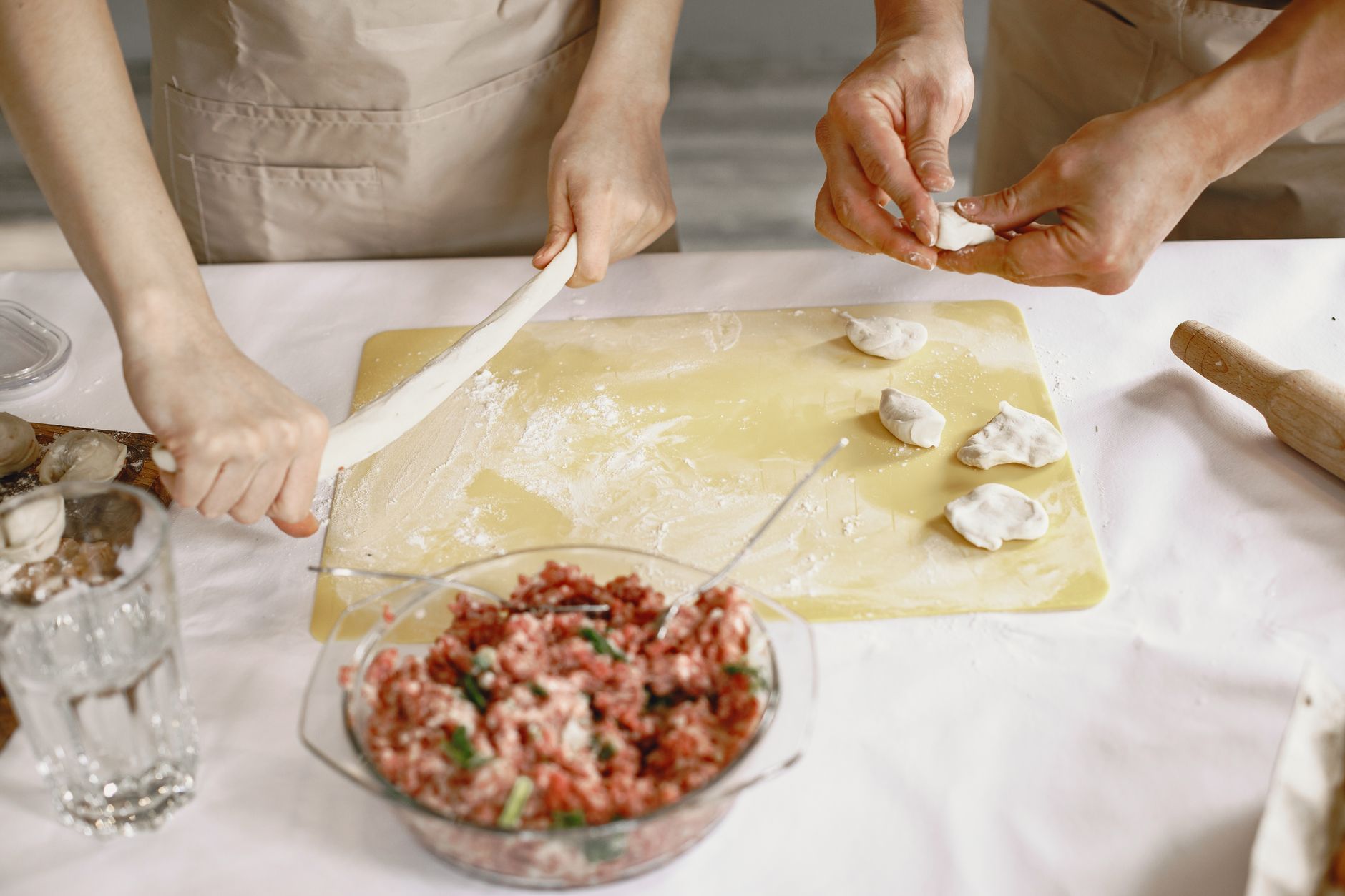
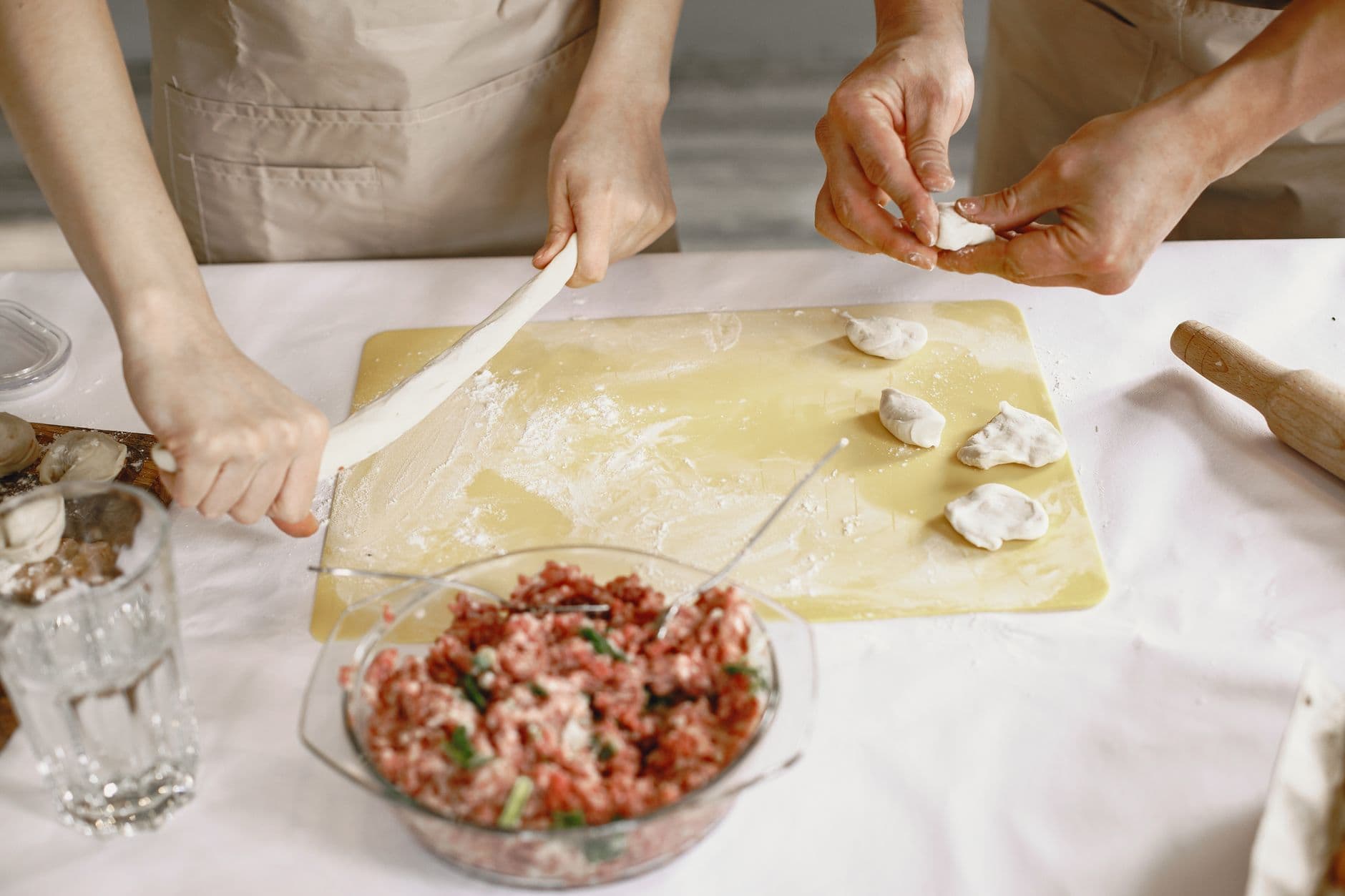
The half-moon fold is where most home cooks should start. Lay your round wrapper flat, spoon a small amount of filling in the center, and lightly dampen the edge with water. Fold the wrapper over the filling to make a half-moon shape, then pinch the curved edge tightly shut. This basic fold is used for Chinese boiled dumplings (shuijiao), Polish pierogi, and more. It’s quick, holds up to boiling and steaming, and lets you focus on even filling and sealing. Don’t overfill—too much stuffing makes sealing tricky and can lead to leaks.
Food safety is a crucial part of dumpling making, especially when working with raw proteins. Keep your fillings cold and only take out as much as you’ll use in a short session. If using raw meat, make sure it’s kept below 40°F before cooking, and always clean surfaces and hands after handling raw filling (see https://www.foodsafety.gov/keep-food-safe). Cross-contamination can happen quickly, so use separate utensils for raw and cooked ingredients, and wash your hands thoroughly with soap and water after handling raw meat or eggs. If you need to pause folding, return fillings to the refrigerator to maintain a safe temperature.
The Pleated Crescent (Potsticker-Style)
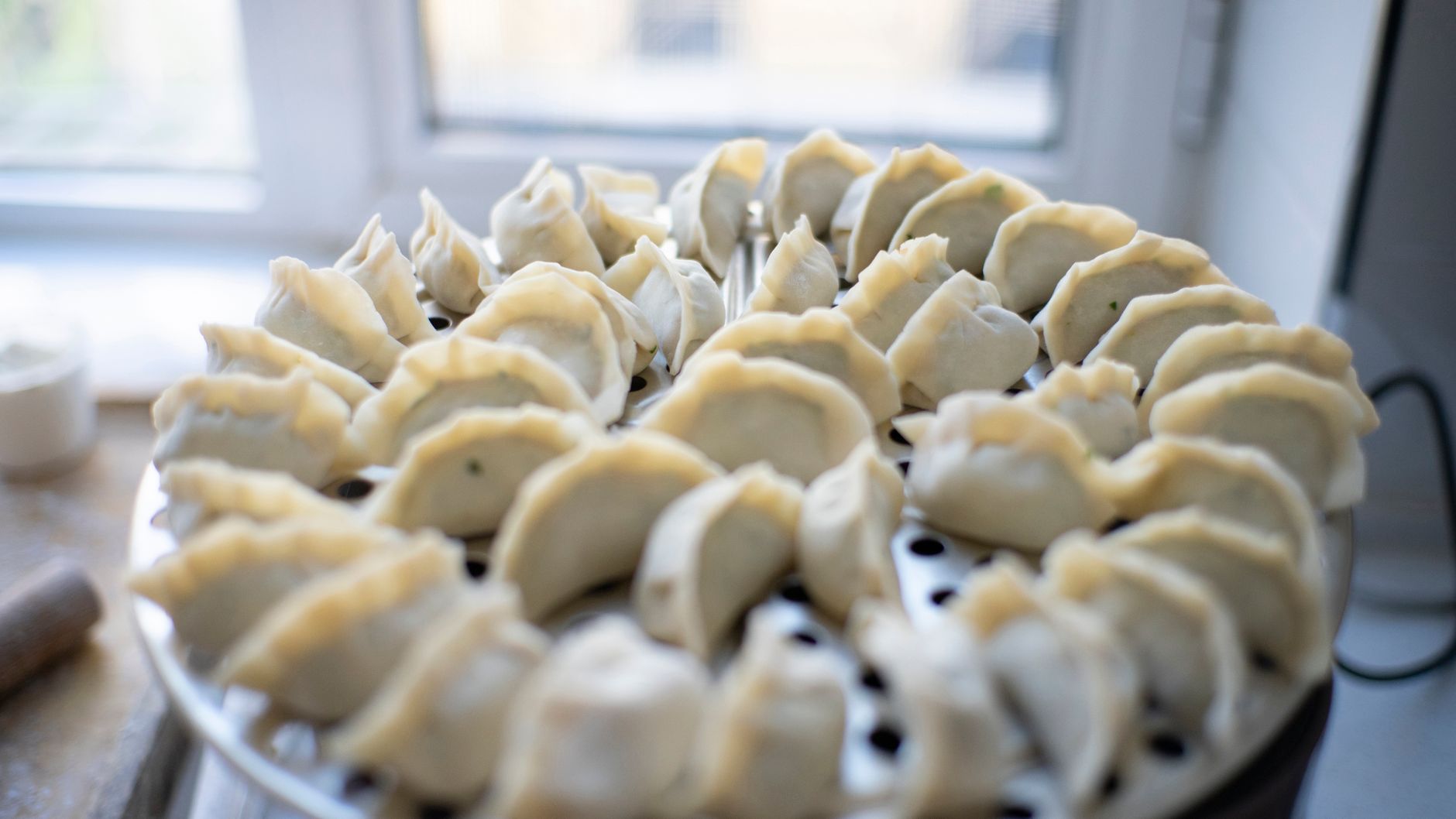
Ready to add a bit of flair? The pleated crescent is the next step up, especially for pan-fried dumplings. After adding filling and dampening the edge, fold the wrapper into a half-moon. Starting at one end, make small pleats along one side only, pressing each pleat into the flat edge. This creates a ruffled, crescent shape with a flat bottom—perfect for potstickers. The pleats add structure, help the dumpling stand in the pan, and look impressive even with minimal practice. This fold is forgiving and holds up well to both frying and steaming.
Pleated folds are not just for show. Each pleat helps create a stronger seal, reducing the risk of leaks during cooking. The pleats also allow for a bit more filling than the simple half-moon, and the extra thickness along the edge gives the dumpling a satisfying chew. For pan-frying, the flat bottom formed by the pleated crescent ensures maximum contact with the skillet, leading to that signature golden, crispy crust.
The Simple Triangle (For Square Wrappers)
If you’re using square wrappers, try the triangle fold. Place filling in the center, dampen the edges, and fold diagonally to create a triangle. Pinch the edges firmly, making sure no filling leaks out. For extra security, you can fold the two bottom corners together and pinch again, making a tortellini-like shape. This fold is handy for wontons and holds up well in soup or boiling water. As always, avoid overfilling, and keep your work surface and hands clean to prevent cross-contamination (see https://www.fda.gov/food/buy-store-serve-safe-food/food-safety-your-kitchen).
Triangle folds are especially useful for dumplings destined for soup, as their compact shape resists breaking apart in simmering broth. If you want to experiment, try twisting the ends of the triangle together to form a more decorative shape. Regardless of the fold, the principles of food safety apply: keep raw fillings chilled, and work quickly to minimize the time they spend at room temperature.
Sealing for Success: Water, Pressure, and Patience
A good seal is what prevents leaks and keeps dumplings intact. Use just enough water to moisten (not soak) the wrapper edge. Press firmly, especially at the corners and pleats. If you notice filling squeezing out, reduce the amount next time. If wrappers dry out before you finish folding, cover them with a damp towel. For food safety, avoid leaving raw dumplings at room temperature for more than two hours; refrigerate or freeze promptly if you’re not cooking them right away (see https://www.foodsafety.gov/keep-food-safe).
A few practical reminders:
Only moisten the edge of the wrapper, not the entire surface.
Press out any visible air pockets before sealing to avoid bursting during cooking.
If you’re new to folding, work in small batches to keep wrappers and filling fresh.
If you need to pause, cover both wrappers and finished dumplings with a damp towel or plastic wrap to prevent drying. Any dumplings that are not cooked immediately should be stored in the refrigerator if they contain perishable fillings. According to food safety guidelines, perishable foods should not be left out at room temperature for more than two hours, or one hour if the room is above 90°F.
Batching and Freezing: Tips for Home Cooks
Making dumplings in bulk? Place formed dumplings on a parchment-lined tray and freeze them in a single layer before transferring to a bag or container. This keeps them from sticking together and makes it easy to cook straight from frozen. When cooking frozen dumplings, don’t thaw—just add a few extra minutes to the cooking time. For leftovers, store cooked dumplings in the refrigerator and reheat to at least 165°F, according to the USDA’s guidelines (see https://www.fsis.usda.gov/food-safety/safe-food-handling-and-preparation/food-safety-basics/leftovers-and-food-safety and https://www.fsis.usda.gov/food-safety/safe-food-handling-and-preparation/food-safety-basics/safe-temperature-chart).
Proper storage is essential for both raw and cooked dumplings. If you’re planning to eat leftovers, refrigerate them within two hours of cooking. According to the USDA, cooked leftovers should be reheated to an internal temperature of at least 165°F to ensure safety. Use a food thermometer to check the temperature, especially if reheating in the microwave, where cold spots can occur. Dumplings stored in the refrigerator should be eaten within three to four days for best quality and safety. If you want to keep them longer, freezing is the best option. Label containers with the date so you can keep track of storage times.
Safe Handling and Kitchen Hygiene
Dumpling making is hands-on, which means good hygiene is non-negotiable. Wash hands thoroughly before and after handling raw ingredients. Clean and sanitize all surfaces and utensils that come into contact with raw meat, poultry, seafood, or eggs. Use separate cutting boards for raw proteins and vegetables to prevent cross-contamination. The FDA recommends washing hands with warm, soapy water for at least 20 seconds and cleaning kitchen surfaces with hot, soapy water after each use (see https://www.fda.gov/food/buy-store-serve-safe-food/food-safety-your-kitchen).
When working with dough and filling, keep a clean, damp towel handy to cover wrappers and finished dumplings. This helps prevent drying, which can make sealing difficult and lead to splits during cooking. If you’re interrupted or need to step away, refrigerate fillings and dumplings promptly. Following these habits not only keeps food safe but also makes the folding process smoother and less stressful.
Even seasoned cooks run into issues: wrappers tearing, dumplings bursting, or fillings leaking. If your wrappers are too dry, cover them or work faster. If they’re tearing, try using less filling or gentler pressure. If dumplings burst during cooking, make sure you’ve pressed out excess air and sealed all edges tightly. Remember, your first few dumplings may not look perfect, but they’ll still taste great.
A few more tips for common problems:
If wrappers stick to the work surface, use a light dusting of flour or cornstarch.
If the filling is too wet, drain off excess liquid or add a little cornstarch or breadcrumbs to absorb moisture.
For wrappers that keep splitting, check their thickness—store-bought wrappers can dry out quickly, so keep them covered.
Patience is key. Each batch offers a chance to refine your folding, sealing, and cooking techniques. Over time, your dumplings will become more uniform, and the process will feel less intimidating.
Expanding Your Dumpling Repertoire
Once you’re comfortable with the basics, try exploring dumpling traditions from other cultures. Many home cooks find inspiration in flatbreads and rice dishes, which often share similar folding or stuffing techniques. For a broader look at family-friendly dough and rice recipes, see /posts/flatbread-family-map-home-kitchen and /posts/rice-cooking-families-home-kitchen. Learning new folds is a hands-on way to connect with food culture and bring variety to your kitchen.
Experimenting with different fillings, shapes, and cooking methods can keep dumpling making fresh and engaging. Some cooks enjoy making large batches with friends or family, turning folding into a group activity. Others find satisfaction in mastering a single fold and refining it over time. No matter your approach, the combination of simple techniques and attention to food safety will help you create dumplings that are both delicious and dependable.
Charlotte Flynn writes FeedsAtlas guides to pantry staples and culinary traditions. The pieces map techniques and ingredients so home cooks can understand a method, not a restaurant visit.
Most home cooks have faced a pot of rice that’s gummy, scorched, or stubbornly crunchy. The root of the problem often lies in choosing the right rice method, knowing its quirks, and troubleshooting when things go sideways. Absorption, pilaf, and pasta-style cooking each fail in different ways. Match the method to the grain and the meal, then fix the usual mistakes instead of starting over.
Every home cook eventually faces the broth vs stock debate, especially when a recipe simply calls for 'chicken stock' or 'vegetable broth' and your pantry offers neither. Do the differences actually matter for a Tuesday night soup or a freezer stash of winter stews? Here’s a practical, myth-free look at what sets broth and stock apart, how to make each with what you have, and why you shouldn’t stress over labels—plus, essential food safety steps that keep your homemade liquids safe and delicious.
Standing at your kitchen counter, flour dusted across your hands, you might wonder: should you roll out a chewy naan, crisp up a tortilla, or try a simple skillet bread? Flatbreads are one of the world’s oldest, most adaptable staples, but deciding which home flatbread type to make—and how to make it safely and well—can feel like a leap into culinary geography. This practical guide charts a handful of classic flatbreads, with step-by-step advice for mixing, shaping, cooking, and storing, so you can confidently explore global traditions right at your own stove.
When the urge for dumplings strikes, home cooks face a crucial choice: reach for a packet of store-bought wrappers or make dough from scratch. Each path shapes the cooking experience and final result, from the texture of the dumpling skin to how it behaves under your fingertips. This practical editorial guides you through the trade-offs—speed, tradition, texture, and food safety—so you can confidently choose the right wrapper for your next batch, whether you’re folding for a family feast or a solo experiment.
You’re eyeing a pack of chicken thighs and a drawer of vegetables, but you want more than salt and oil. Yogurt marinade promises flavor and tenderness—but what goes in, how long is enough, and can you toss in your carrots and peppers too? This planning narrative lays out the evening step-by-step: prepping, marinating, food safety, and roasting, so you can confidently build a yogurt marinade for chicken and vegetables, adapting to what’s in your fridge. Along the way, you’ll learn how yogurt’s tangy base helps flavor and tenderness, how to handle produce and poultry together, and what to do with leftovers for safe, delicious results.
Every home cook eventually faces the question: which aromatic base should I use to jumpstart flavor—sofrito, mirepoix, or something else? Understanding the differences between these foundational mixes is not just about tradition, but about practical results in your pot. This article untangles the similarities and distinctions of sofrito vs mirepoix, explores their global cousins, and shows, step by step, how to build a versatile soup using whatever you have on hand—without sacrificing food safety or flavor.