When the urge for dumplings strikes, home cooks face a crucial choice: reach for a packet of store-bought wrappers or make dough from scratch. Each path shapes the cooking experience and final result, from the texture of the dumpling skin to how it behaves under your fingertips. This practical editorial guides you through the trade-offs—speed, tradition, texture, and food safety—so you can confidently choose the right wrapper for your next batch, whether you’re folding for a family feast or a solo experiment.
The Decision at the Counter: Convenience or Craft?
You’re standing in your kitchen with a bowl of seasoned filling—pork and chive, perhaps, or a vegan mixture of mushrooms and cabbage. The question arises: do you grab a packet of store-bought dumpling wrappers from the fridge, or dust your counter and start mixing flour and water? This isn’t just a matter of time; it’s about texture, tradition, and the kind of cooking experience you want. Choosing between dumpling wrappers homemade or store-bought shapes everything from folding technique to the final bite. Let’s break down the practical considerations, so you can decide what fits your kitchen and your mood.
Store-Bought Wrappers: Fast, Uniform, Ready for Anything
Store-bought dumpling wrappers are a staple for a reason. They’re reliably thin, evenly sized, and ready to use straight from the pack—no rolling pin required. This makes them invaluable for busy weeknights or when you’re new to folding dumplings. Their uniformity means you’ll get consistent results, especially if you’re aiming for neat crescent shapes or experimenting with different folds (see /posts/dumpling-fold-overview-home-cooks for ideas). If you’re cooking with a group, the predictability of store-bought wrappers keeps things flowing. Just remember: once opened, keep them covered with a damp towel to prevent drying out, and refrigerate or freeze any leftovers promptly to avoid the food safety “danger zone.” According to FoodSafety.gov, perishable foods should not be left out at room temperature for more than two hours, or one hour if the room is above 90°F. Always check the expiration date on the package and keep unused wrappers tightly sealed. For longer storage, freeze the wrappers in their original packaging or in a zip-top bag, squeezing out as much air as possible. When ready to use, thaw them overnight in the refrigerator or use the cold-water method: submerge the sealed package in cold water, changing the water every 30 minutes until thawed. Never thaw at room temperature, as this can allow bacteria to multiply (see USDA FSIS Big Thaw, https://www.fsis.usda.gov/food-safety/safe-food-handling-and-preparation/food-safety-basics/big-thaw-safe-defrosting-methods). If wrappers feel dry or brittle after thawing, wrap them in a damp towel for a few minutes to restore pliability.
Homemade Wrappers: Texture, Tradition, and Flexibility
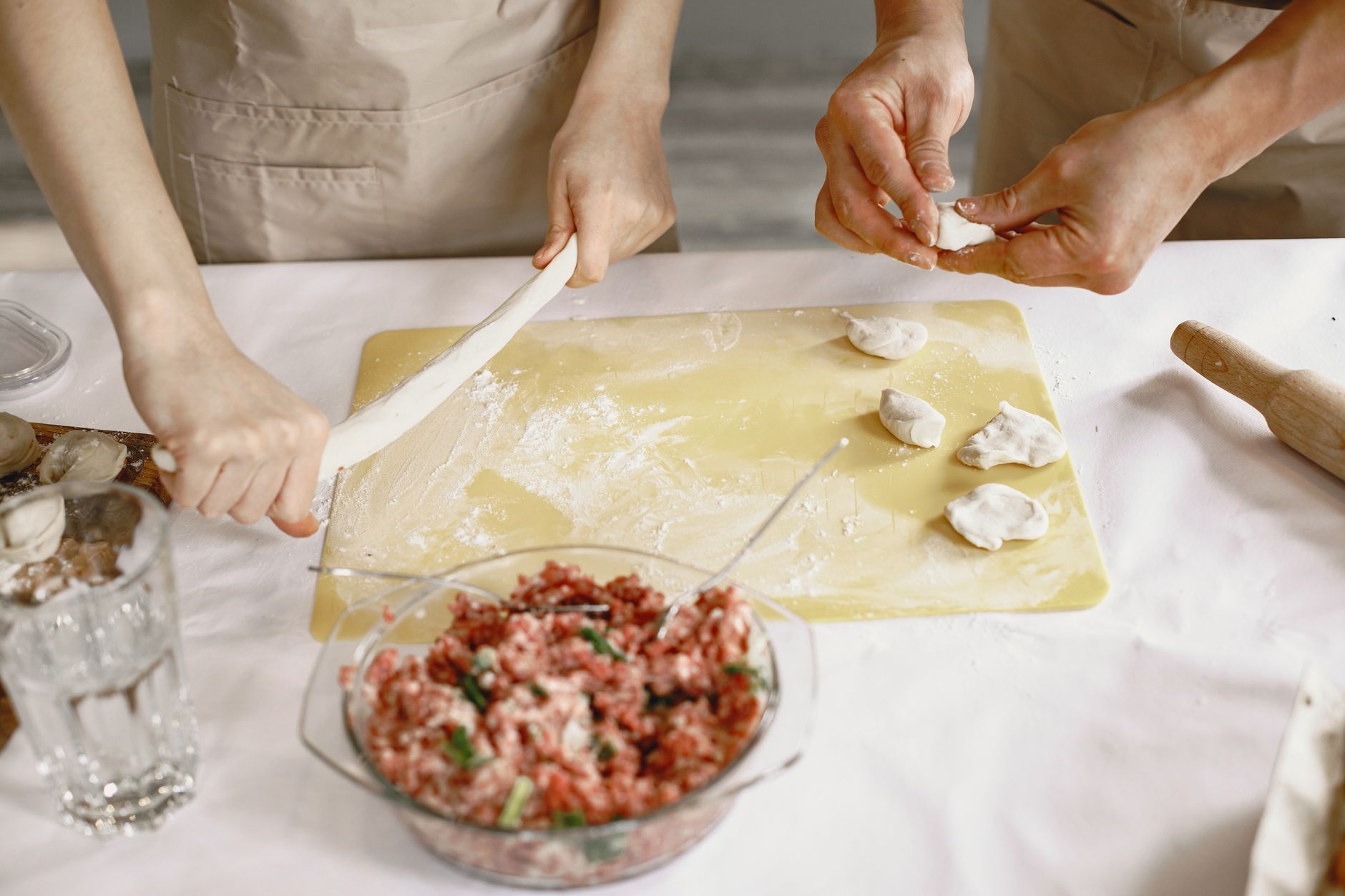
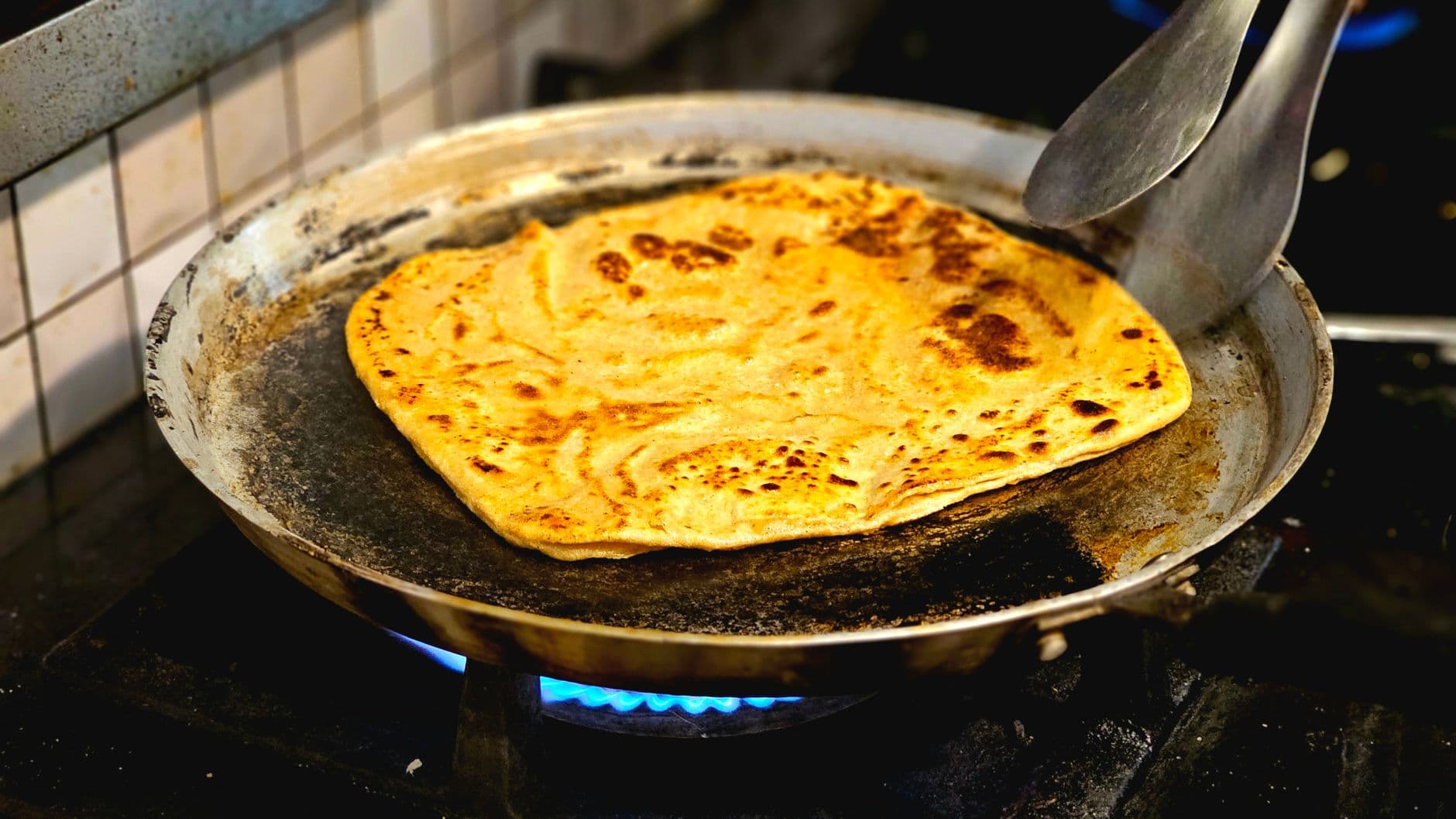
Making your own dumpling wrappers is a tactile, rewarding process. With just flour and water, you can mix, knead, and roll dough that’s softer and more elastic than most packaged versions. Homemade wrappers let you control thickness—thin for delicate steamed dumplings, or slightly thicker for pan-fried potstickers. They’re especially useful if you want to try regional shapes or sizes not available in stores (for example, larger wrappers for soup dumplings, or square ones for wontons). This flexibility also lets you experiment with alternative flours or add-ins, connecting your kitchen to wider flatbread and dumpling traditions (see /posts/flatbread-family-map-home-kitchen). The trade-off is time: rolling wrappers, even with a small dowel, takes patience and practice. To make a basic dough, combine all-purpose flour with water (hot water for a softer, more tender skin; cold for a chewier bite). Knead until smooth, let it rest for at least 30 minutes, then divide into small pieces and roll each into a thin round. Dust with flour or cornstarch to prevent sticking. Homemade wrappers are best used fresh, but can be stacked (with parchment between each) and frozen for later. When freezing, wrap tightly to avoid freezer burn. To thaw, use the refrigerator or cold-water method as with store-bought wrappers. Homemade dough is forgiving if you want to adjust hydration or thickness mid-batch, and can be tinted with natural colors—spinach for green, beet for pink, or turmeric for yellow.
Folding and Handling: What Each Wrapper Type Means
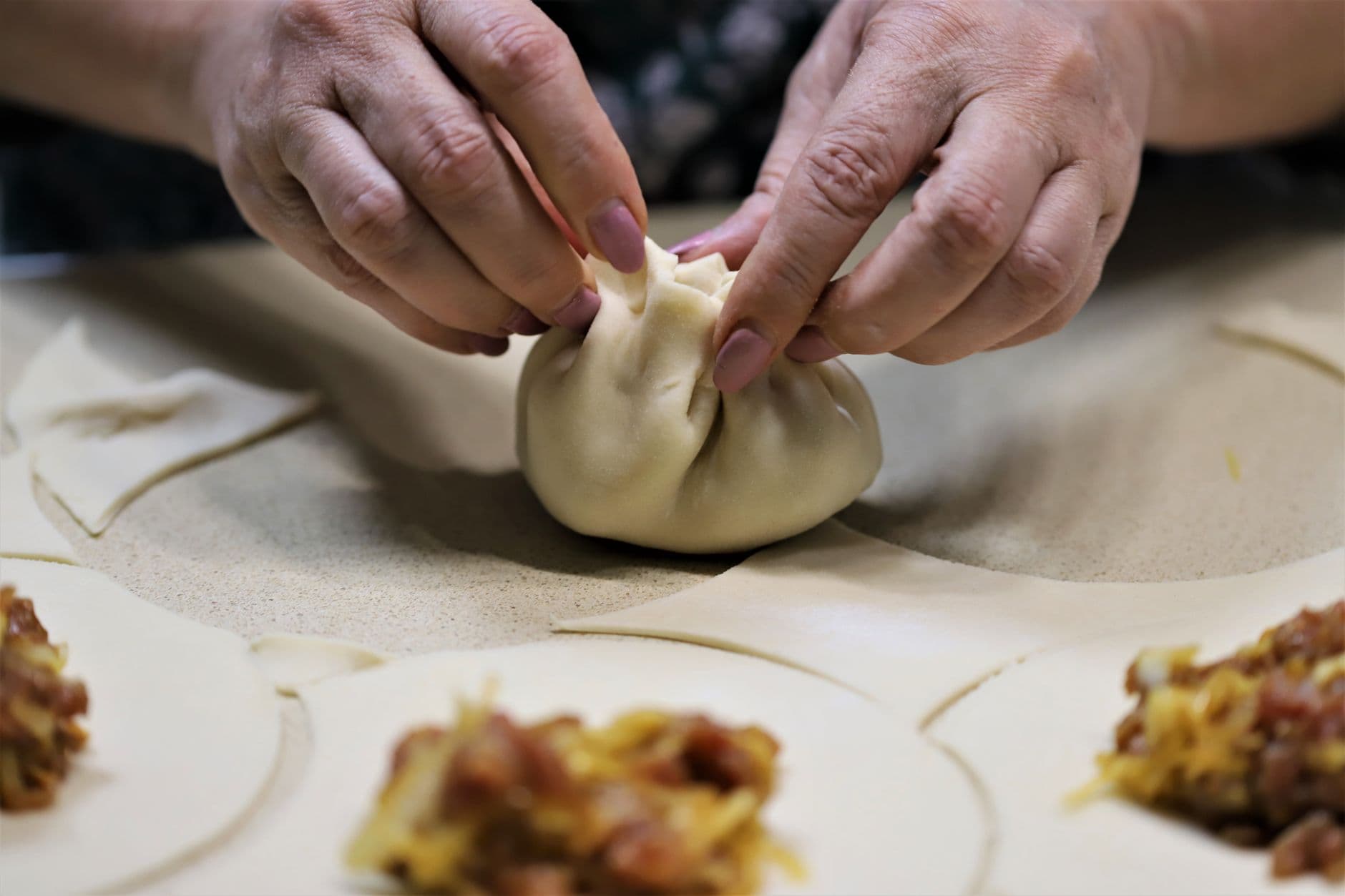
Store-bought wrappers are typically dusted with starch, making them less sticky and easier to separate. Their uniform size makes folding techniques more predictable, especially for beginners. Homemade wrappers, by contrast, are stickier and more pliable, which means they can handle more filling and seal tightly, but require a gentle touch to avoid tearing. If you’re learning classic pleats or creative folds, homemade dough will stretch with you—literally—but it’s less forgiving if you overfill or pinch too hard. For folding inspiration and troubleshooting, browse /posts/dumpling-fold-overview-home-cooks. When working with either type, keep unused wrappers covered with a damp towel. For store-bought, peel off only as many as you need at a time. For homemade, roll out a few rounds, fill and fold, then roll more as you go to prevent drying. If wrappers stick together, gently separate with the edge of a knife or your fingers, dusting lightly with flour if needed. When sealing, use water to moisten the edge—especially for store-bought wrappers, which can be dry around the rim. Homemade wrappers often seal with just a pinch, but a dab of water helps if the dough has dried slightly.
Cooking Methods: Steamed, Boiled, or Pan-Fried
The choice between dumpling wrappers homemade or store directly affects cooking. Store-bought wrappers, being thinner and drier, tend to cook quickly and are less likely to stick to each other or the pan if properly floured. They shine in potstickers or boiled dumplings, holding their shape well. Homemade wrappers, with their extra chew, are ideal for steamed buns or thicker jiaozi, and absorb flavors beautifully. Regardless of method, ensure any filling containing meat or poultry reaches the USDA-recommended safe internal temperature: 165°F (74°C) for ground meats and poultry, 160°F (71°C) for ground beef or pork, and 145°F (63°C) with a three-minute rest for whole cuts (see USDA FSIS Safe Temperature Chart, https://www.fsis.usda.gov/food-safety/safe-food-handling-and-preparation/food-safety-basics/safe-temperature-chart). Use a food thermometer inserted into the center of the thickest dumpling to check doneness. For steaming, line the steamer basket with parchment or cabbage leaves to prevent sticking. For boiling, stir gently after adding dumplings to keep them from clumping. For pan-frying, heat oil until shimmering, add dumplings flat side down, fry until golden, then add water and cover to steam-finish. Always avoid overcrowding the pan or steamer, as this can lead to uneven cooking.
Food Safety: Storage, Thawing, and Leftovers
Whether your wrappers are homemade or store-bought, food safety starts at the counter. Store unused wrappers in the refrigerator, tightly sealed, and use within a few days; freeze for longer storage, but thaw only in the refrigerator or using the USDA’s cold-water method (see USDA FSIS The Big Thaw, https://www.fsis.usda.gov/food-safety/safe-food-handling-and-preparation/food-safety-basics/big-thaw-safe-defrosting-methods). Homemade wrappers should be covered at all times to prevent drying and can be frozen in stacks, separated by parchment. Once dumplings are filled, cook or freeze them promptly—don’t let them linger at room temperature, as this invites bacterial growth (see FDA Food Safety in Your Kitchen, https://www.fda.gov/food/buy-store-serve-safe-food/food-safety-your-kitchen). Leftover cooked dumplings should be refrigerated within two hours and eaten within a few days, reheating thoroughly before serving (see USDA FSIS Leftovers, https://www.fsis.usda.gov/food-safety/safe-food-handling-and-preparation/food-safety-basics/leftovers-and-food-safety). When reheating, make sure the internal temperature reaches at least 165°F (74°C) to kill any bacteria. If freezing uncooked dumplings, arrange them on a tray in a single layer until solid, then transfer to a freezer bag. Label with the date, and use within two to three months for best quality (see FoodSafety.gov Cold Food Storage Charts, https://www.foodsafety.gov/food-safety-charts/cold-food-storage-charts). When ready to cook, add frozen dumplings directly to boiling water or a hot pan—no need to thaw. For leftovers, cool quickly and store in shallow containers. Avoid stacking hot dumplings, as this can trap heat and moisture, encouraging spoilage. If in doubt, discard any dumplings that smell off or show signs of mold.
Kitchen Cleanliness and Cross-Contamination
Safe dumpling making goes beyond storage and temperature. Keep your work area clean by wiping down counters before and after dough handling. Use separate cutting boards for raw meat fillings and vegetables to prevent cross-contamination, as recommended by the FDA (see FDA Food Safety in Your Kitchen, https://www.fda.gov/food/buy-store-serve-safe-food/food-safety-your-kitchen). Wash hands thoroughly with soap and water before and after handling raw ingredients, and clean utensils and mixing bowls between uses. If using a food processor or stand mixer for dough, wash all removable parts in hot, soapy water. Avoid using the same towel to cover both raw dough and cooked dumplings. When serving, use clean tongs or chopsticks to transfer cooked dumplings to plates. If making a large batch, consider working in stages: fill and cook a portion, then move on to the next, reducing the time any raw dumplings spend at room temperature. For dumpling parties, set up a clear workflow—one area for filling, one for folding, and one for cooking—to keep things organized and safe.
When to Choose Store-Bought: Practical Scenarios
Reach for store-bought wrappers when time is short, you’re cooking for a crowd, or you want to focus on fillings and folding technique. They’re the ultimate shortcut for dumpling parties or weeknight dinners. If you’re teaching kids to fold, their durability saves frustration. Store-bought is also the best bet when you need wrappers for a specific shape—like round for gyoza or square for wontons—and don’t want to fuss with rolling and cutting. For potlucks or gatherings where consistency and speed matter, the reliability of packaged wrappers keeps things moving. If you find yourself with leftover wrappers, use them for quick snacks: brush with oil, sprinkle with spices, and bake for crispy chips, or layer with cheese and bake for a fast appetizer.
When Homemade Shines: Special Occasions and Customization
Opt for homemade wrappers when you want to showcase tradition, connect with family recipes, or experiment with dough texture. The process is meditative, and the results—chewy, tender skins—are hard to replicate with packaged wrappers. If you’re exploring new fillings that need a particular thickness or want to dye dough with spinach or beet juice for color, homemade is the way to go. It’s also ideal if you can’t find wrappers locally or want to try a gluten-free or whole-wheat variation. For holidays or family gatherings, involving others in rolling and folding can turn dumpling making into a shared ritual. If you’re interested in regional specialties—like thicker northern-style wrappers or ultra-thin Cantonese skins—homemade dough lets you adjust to suit the filling and cooking method. For creative cooks, homemade wrappers are a blank canvas: add herbs, spices, or seeds to the dough for a unique twist.
Final Thoughts: Matching the Wrapper to the Moment
There’s no single answer to the dumpling wrappers homemade or store debate. Some days, convenience is king; on others, the ritual of mixing and rolling dough feels just right. Both approaches have a place in a home cook’s repertoire. The best choice is the one that fits your time, your tools, and your appetite for hands-on craft. Whichever you choose, the pleasure is in the making—and the eating. With careful attention to storage, handling, and food safety, any batch of dumplings can be both delicious and safe to share.
Charlotte Flynn writes FeedsAtlas guides to pantry staples and culinary traditions. The pieces map techniques and ingredients so home cooks can understand a method, not a restaurant visit.
Most home cooks have faced a pot of rice that’s gummy, scorched, or stubbornly crunchy. The root of the problem often lies in choosing the right rice method, knowing its quirks, and troubleshooting when things go sideways. Absorption, pilaf, and pasta-style cooking each fail in different ways. Match the method to the grain and the meal, then fix the usual mistakes instead of starting over.
Every home cook eventually faces the broth vs stock debate, especially when a recipe simply calls for 'chicken stock' or 'vegetable broth' and your pantry offers neither. Do the differences actually matter for a Tuesday night soup or a freezer stash of winter stews? Here’s a practical, myth-free look at what sets broth and stock apart, how to make each with what you have, and why you shouldn’t stress over labels—plus, essential food safety steps that keep your homemade liquids safe and delicious.
Standing at your kitchen counter, flour dusted across your hands, you might wonder: should you roll out a chewy naan, crisp up a tortilla, or try a simple skillet bread? Flatbreads are one of the world’s oldest, most adaptable staples, but deciding which home flatbread type to make—and how to make it safely and well—can feel like a leap into culinary geography. This practical guide charts a handful of classic flatbreads, with step-by-step advice for mixing, shaping, cooking, and storing, so you can confidently explore global traditions right at your own stove.
Dumpling fold techniques look intimidating for beginners, but a few simple, reliable folds can open up a world of homemade comfort food. This walkthrough covers the best starter folds, how to keep fillings safe and fresh, and why the right fold matters for steaming, boiling, or pan-frying. If you’ve ever wondered whether your dumplings will hold together, or how to avoid gummy bottoms and leaks, this guide helps you get hands-on without the overwhelm.
You’re eyeing a pack of chicken thighs and a drawer of vegetables, but you want more than salt and oil. Yogurt marinade promises flavor and tenderness—but what goes in, how long is enough, and can you toss in your carrots and peppers too? This planning narrative lays out the evening step-by-step: prepping, marinating, food safety, and roasting, so you can confidently build a yogurt marinade for chicken and vegetables, adapting to what’s in your fridge. Along the way, you’ll learn how yogurt’s tangy base helps flavor and tenderness, how to handle produce and poultry together, and what to do with leftovers for safe, delicious results.
Every home cook eventually faces the question: which aromatic base should I use to jumpstart flavor—sofrito, mirepoix, or something else? Understanding the differences between these foundational mixes is not just about tradition, but about practical results in your pot. This article untangles the similarities and distinctions of sofrito vs mirepoix, explores their global cousins, and shows, step by step, how to build a versatile soup using whatever you have on hand—without sacrificing food safety or flavor.