Sofrito, Mirepoix, and Their Cousins as a Starting Mix
Charlotte Flynn··11 min read
Every home cook eventually faces the question: which aromatic base should I use to jumpstart flavor—sofrito, mirepoix, or something else? Understanding the differences between these foundational mixes is not just about tradition, but about practical results in your pot. This article untangles the similarities and distinctions of sofrito vs mirepoix, explores their global cousins, and shows, step by step, how to build a versatile soup using whatever you have on hand—without sacrificing food safety or flavor.
The start of a soup or stew often begins with a question: what mix of vegetables will form the backbone of the dish? The answer is rarely dictated by strict rules, but by what’s available and the flavors desired. Aromatic bases like mirepoix and sofrito are not just traditions—they are practical tools for layering flavor. The choice between them, or their many global relatives, shapes the taste, color, and even the texture of the finished meal. Recognizing the differences and similarities among these bases helps cooks improvise, especially when ingredients are missing or time is short. The logic behind these mixes is rooted in coaxing sweetness, savoriness, and complexity from humble vegetables, setting up a dish for success from the very first step.
Decoding Sofrito vs Mirepoix
Mirepoix is the classic French trio: two parts onion, one part carrot, one part celery, gently cooked in fat. This combination forms the foundation of countless European soups, stocks, sauces, and braises. The vegetables are diced small and cooked slowly, releasing their moisture and natural sugars. The result is a mild, sweet, and balanced base that supports rather than dominates the final dish.
Sofrito, in contrast, is the name given to a family of aromatic bases found across Spain, Latin America, and the Caribbean. While recipes vary by region, a typical sofrito includes onion, garlic, and peppers—often green bell pepper or a local variety. In many versions, tomato is added, either fresh or as a paste, lending acidity and color. Sofrito is often cooked a bit longer than mirepoix, allowing the tomatoes to break down and the flavors to meld. The inclusion of garlic and peppers means sofrito tends to be bolder and more assertive than mirepoix, with a deeper color and a more pronounced savory aroma.
Both bases are sautéed to soften and sweeten the vegetables, but the key difference is the flavor profile: mirepoix is gentle and neutral, while sofrito is robust and aromatic. Understanding these differences allows for better improvisation and adaptation depending on what’s in the pantry or what flavor direction is desired.
Global Cousins: Soffritto, Holy Trinity, and More
While mirepoix and sofrito are the most well-known, nearly every cuisine has its own version of a vegetable flavor base. Italian soffritto closely resembles mirepoix but may include garlic and parsley, and is sometimes cooked in olive oil instead of butter. The Cajun and Creole "holy trinity" swaps out carrot for green bell pepper, resulting in a sharper, more vegetal base used in gumbo, jambalaya, and étouffée. In West African cooking, a blend of onions, tomatoes, and chili peppers forms the core of many stews and sauces, often cooked until deeply caramelized. Eastern European dishes might start with onions and carrots, sometimes with parsnip or celery root. Indian cuisine uses a base of onions, ginger, and garlic, often cooked until golden before spices are added.
The common thread is technique: chop vegetables small, sweat them in fat, and let slow cooking coax out sweetness and complexity. The precise mix is less important than the method and the intention—building layers of flavor from the bottom up. When an ingredient is missing, understanding the role it plays (sweetness, savoriness, herbal notes) makes substitution easier and more effective.
How to Prep Aromatics Safely and Efficiently
Proper preparation of aromatic vegetables is as much about safety as it is about flavor. All produce should be washed under running water before peeling or chopping, as recommended by the U.S. FDA. Even vegetables with skins or peels can harbor dirt and bacteria that transfer to the edible parts during cutting. Firm vegetables like carrots and celery benefit from a scrub with a clean brush, followed by drying with a paper towel.
Knives and cutting boards should be clean, and it’s important to keep raw meats separate from vegetables to prevent cross-contamination. If prepping a large batch for meal prep or batch cooking, consider prepping vegetables first, then moving on to proteins. After prepping, wash hands, knives, and cutting boards with hot, soapy water. For more on safe handling, see U.S. FDA, Selecting and Serving Produce Safely — https://www.fda.gov/food/buy-store-serve-safe-food/selecting-and-serving-produce-safely.
Technique: Building a Soup Base from Aromatic Mixes
The technique for building a soup or stew base from aromatics is straightforward, but attention to detail makes a difference:
1. Heat a tablespoon or two of oil or fat (olive oil, butter, or a blend) in a heavy-bottomed pot over medium heat. The type of fat can subtly influence the flavor—olive oil for Mediterranean dishes, butter for French, neutral oils for flexibility.
2. Add the chopped aromatics. For mirepoix, use onion, carrot, and celery. For sofrito, use onion, garlic, and bell pepper, with tomato added later if desired. Stir to coat the vegetables in fat, ensuring even cooking.
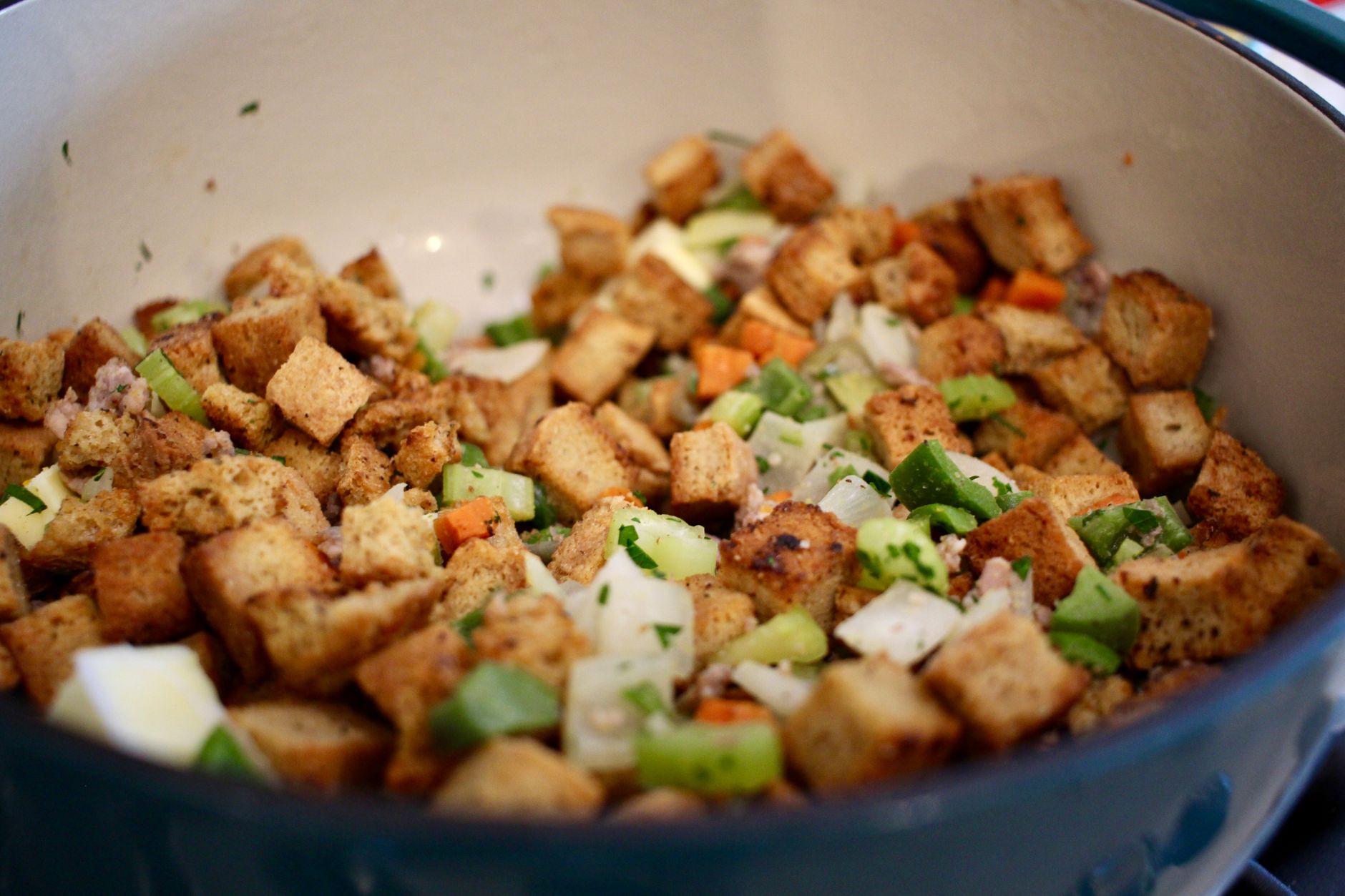
3. Cook gently, stirring occasionally, until the vegetables are soft but not browned. This usually takes 8–10 minutes. Browning can add depth, but for delicate soups or sauces, keeping the vegetables pale preserves their sweetness.
4. If tomato is part of the mix, add it after the initial vegetables have softened. Cook until most of the moisture evaporates and the tomato breaks down, concentrating its flavor.
5. Once the base is ready, proceed with the soup or stew by adding stock, water, beans, lentils, or other main ingredients. The aromatic base will infuse the entire dish with flavor from the start.
This method is endlessly adaptable, allowing for substitutions based on what’s available or what flavors are desired.
Consider a scenario where the refrigerator yields a limp carrot, half an onion, and a bell pepper. Rather than seeing this as a limitation, use it as an opportunity to build a flexible, flavorful soup base.
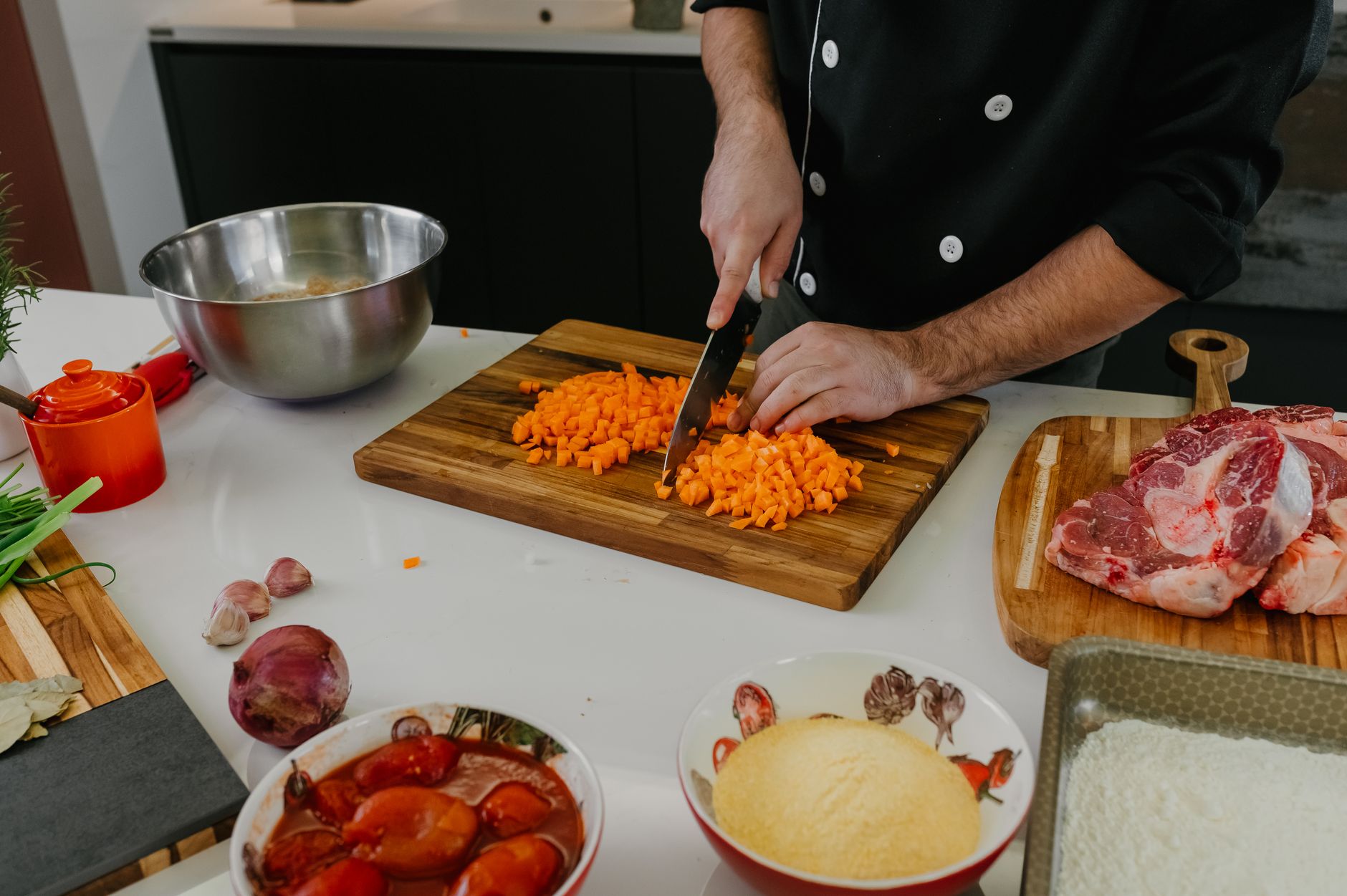
Begin by washing all vegetables thoroughly under running water. If the carrot is especially dirty or has a tough skin, peel it. Dice the vegetables into pieces of roughly equal size, about 1/4 inch, for even cooking.
Place a large pot over medium heat and add 2 tablespoons of olive oil. Once the oil shimmers, add the diced onion and carrot. Stir to coat the vegetables in oil, then let them cook for 2–3 minutes, until the onion begins to soften.
Add the diced bell pepper. Continue cooking, stirring occasionally, until all the vegetables are soft but not browned—about 8–10 minutes total. If garlic is available, mince a clove and add it in the last 2 minutes of cooking to prevent burning.
For additional depth, stir in a tablespoon of tomato paste or a chopped fresh tomato. Cook until the tomato breaks down and the mixture is thickened, another 2–3 minutes.
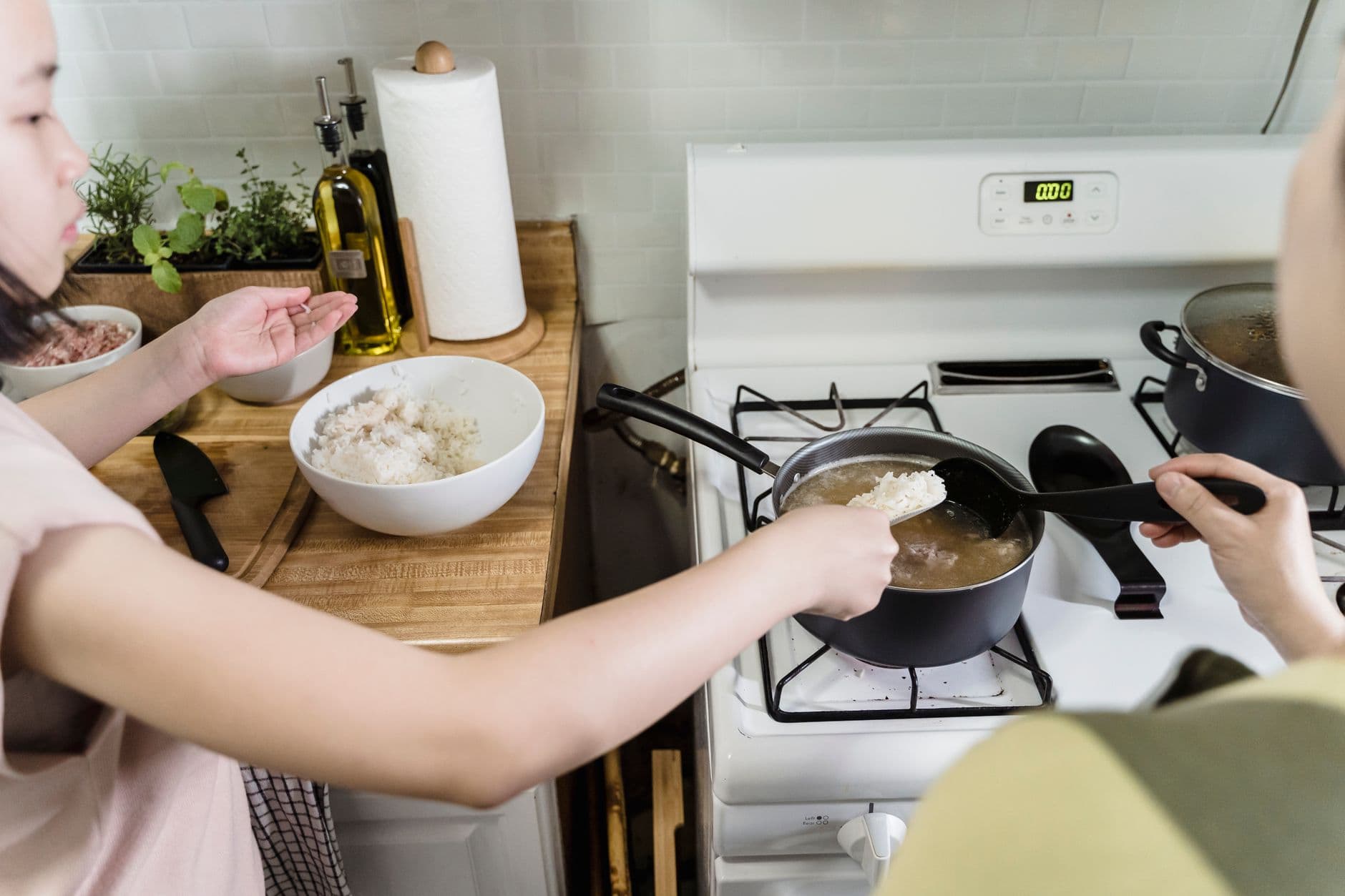
Pour in water or stock—enough to cover the vegetables by about an inch. Bring to a gentle simmer. At this point, add any other ingredients on hand: a can of drained beans, chopped greens, leftover cooked grains, or small pasta. Simmer until everything is heated through and flavors meld, 10–20 minutes depending on the additions.
Taste and adjust seasoning with salt, pepper, or herbs. Ladle into bowls and serve hot.
This approach demonstrates the flexibility of aromatic bases: the method works whether the starting mix leans toward mirepoix, sofrito, or another tradition. The key is sweating the vegetables gently to extract maximum flavor before adding liquid. This basic technique can be scaled up for meal prep or adapted for different cuisines by changing the aromatics or spices.
Food Safety: Cooking, Cooling, and Storing Leftovers
Safe handling of leftovers is crucial for both flavor and health. Once soup or stew is finished, begin cooling leftovers as soon as possible. Divide large batches into shallow containers to speed cooling, and refrigerate within two hours of cooking. According to the USDA Food Safety and Inspection Service, leftovers should be stored at or below 40°F (4°C) and eaten within 3–4 days.
When reheating, bring the soup to a full boil or heat until it reaches an internal temperature of 165°F (74°C) throughout. This ensures that any bacteria that may have grown during storage are destroyed. If reheating in the microwave, stir the soup partway through to ensure even heating. Never leave cooked foods at room temperature for extended periods, as bacteria multiply rapidly in the "danger zone" between 40°F and 140°F.
For more detailed food safety guidance, see USDA FSIS, Leftovers and Food Safety — https://www.fsis.usda.gov/food-safety/safe-food-handling-and-preparation/food-safety-basics/leftovers-and-food-safety.
Adapting the Base: Practical Substitutions
Aromatic bases are forgiving, and substitutions are often necessary. If celery is missing, try using fennel stalks, celeriac, or even a bit of green apple for a similar herbal note. No bell pepper? Substitute with poblano, Anaheim, or a mild chili for a different but still vibrant flavor. If garlic is unavailable, a pinch of ground cumin, a bit of leek, or even a small shallot can add depth. The main principle is to start with vegetables that bring sweetness, savoriness, or herbal freshness, and sweat them gently in fat to unlock their flavors.
The flexibility of these bases is what makes them so useful for improvisational cooking. Understanding the role each vegetable plays—sweetness from carrots, herbal notes from celery or parsley, savoriness from onions—makes it easier to adapt to what’s on hand. This approach encourages creativity and reduces food waste, allowing cooks to make the most of what’s available without sacrificing flavor.
While soups and stews are the most common destinations for aromatic bases, their utility extends much further. These mixes can be used as the starting point for sauces, braises, risottos, and even some casseroles. For example, a tomato-rich sofrito forms the backbone of Spanish paella, while a deeply caramelized mirepoix is essential for classic French beef bourguignon. In rice dishes, sweating aromatics before adding the grains infuses the entire pot with flavor.
Aromatic bases can also be made in advance and frozen in small portions, ready to drop into a weeknight meal for a head start on flavor. This is especially useful for busy schedules or for using up vegetables before they spoil. Simply cook the base as usual, cool quickly, and freeze in ice cube trays or small containers. When needed, pop a cube into a skillet or pot to jumpstart a sauce, soup, or sauté.
Conclusion: Building Flavor, Not Rules
The choice between sofrito vs mirepoix is less about strict adherence to tradition and more about understanding the logic behind each mix. By learning the purpose of each ingredient, smarter substitutions and improvisations become possible, making the most of what’s in the fridge and reducing waste. The result is a more resilient, flavorful approach to home cooking—one that works on a busy weeknight or when exploring culinary traditions. The technique of sweating aromatics in fat is a foundation for countless dishes, providing both flexibility and depth of flavor. With a grasp of these basics, cooks are equipped to build flavor from the ground up, no matter what ingredients are on hand.
Charlotte Flynn writes FeedsAtlas guides to pantry staples and culinary traditions. The pieces map techniques and ingredients so home cooks can understand a method, not a restaurant visit.
Most home cooks have faced a pot of rice that’s gummy, scorched, or stubbornly crunchy. The root of the problem often lies in choosing the right rice method, knowing its quirks, and troubleshooting when things go sideways. Absorption, pilaf, and pasta-style cooking each fail in different ways. Match the method to the grain and the meal, then fix the usual mistakes instead of starting over.
Every home cook eventually faces the broth vs stock debate, especially when a recipe simply calls for 'chicken stock' or 'vegetable broth' and your pantry offers neither. Do the differences actually matter for a Tuesday night soup or a freezer stash of winter stews? Here’s a practical, myth-free look at what sets broth and stock apart, how to make each with what you have, and why you shouldn’t stress over labels—plus, essential food safety steps that keep your homemade liquids safe and delicious.
Standing at your kitchen counter, flour dusted across your hands, you might wonder: should you roll out a chewy naan, crisp up a tortilla, or try a simple skillet bread? Flatbreads are one of the world’s oldest, most adaptable staples, but deciding which home flatbread type to make—and how to make it safely and well—can feel like a leap into culinary geography. This practical guide charts a handful of classic flatbreads, with step-by-step advice for mixing, shaping, cooking, and storing, so you can confidently explore global traditions right at your own stove.
Dumpling fold techniques look intimidating for beginners, but a few simple, reliable folds can open up a world of homemade comfort food. This walkthrough covers the best starter folds, how to keep fillings safe and fresh, and why the right fold matters for steaming, boiling, or pan-frying. If you’ve ever wondered whether your dumplings will hold together, or how to avoid gummy bottoms and leaks, this guide helps you get hands-on without the overwhelm.
When the urge for dumplings strikes, home cooks face a crucial choice: reach for a packet of store-bought wrappers or make dough from scratch. Each path shapes the cooking experience and final result, from the texture of the dumpling skin to how it behaves under your fingertips. This practical editorial guides you through the trade-offs—speed, tradition, texture, and food safety—so you can confidently choose the right wrapper for your next batch, whether you’re folding for a family feast or a solo experiment.
You’re eyeing a pack of chicken thighs and a drawer of vegetables, but you want more than salt and oil. Yogurt marinade promises flavor and tenderness—but what goes in, how long is enough, and can you toss in your carrots and peppers too? This planning narrative lays out the evening step-by-step: prepping, marinating, food safety, and roasting, so you can confidently build a yogurt marinade for chicken and vegetables, adapting to what’s in your fridge. Along the way, you’ll learn how yogurt’s tangy base helps flavor and tenderness, how to handle produce and poultry together, and what to do with leftovers for safe, delicious results.