Health
Ultimate Guide to Shoulder Treatment: Techniques for Strengthening and Healing
Olivia Grayson5 min read
Shoulder injuries can be debilitating, affecting everyday activities and overall quality of life. This ultimate guide explores effective techniques for treating, strengthening, and healing shoulder issues, ensuring you can move comfortably and regain your strength.
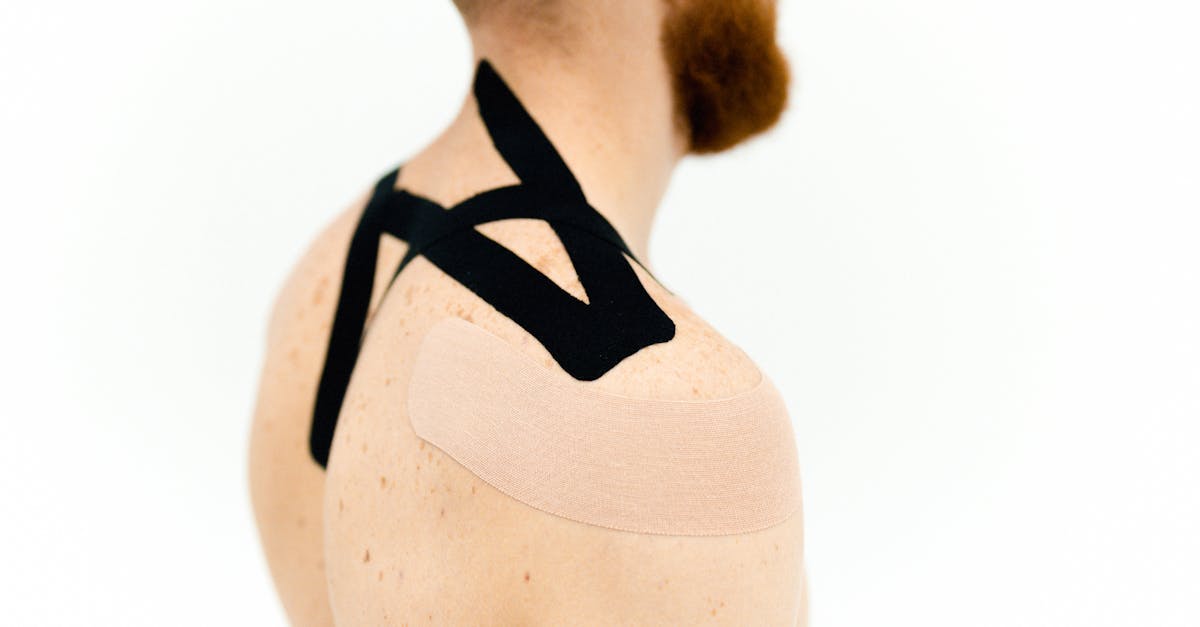
Understanding Shoulder Anatomy
The shoulder is one of the most complex joints in the human body, consisting of bones, muscles, tendons, and ligaments that work together to provide a wide range of motion. The key components include the humerus, scapula, and clavicle. Understanding the anatomy of the shoulder is essential for diagnosing injuries and determining the appropriate treatment methods. Common shoulder injuries include rotator cuff tears, tendinitis, and impingement syndrome, which can result from repetitive overhead movements or trauma. This foundational knowledge is crucial for anyone dealing with shoulder pain, as it guides the choice of treatment techniques and rehabilitation strategies aimed at restoring mobility and reducing discomfort.
Effective Treatment Techniques
There are various treatment techniques available for shoulder injuries, each tailored to specific conditions. Physical therapy is often the first line of defense, utilizing exercises that focus on strengthening the rotator cuff and improving mobility. Manual therapy techniques, such as joint mobilization and soft tissue manipulation, can relieve pain and tension in the shoulder region. Additionally, modalities like heat, ice, or electrical stimulation can aid recovery. For more severe injuries, medical interventions such as corticosteroid injections or surgical procedures may be necessary. Identifying the right combination of treatments is key to an effective recovery strategy, so consulting with a healthcare professional is highly recommended.
Rehabilitation and Strengthening Exercises
Rehabilitation plays a crucial role in recovering from shoulder injuries, emphasizing both strength recovery and prevention of future problems. A carefully designed exercise program should start with gentle range-of-motion exercises to maintain flexibility without straining the shoulder. As healing progresses, strengthening exercises focusing on the rotator cuff and scapular stability must be introduced. Such exercises may include internal and external rotations, shoulder blade squeezes, and resistance band workouts. It’s important to incorporate functional movements that mimic daily activities to ensure the shoulder can handle common tasks post-recovery. Consulting with a physical therapist can help create a personalized plan tailored to the injury and recovery goals.
Conclusion
Repairing and strengthening the shoulder is a multifaceted process requiring patience and dedication. By understanding the anatomy, employing effective treatment techniques, and committing to a tailored rehabilitation program, you can achieve significant improvements. Remember, early intervention and a guided approach are key to successfully overcoming shoulder injuries and returning to an active lifestyle.
Article information
Published
OG
Olivia Grayson
Author
This information is general and is not a substitute for professional advice for your specific situation.