Every home cook eventually faces the canned vs fresh tomatoes dilemma. Whether you’re simmering a sauce or topping a pizza, the decision isn’t just about flavor—it’s about practicality, safety, and the way tomatoes transform in heat. This article walks through the real-world factors that tip the scales in favor of canned tomatoes, and when fresh truly shines, all grounded in the needs and rhythms of a home kitchen.
Standing in the kitchen, you pull out a recipe—red sauce, chili, or maybe a quick shakshuka. The ingredient list says tomatoes, but doesn’t specify: canned or fresh? In practice, the choice hinges on more than seasonality or tradition. The consistency, cooking time, and even food safety concerns all play a role. With tomatoes, the right decision depends on how you want them to behave in your dish. For many home cooks, this isn’t a matter of culinary snobbery, but a question of what delivers the best results with the least fuss, especially on a weeknight. The tomato question is really about what you want from the ingredient: are you looking for a sauce that simmers into velvet, or a salad that bursts with juiciness? The answer is rarely as simple as “fresh is always better.”
Canned Tomatoes: Pantry Workhorse
Canned tomatoes offer consistency that fresh produce can’t always guarantee. Picked at peak ripeness and processed within hours, canned varieties are reliably sweet and tangy, with a texture that holds up in long-braised sauces and stews. This means when you reach for a can, you know exactly what you’re getting—no mealy surprises or flavorless wedges. In the heart of winter, when fresh tomatoes are pale and watery, canned tomatoes can be the difference between a sauce that sings and one that falls flat. Their long shelf life also means you can stock up without worrying about spoilage, a boon for impromptu meals or pantry-driven cooking.
Canned tomatoes also come in a range of styles—whole, diced, crushed, fire-roasted, and pureed—each suited to different kitchen needs. Whole peeled tomatoes can be broken up by hand for rustic sauces, while crushed tomatoes are ready to pour straight into a pot. The ability to reach for a can and know exactly what you’ll get, regardless of the season or the state of the produce aisle, is a quiet superpower in the home kitchen. This predictability is especially valuable when following recipes that rely on specific textures or flavors, such as classic Italian-American red sauce or a hearty minestrone.
Canned tomatoes are also a budget-friendly staple. They allow for batch cooking, meal prep, and stretching a dollar on nights when you need to feed a crowd. With a few cans on hand, a simple pantry pasta or a big pot of chili is never more than 30 minutes away.
Fresh Tomatoes: When Do They Win?
Fresh tomatoes are unbeatable when the dish calls for their raw, juicy quality—think caprese salad, bruschetta, or a quick pico de gallo. Their vibrant acidity and variable textures add life to uncooked applications. But even in cooked dishes, fresh tomatoes have their place, especially in summer when local varieties burst with flavor. If the recipe highlights the tomato itself—sliced for a sandwich or layered in a tart—fresh is the way to go. However, off-season supermarket tomatoes often lack the concentrated flavor that canned tomatoes deliver in cooked preparations.
The best fresh tomatoes are those that have never seen the inside of a refrigerator and are grown close to home. Heirlooms, cherry, and plum tomatoes each bring their own textures and flavor notes, making them ideal for dishes that require nuance and brightness. In peak season, a simple tomato salad dressed with olive oil and salt can outshine any cooked sauce. But for most of the year, the reality is that fresh tomatoes in the grocery store are bred for durability, not flavor, and may disappoint when cooked down into sauces.
Texture and Cooking Time: The Real Divide
When making a tomato sauce, the difference in water content and structure between canned and fresh tomatoes shows up fast. Canned tomatoes break down quickly and create a thick, velvety sauce without much coaxing. Fresh tomatoes, with their higher water content, can take longer to cook down and might require extra simmering to avoid a watery result. For deeply savory ragù or chili, canned tomatoes offer a shortcut to the rich, concentrated flavor you’re after. If you’re after a chunky, fresh-tasting sauce, using peak-season fresh tomatoes can be worth the extra effort, but for most cooked dishes, canned tomatoes are simply more practical.
The structure of canned tomatoes is often reinforced with calcium chloride, which helps them hold their shape during processing and cooking. This means diced canned tomatoes will stay chunky in a stew, while fresh tomatoes may dissolve. For dishes where texture matters—chunky pasta sauces, curries, or tomato-based soups—canned tomatoes offer control and reliability. On the other hand, fresh tomatoes can bring a lighter, more delicate texture to quick sautés or skillet dishes, but only if they’re truly ripe and flavorful.
Canned tomatoes are usually processed with a bit of salt and sometimes calcium chloride to maintain texture. This means their flavor is more consistent, and the salt can actually help season your dish from the start. Fresh tomatoes, especially in summer, offer a brighter, more complex flavor profile, but only if you can source good ones. In winter, the balance often tips toward the deep, mellow flavor that comes from a can. If you want to boost the flavor of canned tomatoes, sautéing them with aromatics—think onions, garlic, or even a touch of homemade sofrito—can add depth and complexity.
The flavor of canned tomatoes is concentrated by the heat of processing, which brings out their natural sweetness and umami. This makes them ideal for recipes where tomatoes need to stand up to long cooking times and bold spices. Fresh tomatoes, by contrast, can taste grassy or bland if picked before fully ripe. When tomatoes are the star of a dish, the difference between a sun-warmed heirloom and a cold-storage supermarket tomato is stark. But for most cooked applications, the robust, cooked-down flavor of canned tomatoes is hard to beat.
Food Safety: Handling and Storage
Canned tomatoes are shelf-stable until opened, making them a safer bet for long-term storage. Once opened, they should be transferred to a non-metal, airtight container and refrigerated, where they’ll keep for several days. Fresh tomatoes, on the other hand, should be stored at room temperature until ripe, then refrigerated if needed, but eaten soon for best quality. When using leftover tomato-based dishes, the USDA recommends refrigerating within two hours and reheating to at least 165°F (74°C) to ensure safety. For more on safe storage and reheating, see USDA FSIS, Leftovers and Food Safety (https://www.fsis.usda.gov/food-safety/safe-food-handling-and-preparation/food-safety-basics/leftovers-and-food-safety).
Food safety in the kitchen extends beyond just tomatoes. According to FoodSafety.gov and the FDA, clean hands, sanitized surfaces, and proper separation of raw and cooked foods are essential to prevent cross-contamination. When prepping tomatoes—canned or fresh—use a clean cutting board and knife, and avoid letting juices drip onto ready-to-eat foods. For leftovers, the USDA recommends dividing large batches into shallow containers for faster cooling, and using refrigerated leftovers within 3-4 days. If in doubt, check the USDA’s cold food storage charts for guidance on safe storage times (https://www.foodsafety.gov/food-safety-charts/cold-food-storage-charts).
Kitchen Logistics: Practicality and Waste
Canned tomatoes offer a level of practicality that’s hard to match. They can be portioned out as needed, and any unused portion can be stored safely in the fridge for several days. Because they’re processed at high temperatures, canned tomatoes are free from pathogens and spoilage organisms until opened, making them a low-risk pantry staple. This is especially useful for small households or anyone who cooks in batches and relies on leftovers.
Fresh tomatoes, in contrast, are more perishable and prone to bruising or mold if not used promptly. Buying them in bulk can lead to waste if they aren’t used quickly, especially in climates or seasons where tomatoes ripen unevenly. The ability to grab a can and know it’s ready to use—no peeling, seeding, or chopping required—can save time and reduce food waste. For those who value efficiency and minimal cleanup, canned tomatoes are a practical solution.
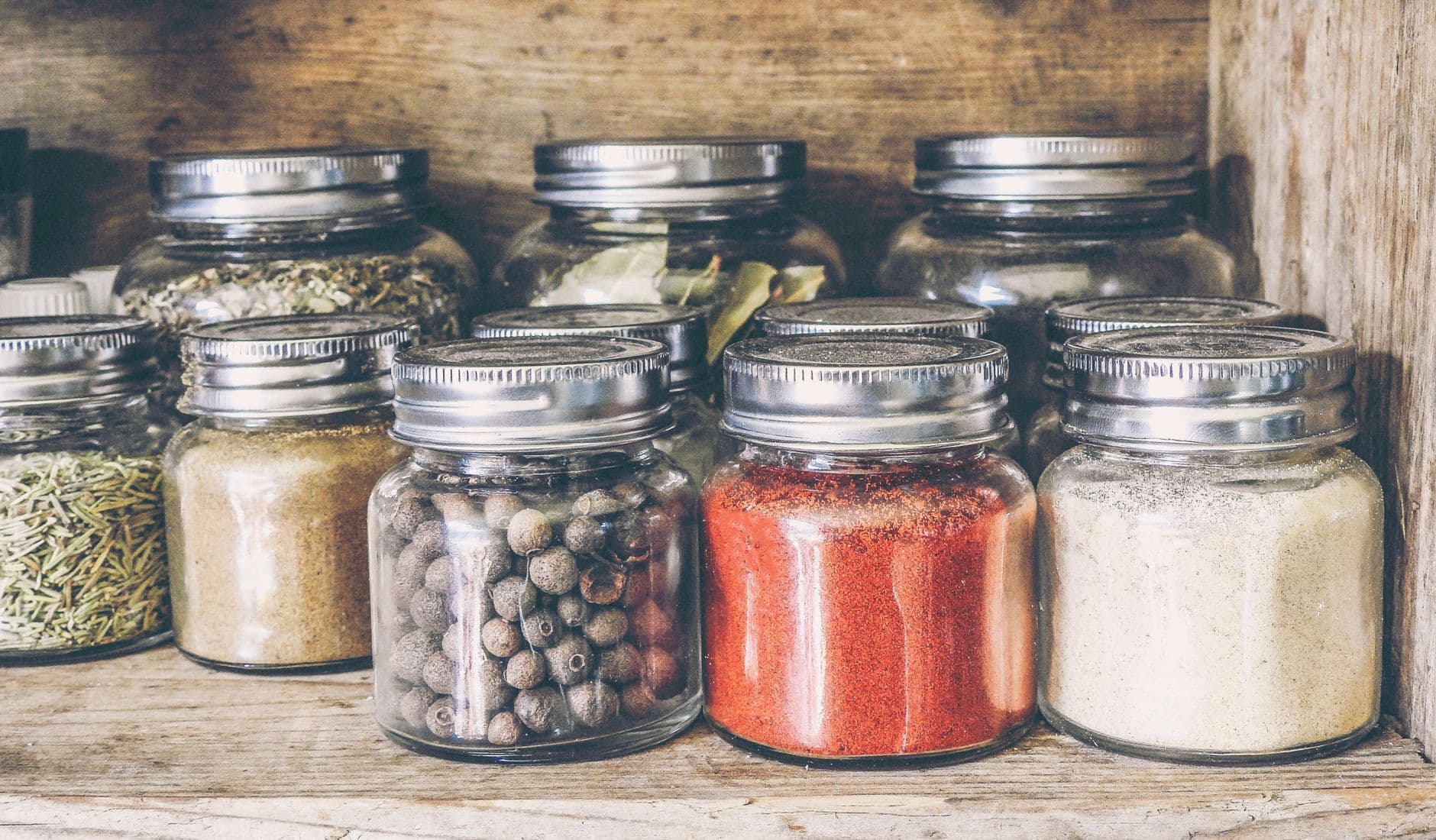
Having a few cans of whole, crushed, or diced tomatoes in your pantry is like keeping a culinary safety net. They’re the backbone of countless quick meals, from soups to curries. If you’re aiming to refresh your pantry without waste, consider reviewing your spice and staple rotation as well—see /posts/spice-jar-refresh-without-waste for practical tips. Fresh tomatoes, meanwhile, are best bought in small quantities and used promptly, especially if you’re shopping out of season.
A well-stocked pantry with a variety of canned tomato products can help bridge the gap between seasons and ensure that you’re never far from a satisfying meal. When shopping, check expiration dates and rotate older cans to the front. For fresh tomatoes, prioritize quality over quantity—buy what you’ll use in a few days, and store them stem-side down at room temperature to prolong their shelf life.
Making the Call: Which Tomato, Which Dish?
For long-cooked sauces, stews, and braises, canned tomatoes almost always win out for consistency and depth.
For raw or barely cooked preparations, or when tomatoes are the main event, fresh is best—if you can get good ones.
For pizza, both can work, but canned tomatoes (often strained or crushed) are a pizzeria staple for a reason.
Ultimately, the best answer to canned vs fresh tomatoes is that each has its place. Knowing when to reach for which is the mark of a confident home cook. If you’re improvising or cooking out of season, canned tomatoes are your friend. When the market is overflowing with ripe, scented tomatoes, seize the moment and go fresh.
The most important takeaway is flexibility. The best cooks adapt to what’s available, what’s in season, and what fits their schedule. Canned tomatoes are a practical, safe, and delicious option for the vast majority of cooked dishes. Fresh tomatoes, at their peak, are irreplaceable in raw preparations and simple summer recipes. The choice isn’t about right or wrong—it’s about what works best for your kitchen, your time, and your taste.
Charlotte Flynn writes FeedsAtlas guides to pantry staples and culinary traditions. The pieces map techniques and ingredients so home cooks can understand a method, not a restaurant visit.
You’re standing at your stove, pan heating up, and suddenly your oil starts smoking—long before your vegetables hit the skillet. The internet is full of charts and rules about cooking oil smoke point, but most home cooks don’t need a chemistry degree to avoid burnt oil or bitter flavors. Instead, let’s troubleshoot the real failure modes you’ll encounter, cut through the hype, and help you make practical oil choices for everyday home cooking.
Stale, faded spices are a quiet culprit behind lackluster home cooking, but dumping every jar after the 'best by' date is wasteful and expensive. This troubleshooting guide untangles when to keep, toss, or revive what’s on your shelf—so you can refresh your spice jars for peak flavor without unnecessary waste. From easy sniff tests to strategies for using up older spices, we’ll help you make the most of every pinch, safely and sensibly.
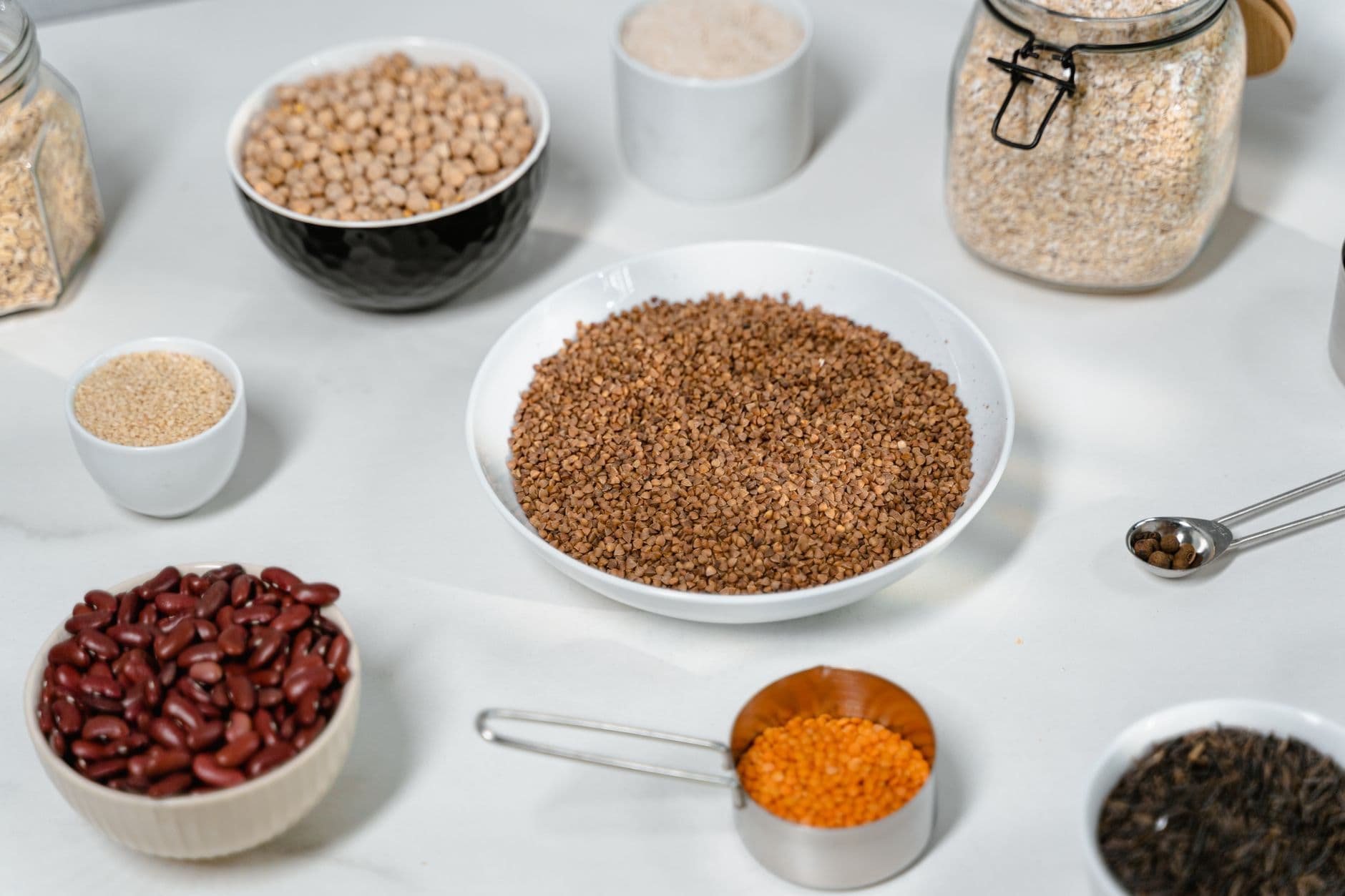
Staring at a bag of dried beans, you might wonder: Do I really need to soak these, or can I just cook them straight from the pantry? The answer can shape your dinner timeline, the texture of your beans, and even how you store leftovers. Here’s a practical guide to when soaking matters, when it doesn’t, and how to keep food safety and flavor in mind at every step.
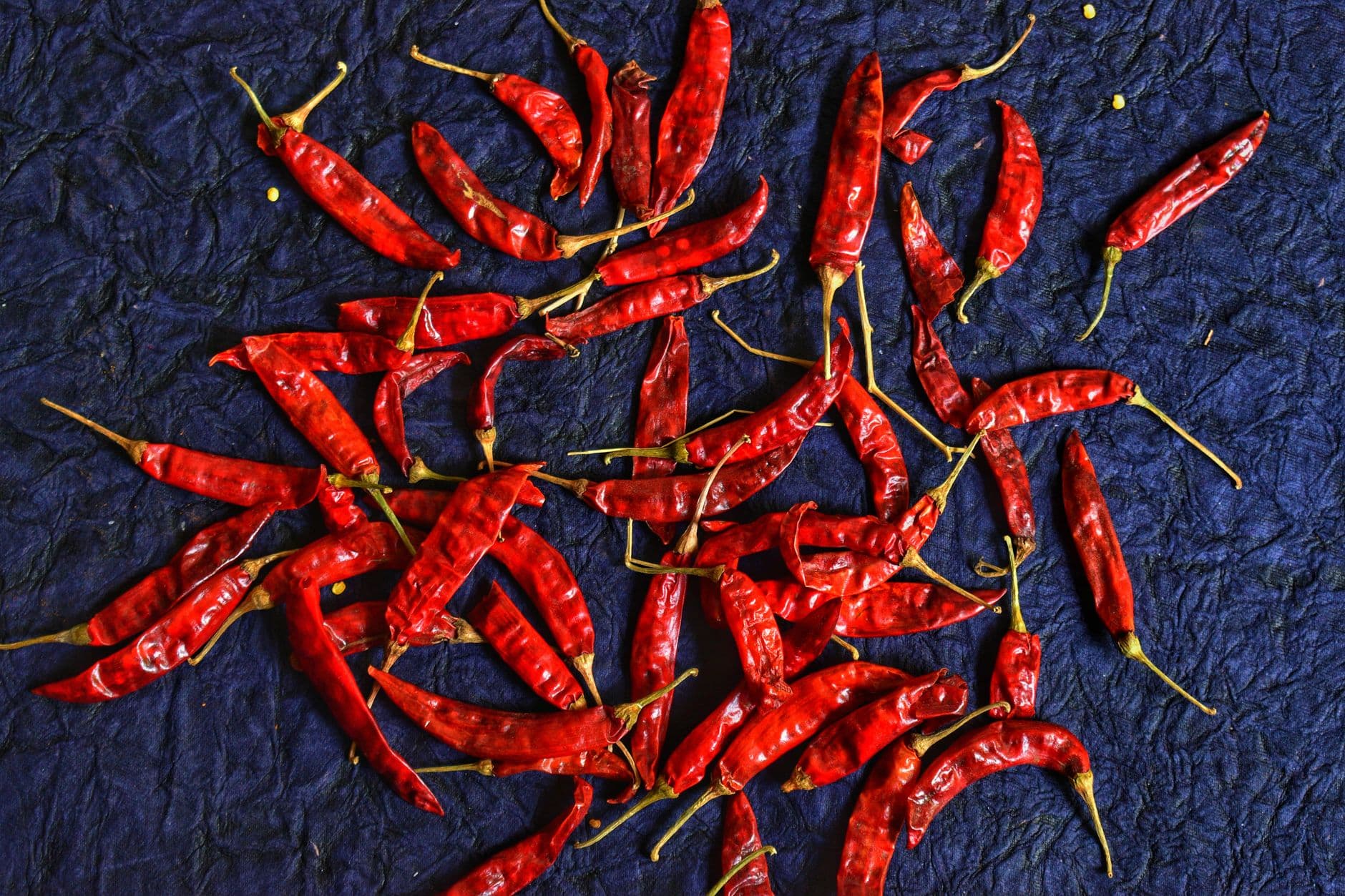
The unpredictable fire of dried chilies can turn a weeknight meal into a culinary gamble. Too much and dinner is a dare; too little, and the dish falls flat. Learning to wield dried chili cooking with confidence isn’t about memorizing Scoville numbers or buying specialty gadgets—it’s about understanding how to coax reliable heat and flavor from these pantry staples, with practical steps that fit into real home kitchens. Here’s how to turn dried chilies from a wild card into an ingredient you can count on, with tips for storage, preparation, and food safety.
You reach for vinegar when making vinaigrette, but the bottle lingers in the pantry, half-used, as if waiting for a purpose beyond salad. In reality, vinegar is a quiet workhorse for home cooks, lending brightness, balance, and even safety to a surprising number of weeknight kitchen moments. This article follows a realistic evening’s cooking, showing where vinegar can unlock flavor, help with food safety, and even rescue a dish gone sideways—no chef credentials required.
You’re halfway through a recipe and the instructions call for “salt”—but which kind? The difference between kosher, table, and flaky salt isn’t just about texture or price. How you use them shifts the way flavors develop, how ingredients behave, and even how safely you prepare your meal. This evening-in-the-kitchen narrative explores the practical realities of choosing between types of salt for cooking, from seasoning pasta water to finishing a roast, and offers grounded advice to help you navigate the most common salt decisions at home.