Pantry and Ingredients
Refreshing Spice Jars Without Throwing Out What Still Works
Charlotte Flynn9 min read
Stale, faded spices are a quiet culprit behind lackluster home cooking, but dumping every jar after the 'best by' date is wasteful and expensive. This troubleshooting guide untangles when to keep, toss, or revive what’s on your shelf—so you can refresh your spice jars for peak flavor without unnecessary waste. From easy sniff tests to strategies for using up older spices, we’ll help you make the most of every pinch, safely and sensibly.
- •The Problem: When Are Your Spices Past Their Prime?
- •Expiration Dates: Guideline, Not Gospel
- •Failure Mode #1: The Forgotten, Faded, or Flavorless Jar
- •Failure Mode #2: The Clumpy, Damp, or Odd-Smelling Jar
- •Failure Mode #3: The Unknown Origin Jar
- •How to Refresh Without Waste
- •When to Toss: The Safety Line
- •Smart Storage: Stretching the Life of Your Spices
- •Using Up What You Have: Creative and Practical Ideas
- •Conclusion: A Balanced Approach
- •References
The Problem: When Are Your Spices Past Their Prime?
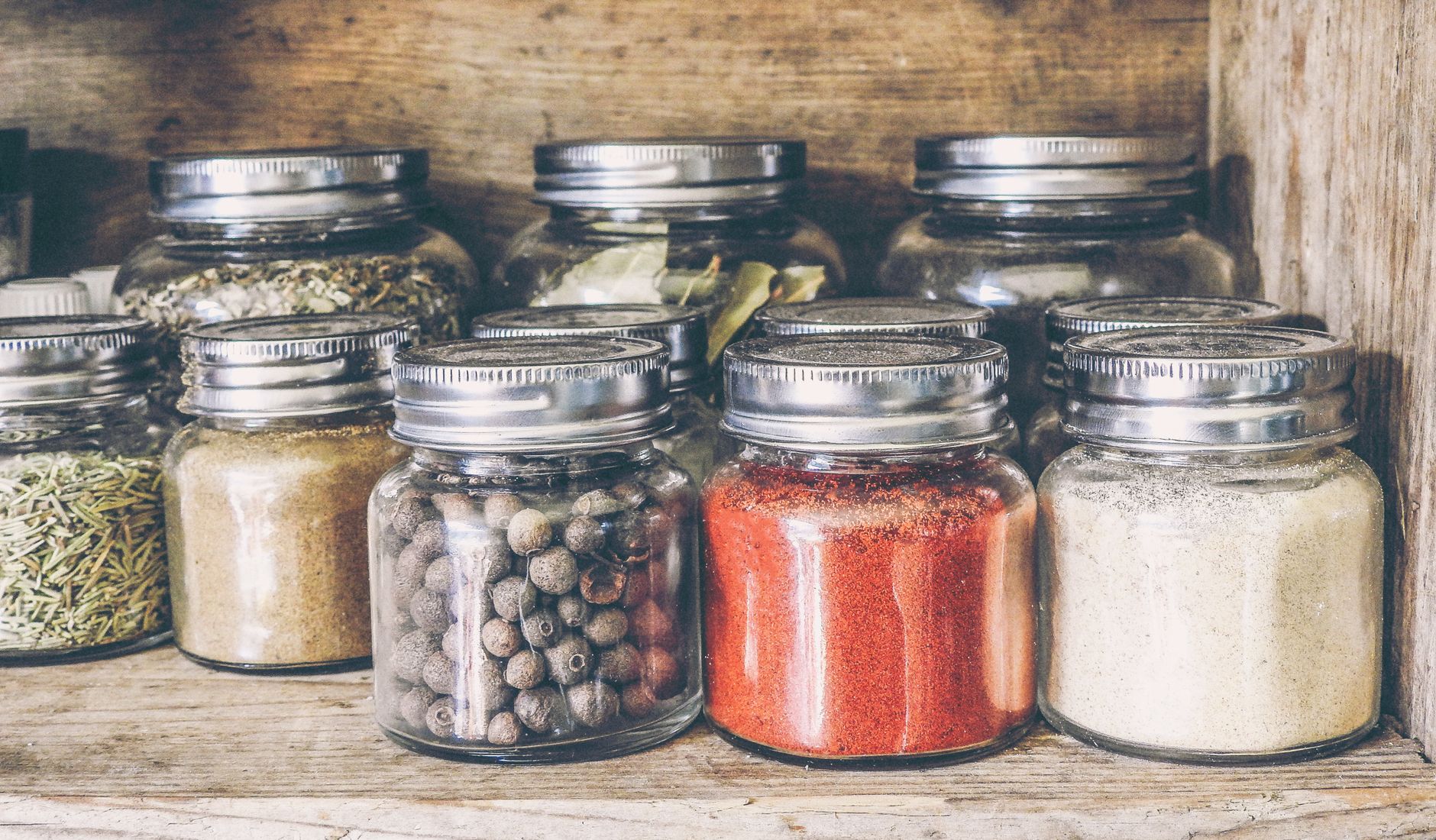
Every home cook has faced a crowded spice shelf, where jars accumulate far faster than they empty. Maybe you’re prepping a recipe and find an old jar of cumin—should you use it, toss it, or find a middle ground? The confusion comes from conflicting advice: labels push you to throw away anything past its date, while thrifty instincts balk at dumping pricey powders. The real challenge is distinguishing between a spice that’s actually unsafe, one that’s just faded, and one that’s still good as new. This is where understanding spice jar freshness can save both flavor and money. Even seasoned cooks can be tripped up by the subtle differences between a harmlessly faded spice and one that could introduce risk. The stakes are low for most dried spices, but food safety basics still matter, especially if jars are stored in humid kitchens or have been opened and closed dozens of times.
Expiration Dates: Guideline, Not Gospel
Spices rarely spoil in the same way as milk or meat. Most ground spices and dried herbs simply lose their punch over time, rather than becoming hazardous. The 'best by' dates on jars are indicators of peak flavor, not hard deadlines for safety. If a spice is kept dry and sealed, it’s unlikely to make you sick even after its date has passed. According to the U.S. Food and Drug Administration, safe food storage depends heavily on cleanliness and moisture control, rather than just the printed date (https://www.fda.gov/food/buy-store-serve-safe-food/food-safety-your-kitchen). The real threat comes not from the passage of time, but from exposure to moisture, heat, or contamination. A spice that’s been kept in a cool, dry cupboard with the lid tightly closed is likely to remain usable well past its labeled date, though its flavor may be diminished. This is why food safety authorities recommend focusing on storage conditions and visual or sensory cues rather than simply tossing anything past its date.
Failure Mode #1: The Forgotten, Faded, or Flavorless Jar
The most common spice jar failure is simple: flavor fade. Oregano that smells like nothing, paprika with no color, or cinnamon that tastes like dust won’t improve your food. To check, open the jar and take a whiff. If the aroma is weak or musty, the spice is past its prime. Rub a pinch between your fingers; if it doesn’t release a noticeable scent, it’s time to replace. For visual spices like paprika or turmeric, a faded color is another sign of decline. Old spices aren’t dangerous, but they’re uninspiring—use them up quickly in bulk recipes like chili or stew, or retire them to the compost. This failure mode is especially common with infrequently used jars, such as ground cloves or allspice, which may linger for years untouched. Even with careful storage, volatile flavor compounds break down over time, leaving behind a bland powder that does little for your cooking. If a spice has lost its signature aroma or color, it’s best used in dishes where it won’t be the star, or simply replaced with a fresh jar for recipes where flavor matters most.
Failure Mode #2: The Clumpy, Damp, or Odd-Smelling Jar
A jar that’s clumped, sticky, or smells off signals a bigger problem. Moisture exposure is the enemy of spice jar freshness. Spices that have gotten wet can harbor mold or bacteria. If you spot any visible mold, toss the jar immediately. Even if there’s no visible growth, a musty or sour odor means the spice is compromised. Always use a clean, dry spoon in your jars, and keep them tightly sealed to avoid cross-contamination. For more on keeping your kitchen safe from spoilage, see the FDA’s recommendations on food safety in your kitchen (https://www.fda.gov/food/buy-store-serve-safe-food/food-safety-your-kitchen). Clumping is often the first warning sign that a spice has absorbed moisture, which can happen if jars are stored above the stove, near the dishwasher, or left open during cooking. Once moisture gets in, the risk of microbial growth increases, especially if the spice is then resealed and left for weeks or months. In rare cases, damp spices can even attract pantry pests, such as beetles or moths. Any sign of insects or webbing means the entire jar should be discarded immediately. To prevent this failure mode, avoid shaking spices directly over steaming pots, and never return unused spices to the jar after measuring.
Failure Mode #3: The Unknown Origin Jar
That unlabeled jar in the back of your cupboard, or the mystery baggie from a bulk bin, is a wild card. If you can’t recall its age, and it’s lost its scent or looks off, err on the side of caution. Spices without clear provenance are best used up quickly or discarded if there’s any doubt about their storage conditions. Remember, flavor (and food safety) depends on both the spice’s age and how it was handled. Bulk spices can be a bargain, but they’re also more vulnerable to contamination if not stored properly. Without a label or date, it’s impossible to know how long a spice has been sitting around, or whether it’s been exposed to moisture or pests. If a mystery jar fails the sniff or pinch test, or if the contents look faded or clumpy, it’s safest to compost or discard it. When buying in bulk, transfer spices to airtight containers and label them with the purchase date to avoid this scenario in the future.
How to Refresh Without Waste
Don’t feel pressured to dump every spice just because it’s a year old. If it passes the sniff and pinch test, keep using it. To revive faded spices, toast them briefly in a dry pan to coax out lingering flavor. For blends that lack punch, add a pinch more than the recipe calls for, or combine with fresh herbs to boost aroma. If you’re looking for ways to use up lingering spices, try mixing them into homemade rubs, salad dressings, or roasted vegetables. For a primer on making the most of other pantry basics, see our guides on /posts/oil-smoke-point-home-cooking and /posts/salt-types-home-kitchen. Another way to use up tired spices is to infuse them into oils or vinegars, where gentle heat can extract what flavor remains. Simmering old bay leaves, peppercorns, or dried herbs in broth or soup stock is another practical option, as the long cooking time helps draw out subtle notes. For sweet spices like cinnamon or nutmeg, consider adding them to baked goods, where even a faded spice can contribute background warmth. When using older spices, taste as you go and adjust quantities as needed—sometimes doubling the amount can compensate for lost potency.
When to Toss: The Safety Line
While most stale spices are harmless, there are exceptions. Spices contaminated with moisture, mold, or pests should go straight to the trash. Never try to salvage spices that have an odd odor, visible mold, or signs of insects. Proper storage is crucial: keep jars away from heat, light, and humidity, and always use clean utensils. The FDA and FoodSafety.gov both stress that keeping dried goods dry and uncontaminated is the best way to avoid spoilage (https://www.fda.gov/food/buy-store-serve-safe-food/food-safety-your-kitchen; https://www.foodsafety.gov/food-safety-charts/cold-food-storage-charts). If a spice has been exposed to floodwater, or if you suspect it has come into contact with raw meat or other contaminants, discard it immediately. Cross-contamination is a real risk in busy kitchens, especially if utensils are shared between raw and ready-to-eat foods. According to the USDA, even though dried spices are less prone to bacterial growth than fresh foods, they can still become unsafe if handled improperly. Always err on the side of caution when food safety is in doubt.
Smart Storage: Stretching the Life of Your Spices
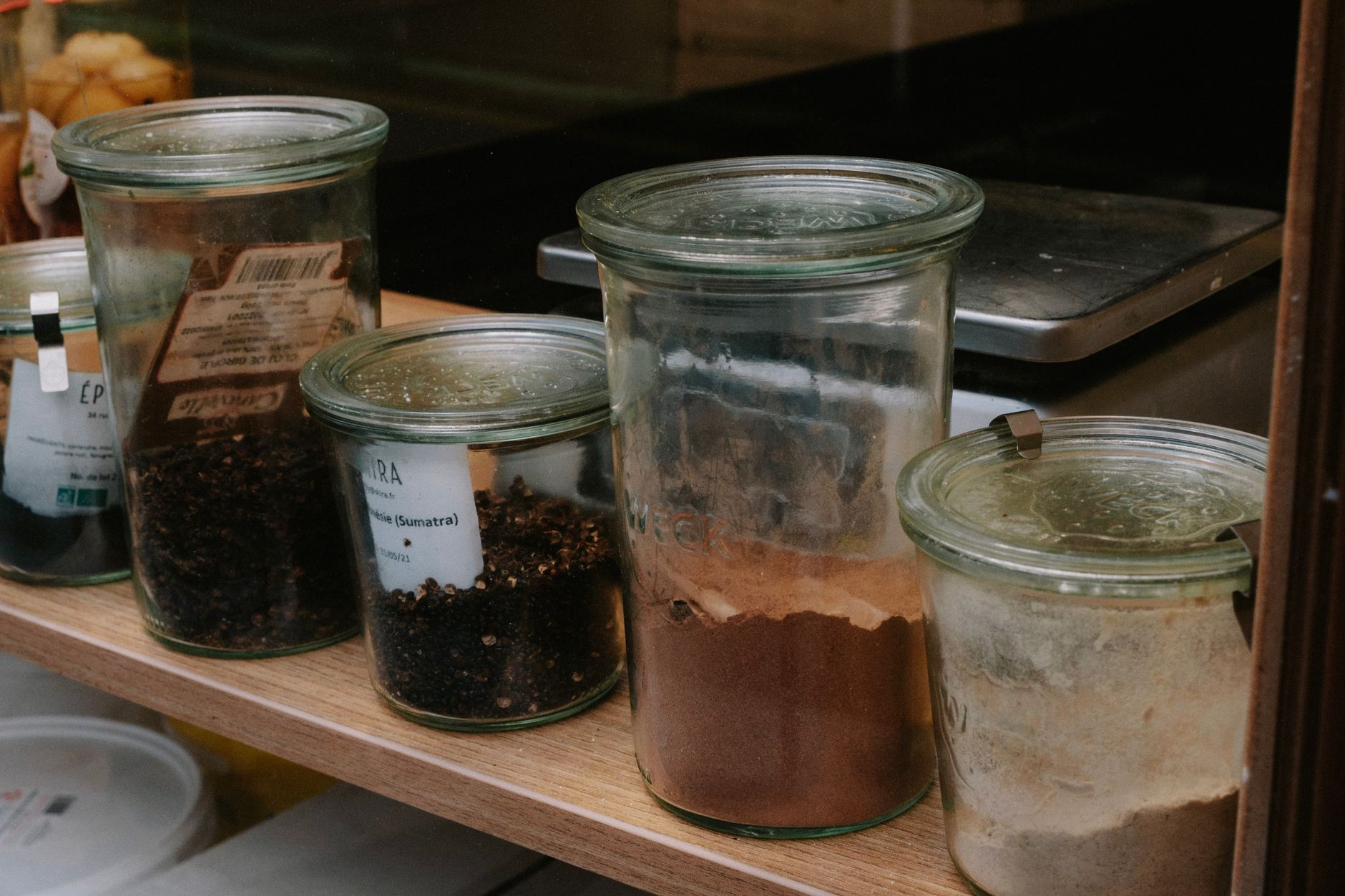
To maximize spice jar freshness, store spices in airtight containers away from the stove and direct sunlight. Avoid keeping jars above the dishwasher or next to the oven, where heat and steam accelerate flavor loss and clumping. If you buy spices in bulk, decant small amounts into a working jar and keep the rest sealed tightly in a cool, dry spot. Always label with the purchase date, so you’re not left guessing next time you clean out your pantry. The FDA recommends keeping all dry goods—including spices—off the counter and away from sources of moisture (https://www.fda.gov/food/buy-store-serve-safe-food/food-safety-your-kitchen). For households with high humidity, consider adding a food-safe desiccant packet to spice jars to help absorb excess moisture. Glass jars with tight-fitting lids are best, as plastic containers can sometimes allow air and odors to seep in. Organizing spices by frequency of use can also help; keep everyday essentials within easy reach, and store rarely used jars in the back or in a separate bin. Regularly rotating your spice collection—moving older jars to the front—helps ensure nothing gets forgotten and wasted.
Using Up What You Have: Creative and Practical Ideas
Before replacing a spice, look for ways to use up what’s left. Simmer older bay leaves in homemade stocks, blend faded chili powder into taco seasoning, or use tired herbs in marinades, where bold flavors can mask their weakness. Mix ground spices into compound butters, or infuse oils for a gentle flavor boost. If a spice is truly flavorless, it’s ready for compost or the bin—but most jars have a little life left if you’re creative. Spices that are on their last legs can also be used in pickling brines, where vinegar and salt help extract their remaining essence. For dried herbs like thyme or oregano, try sprinkling them over roasted vegetables or mixing them into bread dough. Even a faded spice can add subtle complexity to homemade crackers, dips, or salad dressings. For those who enjoy DIY projects, old spices can be used to scent homemade candles or potpourri, giving them a second life outside the kitchen. The key is to match the spice to a use where its diminished flavor won’t be a drawback—think background notes rather than starring roles.
Conclusion: A Balanced Approach
Refreshing your spice jars doesn’t have to mean waste. With a few simple checks—sniff, pinch, inspect—you can keep what still works, safely discard what doesn’t, and make the most of every jar. Smart storage and creative use will help you stretch your pantry and keep your food tasting its best. By focusing on sensory cues and safe storage practices, it’s possible to balance thrift and flavor without compromising food safety. The next time you clean out your spice shelf, let evidence—not just expiration dates—guide your decisions, and enjoy a kitchen that’s both efficient and delicious.
References
U.S. Food and Drug Administration, Food Safety in Your Kitchen — clean, separate, cook, and chill practices. https://www.fda.gov/food/buy-store-serve-safe-food/food-safety-your-kitchen
FoodSafety.gov, Cold Food Storage Charts — how long refrigerated and frozen foods keep. https://www.foodsafety.gov/food-safety-charts/cold-food-storage-charts
Article information
Published

About the author
Charlotte FlynnPantry & Traditions Writer
Charlotte Flynn writes FeedsAtlas guides to pantry staples and culinary traditions. The pieces map techniques and ingredients so home cooks can understand a method, not a restaurant visit.
More from Charlotte →This information is general and is not a substitute for professional advice for your specific situation.