Kosher, Table, and Flaky Salt: What Changes in a Home Kitchen
Charlotte Flynn··9 min read
You’re halfway through a recipe and the instructions call for “salt”—but which kind? The difference between kosher, table, and flaky salt isn’t just about texture or price. How you use them shifts the way flavors develop, how ingredients behave, and even how safely you prepare your meal. This evening-in-the-kitchen narrative explores the practical realities of choosing between types of salt for cooking, from seasoning pasta water to finishing a roast, and offers grounded advice to help you navigate the most common salt decisions at home.
It’s six o’clock. You’re prepping dinner and, as always, salt is on the counter. The recipe says “salt to taste,” but you have three options in arm’s reach: a box of kosher salt, a canister of fine table salt, and a small jar of flaky sea salt left over from a holiday splurge. The question—does it matter which one you grab?—is more than academic. The type of salt you use can change how ingredients absorb flavors, how textures develop, and even how you keep your kitchen safe. Tonight’s meal is your test kitchen, whether you planned it or not. The evening’s rhythm—pulling out ingredients, prepping vegetables, handling raw meat, and finishing with a flourish—offers a dozen moments to consider which salt to use and why. Each step in the process, from the first pinch to the last sprinkle, sets the stage for both flavor and food safety.
Kosher Salt: The Workhorse for Seasoning and Brining
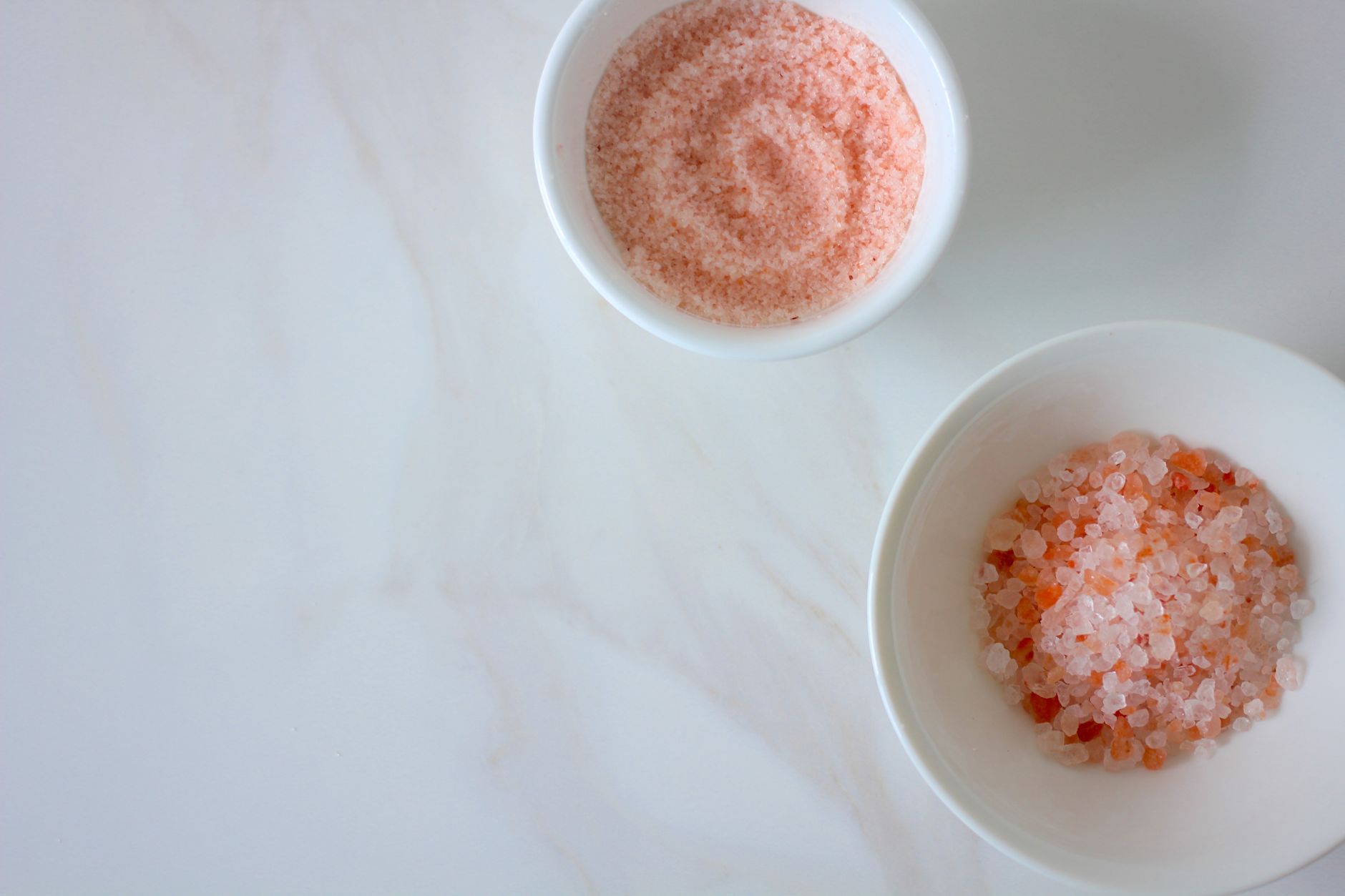
Kosher salt is the default for many home cooks, and with good reason. Its large, irregular crystals are easy to pinch and scatter, making it forgiving when you’re seasoning by feel. When salting pasta water or rubbing a chicken before roasting, kosher salt’s structure means it dissolves at a moderate pace—fast enough for vegetables, slow enough to avoid clumping on meat. It’s especially helpful for brining, where even distribution matters. If you’re thawing meat to brine, remember that safe thawing matters as much as seasoning: thaw frozen proteins in the refrigerator, never at room temperature, to avoid the 'danger zone' where bacteria multiply rapidly (USDA FSIS, The Big Thaw). The evening routine often starts with pulling meat from the freezer. Placing it in the fridge the night before or in the morning ensures it’s safely thawed by dinner. For last-minute plans, submerge sealed meat in cold water, changing the water every 30 minutes. Avoid letting it sit on the counter. Once thawed, kosher salt’s texture makes it easy to massage into the surface of proteins, ensuring even coverage. This step not only seasons but also helps draw out some moisture, which can improve browning during cooking. The ritual of seasoning with kosher salt becomes second nature, whether prepping a roast, seasoning vegetables, or even rimming a cocktail glass.
Table Salt: Precision and Hidden Surprises
Table salt brings a different set of strengths. Its fine grains dissolve quickly and measure consistently by volume, which is why older cookbooks and most baking recipes rely on it. Table salt often contains anti-caking agents and sometimes iodine, which can impart a faint bitterness in large amounts but is a non-issue in most savory dishes. For doughs, batters, or anywhere you want a uniform distribution, table salt is hard to beat. If you’re swapping table salt for kosher salt in a recipe, use less—its compact crystals pack more saltiness per teaspoon. The evening’s baking project—a loaf of bread or a batch of cookies—relies on table salt’s predictability. A teaspoon here is a teaspoon everywhere. When dissolving salt into vinaigrettes or sauces, table salt ensures no gritty residue. That same fine texture, though, means it’s easy to overdo. If a recipe calls for kosher salt and you reach for table salt instead, the result can be unexpectedly salty. For more on how and when to add salt, see /posts/salt-timing-home-cooking.
Flaky Salt: The Finisher
Flaky salt is all about drama and texture. With broad, brittle crystals, it’s not meant for dissolving into soup or pasta water. Instead, sprinkle it over roasted vegetables, steaks, or even chocolate cookies just before serving. The crunch draws out flavors and creates contrast. Flaky salt also dissolves on the tongue in bursts, which can accentuate sweetness or brightness. Because it’s used at the end, food safety isn’t a direct concern, but always store it in a clean, dry container to avoid contamination (U.S. Food and Drug Administration, Food Safety in Your Kitchen). The evening’s main event—a roast chicken or a pan of brownies—gets a last-minute upgrade with a pinch of flaky salt. The visual impact is immediate, and the flavor pops. Flaky salt is also ideal for salads where you want a burst of salinity without overpowering the greens. In these moments, the choice of salt isn’t just about taste; it’s about experience.
Measuring and Substituting: Why Volume Matters
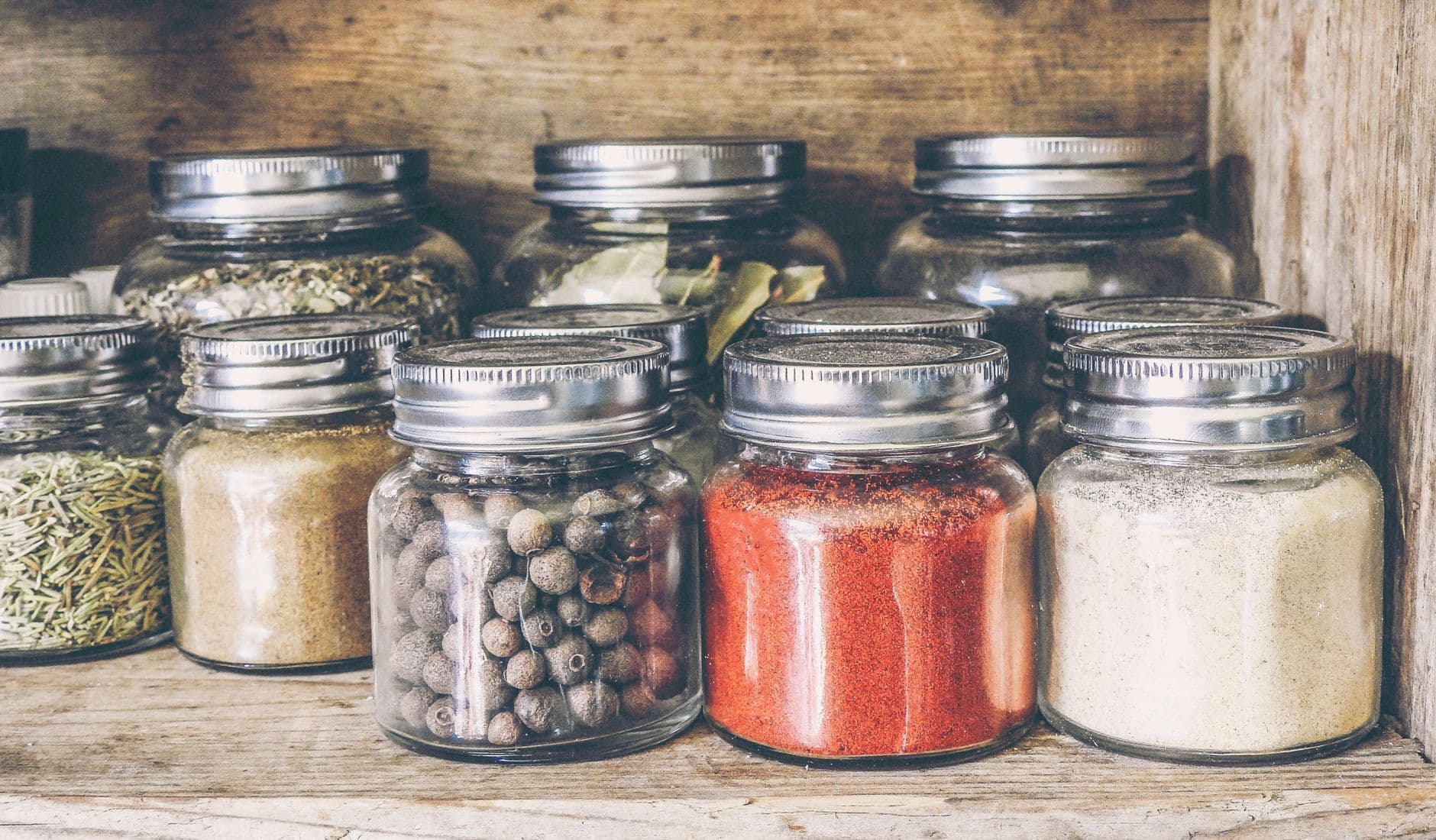
Switching between salt types isn’t a one-to-one swap. A tablespoon of kosher salt is less salty than the same volume of table salt. This is because kosher salt’s larger crystals take up more space for the same weight. If you’re following a recipe that specifies one type, substituting another can throw off the flavor. When in doubt, start with less and add more gradually, tasting as you go. If your spice jars are older, consider refreshing them to keep flavors vibrant—see /posts/spice-jar-refresh-without-waste. The evening’s soup or stew is a perfect example: a recipe might call for a tablespoon of kosher salt, but if table salt is used, the result will be much saltier. Measuring by weight instead of volume is the most accurate way to substitute, but most home kitchens rely on spoons. The best habit is to taste frequently, especially when switching between salt types.
Salt and Food Safety: Clean Hands, Clean Surfaces
Salt itself doesn’t spoil, but how you use it can influence food safety. When seasoning raw meat or fish, avoid double-dipping your fingers into the salt container to prevent cross-contamination. Always wash your hands after handling raw proteins, and sanitize surfaces before and after prepping. This helps keep bacteria at bay, supporting the FDA’s guidance to clean, separate, cook, and chill. The evening’s cleanup routine—wiping down counters, washing cutting boards, and storing leftovers—reinforces these habits. If you’re seasoning with your fingers, pour a small amount of salt into a ramekin before touching raw ingredients. This keeps the main supply uncontaminated. The same goes for any finishing salt: use a clean spoon or dry hands. These small steps make a big difference in kitchen safety.
Produce, Pantry, and Salt: A Broader Look at Kitchen Safety
Salt’s role in the kitchen extends beyond flavor. When prepping produce, a quick rinse under running water removes dirt and potential contaminants, but salt can also be used to help scrub firmer vegetables like cucumbers or carrots. This isn’t a substitute for proper washing, but it can add an extra layer of clean, especially for produce eaten raw (FDA, Selecting and Serving Produce Safely). Drying produce thoroughly before salting helps the seasoning stick and prevents sogginess. In the pantry, salt is a preservative, but only when used in sufficient quantities. For everyday storage, keep salt in sealed containers away from moisture and potential pests. The evening’s salad, for example, benefits from both clean greens and a judicious sprinkle of salt. These details, small as they seem, add up to a safer, tastier meal.
Leftovers and Salting After Cooking
When storing leftovers, the salt you used in cooking can continue to affect the food’s texture and flavor. Heavily salted dishes may draw out moisture during refrigeration, sometimes making reheated food taste saltier. Cool leftovers quickly and store them in shallow containers; reheat thoroughly before eating (USDA FSIS, Leftovers and Food Safety). The type of salt you use for finishing—especially flaky salt—should be added only after reheating, to preserve its texture. The evening’s cleanup often includes portioning out tomorrow’s lunch or freezing extra portions. Labeling containers with the date and contents helps keep track of what’s safe to eat. According to food safety charts, most cooked leftovers are best eaten within three to four days when kept refrigerated at or below 40°F (Foodsafety.gov, Cold Food Storage Charts). Freezing extends shelf life, but salt can affect texture, especially in delicate dishes. When reheating, taste before adding more salt, as flavors can concentrate over time.
When to Reach for Each Salt: An Evening in Practice
Imagine tonight’s meal: you start by boiling water for pasta. Kosher salt goes in—its crystals dissolve steadily, making it almost impossible to oversalt. You move on to a salad. Table salt, with its fine grains, is ideal in the vinaigrette for quick, even seasoning. As the roast comes out of the oven, you scatter a pinch of flaky salt on top, letting it cling to the crust. Each salt has a moment, and learning when to use which one is less about rules and more about knowing what effect you want. With a little practice, your pantry’s salt selection becomes a toolkit, not a source of confusion. The evening winds down with a taste of each dish: pasta perfectly seasoned, salad bright and balanced, roast with a satisfying crunch. The choices made at each step—how much, when, and which salt—shape the meal’s outcome. Over time, these decisions become instinctive, turning the kitchen into a place of both creativity and confidence.
Charlotte Flynn writes FeedsAtlas guides to pantry staples and culinary traditions. The pieces map techniques and ingredients so home cooks can understand a method, not a restaurant visit.
You’re standing at your stove, pan heating up, and suddenly your oil starts smoking—long before your vegetables hit the skillet. The internet is full of charts and rules about cooking oil smoke point, but most home cooks don’t need a chemistry degree to avoid burnt oil or bitter flavors. Instead, let’s troubleshoot the real failure modes you’ll encounter, cut through the hype, and help you make practical oil choices for everyday home cooking.
Every home cook eventually faces the canned vs fresh tomatoes dilemma. Whether you’re simmering a sauce or topping a pizza, the decision isn’t just about flavor—it’s about practicality, safety, and the way tomatoes transform in heat. This article walks through the real-world factors that tip the scales in favor of canned tomatoes, and when fresh truly shines, all grounded in the needs and rhythms of a home kitchen.
Stale, faded spices are a quiet culprit behind lackluster home cooking, but dumping every jar after the 'best by' date is wasteful and expensive. This troubleshooting guide untangles when to keep, toss, or revive what’s on your shelf—so you can refresh your spice jars for peak flavor without unnecessary waste. From easy sniff tests to strategies for using up older spices, we’ll help you make the most of every pinch, safely and sensibly.
Staring at a bag of dried beans, you might wonder: Do I really need to soak these, or can I just cook them straight from the pantry? The answer can shape your dinner timeline, the texture of your beans, and even how you store leftovers. Here’s a practical guide to when soaking matters, when it doesn’t, and how to keep food safety and flavor in mind at every step.
The unpredictable fire of dried chilies can turn a weeknight meal into a culinary gamble. Too much and dinner is a dare; too little, and the dish falls flat. Learning to wield dried chili cooking with confidence isn’t about memorizing Scoville numbers or buying specialty gadgets—it’s about understanding how to coax reliable heat and flavor from these pantry staples, with practical steps that fit into real home kitchens. Here’s how to turn dried chilies from a wild card into an ingredient you can count on, with tips for storage, preparation, and food safety.
You reach for vinegar when making vinaigrette, but the bottle lingers in the pantry, half-used, as if waiting for a purpose beyond salad. In reality, vinegar is a quiet workhorse for home cooks, lending brightness, balance, and even safety to a surprising number of weeknight kitchen moments. This article follows a realistic evening’s cooking, showing where vinegar can unlock flavor, help with food safety, and even rescue a dish gone sideways—no chef credentials required.