Staring at a bag of dried beans, you might wonder: Do I really need to soak these, or can I just cook them straight from the pantry? The answer can shape your dinner timeline, the texture of your beans, and even how you store leftovers. Here’s a practical guide to when soaking matters, when it doesn’t, and how to keep food safety and flavor in mind at every step.
A bag of dried beans is a pantry staple with a reputation for being both thrifty and nourishing. But it comes with a classic conundrum: soak or skip? The answer isn’t one-size-fits-all. The decision hinges on the type of bean, how much time you have, your preferred texture, and even how you plan to store and reheat leftovers. Each method has trade-offs, and understanding them can help you choose the best approach for your meal and your schedule.
What Soaking Actually Does
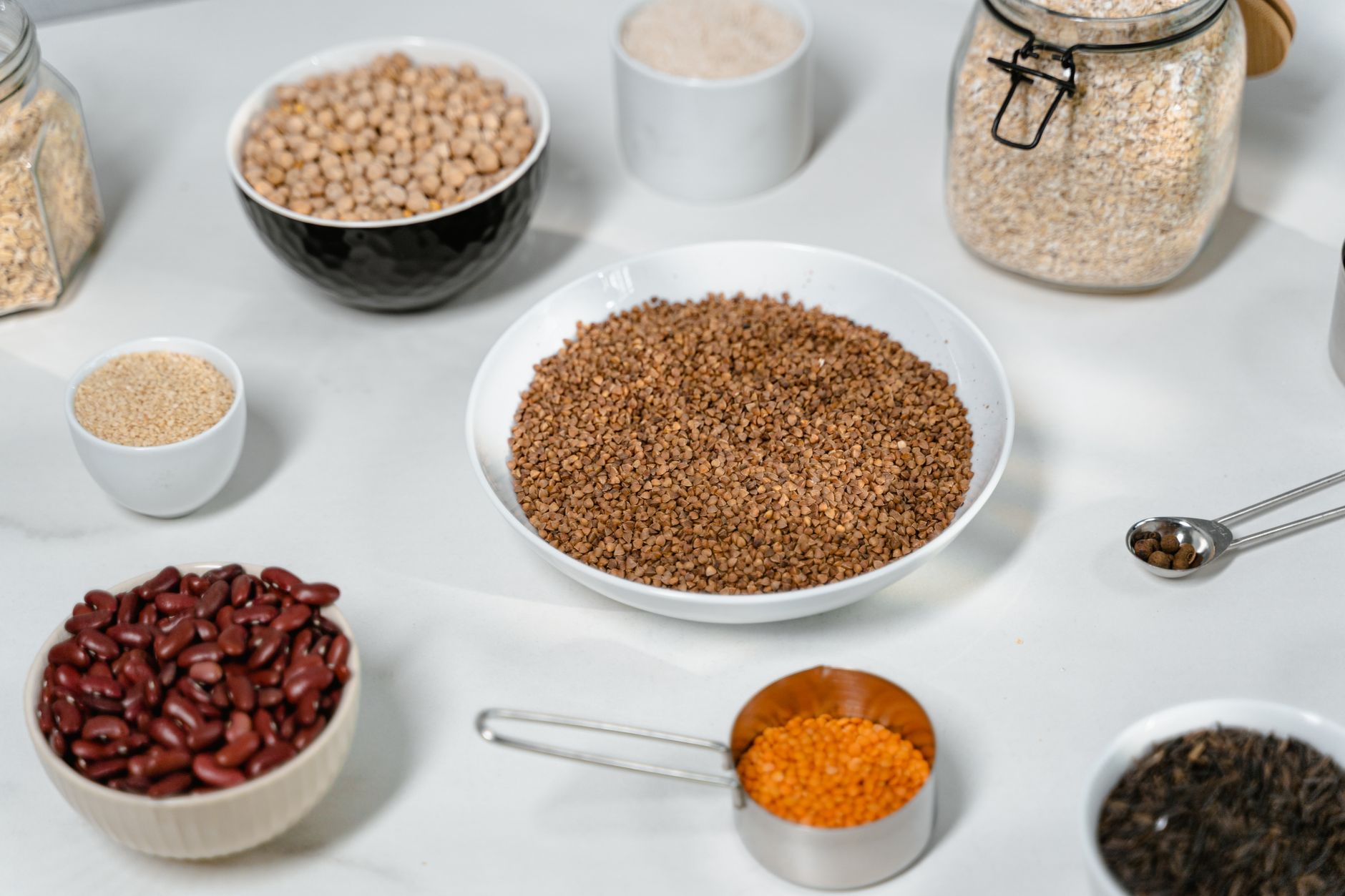
Soaking dried beans means submerging them in water for several hours or overnight. This process hydrates the beans, allowing them to absorb water and begin softening before cooking. Hydration helps beans cook more evenly and can reduce the overall cooking time by up to half. Soaking also leaches out some of the oligosaccharides—complex sugars that can cause digestive discomfort for some people. For certain beans, soaking helps them retain their shape, which is important for salads, grain bowls, or any dish where appearance matters. However, not all beans benefit equally. Smaller beans, fresher beans, and lentils often cook well without soaking. The impact of soaking depends on the variety and the desired final texture.
When Soaking Is Essential
There are clear situations where soaking is the best choice. Large beans, such as kidney, cannellini, and chickpeas, have tough skins and dense interiors that benefit from a long soak. If the goal is to have beans that hold their shape, such as for a composed salad or a stew where each bean should stay intact, soaking is a reliable way to get there. Soaked beans are less likely to split or burst during simmering. Soaking also helps if you’re sensitive to digestive issues—discarding the soak water removes some of the compounds that can cause gas or discomfort. Finally, when time is tight but you planned ahead, soaking can cut your stovetop simmering time significantly. For those who want to batch-cook beans for the week, soaking can also make the process more efficient and help the beans freeze and thaw with less texture loss.
When Skipping Soaking Works Fine
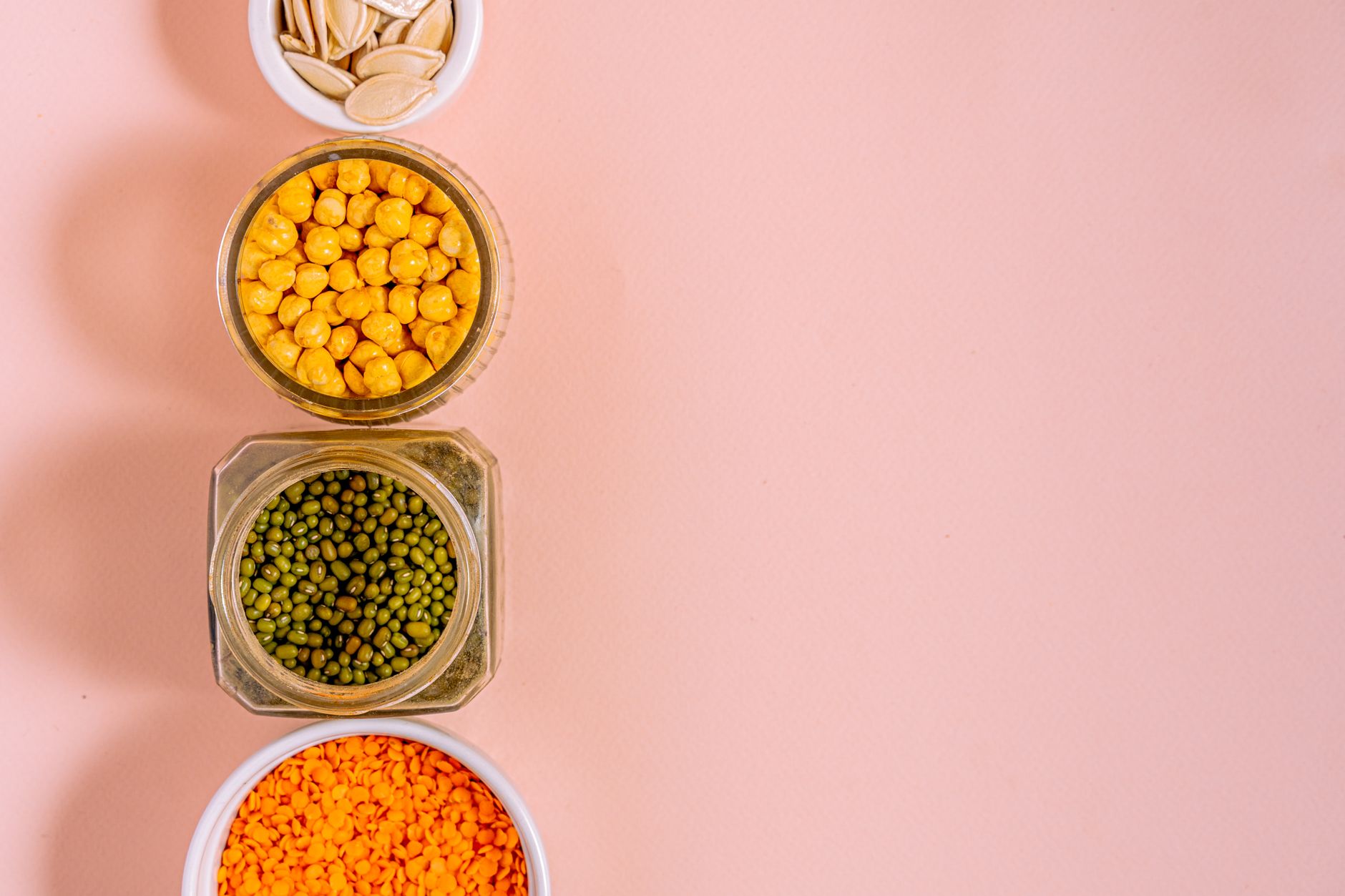
There are plenty of scenarios where soaking isn’t necessary. If you’re making a dish that cooks for a long time—like chili, bean soup, or braised beans—starting from dry beans is perfectly acceptable. Black beans, pinto beans, navy beans, and lentils can be cooked from dry with good results, especially when the beans will be mashed or blended, or when a creamy texture is desired. The trade-off is a longer cook time—sometimes up to two hours or more—but this can be managed with a little planning. Pressure cookers and Instant Pots have made skipping soaking even more practical, as these appliances can cook unsoaked beans quickly and evenly. Modern recipes often reflect these realities, so check instructions for guidance.
References
Whether soaking or not, food safety should always be a priority. Begin by rinsing dried beans under cool running water to remove dust and debris. If soaking, keep beans refrigerated if the soak lasts longer than two hours, especially in warm kitchens, to prevent bacterial growth. After cooking, cool beans quickly and refrigerate leftovers within two hours. According to the USDA and FDA, cooked beans should be eaten within 3–4 days when stored in the refrigerator. For freezing, portion beans into airtight containers or freezer bags and label with the date. Thaw frozen beans in the refrigerator, not on the countertop, to avoid the 'danger zone' where bacteria multiply rapidly. For more on safe leftover handling, see USDA FSIS, Leftovers and Food Safety, and FDA Food Safety in Your Kitchen.
Forgot to soak beans but need to get dinner on the table? The quick-soak method offers a compromise. Cover beans with several inches of water, bring to a boil for 2–3 minutes, then turn off the heat, cover, and let sit for an hour. After draining and rinsing, cook as usual. This method doesn’t fully replicate an overnight soak, but it does hydrate beans enough to reduce cooking time and can help with digestibility. Quick-soak is especially handy for weeknight meals or when plans change at the last minute. However, for very large beans or those with particularly tough skins, a traditional overnight soak may still yield the best texture.
How Texture and Flavor Guide the Choice
Texture is a key factor in deciding whether to soak. Soaked beans tend to cook more evenly and stay plumper, making them ideal for salads, side dishes, or recipes where each bean should be distinct. Unsoaked beans are more likely to burst or break down, which works well for creamy soups, refried beans, or dishes where a softer, blended texture is desirable. The flavor difference is subtle, but some cooks notice that soaked beans have a slightly cleaner taste, while unsoaked beans develop a richer, more concentrated flavor as their starches break down during a longer cook. If you want to highlight the beans themselves, soaking can help them shine. If the beans are just one component in a robust, slow-cooked dish, skipping the soak is often just fine.
Cooking a large batch of beans is a practical way to save time and money. Soaking can help beans cook more uniformly, which is especially useful when preparing several portions at once. Once cooked, beans can be cooled quickly and divided into meal-sized portions for refrigeration or freezing. According to FoodSafety.gov’s cold storage charts, cooked beans keep in the fridge for 3–4 days and can be frozen for up to 2–3 months. When freezing, use airtight containers or freezer bags and remove as much air as possible. For thawing, the safest method is in the refrigerator, which keeps beans out of the temperature 'danger zone.' Avoid thawing on the counter, as this can allow bacteria to multiply. If you need beans quickly from the freezer, the microwave or cold-water methods described by the USDA FSIS can be used, but be sure to cook or reheat beans immediately after thawing. For more details, see FoodSafety.gov’s Cold Food Storage Charts and USDA FSIS, The Big Thaw.
Decision Points: How to Choose Your Method
Several questions can help narrow down the best approach for your meal:
What type of bean are you using? Large, dense beans benefit most from soaking, while smaller beans and lentils are more forgiving.
How much time is available? If you have a day to plan, soaking can save time during cooking. If you’re starting dinner late, cooking from dry or using a quick-soak is a practical solution.
What texture do you want? For whole, intact beans, soaking is the safer bet. For creamy or blended dishes, unsoaked beans work well.
Are digestive issues a concern? Soaking and discarding the soak water can help reduce compounds that cause discomfort.
How will leftovers be stored? Soaked beans tend to hold up better after freezing and reheating, but both soaked and unsoaked beans can be stored safely with proper handling.
There’s no universal rule—let the dish, your schedule, and your preferences guide the decision.
Kitchen Practices That Matter Most
No matter which method you choose, a few kitchen habits make the process safer and more successful. Always start with clean hands, utensils, and surfaces to prevent cross-contamination. Rinse beans thoroughly before soaking or cooking. If using produce in your bean dish, wash fruits and vegetables under running water before cutting or combining with cooked beans, as recommended by the FDA. When reheating beans, bring them to a simmer or at least 165°F to ensure safety. Store leftovers in shallow containers to help them cool quickly and refrigerate promptly. These steps matter as much as the soak-or-not decision for both food safety and quality.
Flexibility Is the Real Rule
The soak-or-not debate is less about following strict rules and more about understanding the options. Soak for plump, even beans or a faster cook; skip for convenience or a creamier texture. Both methods can yield delicious results when paired with good kitchen practices. The most important decisions are about food safety—cleanliness, proper storage, and safe reheating. With a little knowledge, dried beans become one of the most adaptable and rewarding ingredients in the kitchen.
Charlotte Flynn writes FeedsAtlas guides to pantry staples and culinary traditions. The pieces map techniques and ingredients so home cooks can understand a method, not a restaurant visit.
You’re standing at your stove, pan heating up, and suddenly your oil starts smoking—long before your vegetables hit the skillet. The internet is full of charts and rules about cooking oil smoke point, but most home cooks don’t need a chemistry degree to avoid burnt oil or bitter flavors. Instead, let’s troubleshoot the real failure modes you’ll encounter, cut through the hype, and help you make practical oil choices for everyday home cooking.
Every home cook eventually faces the canned vs fresh tomatoes dilemma. Whether you’re simmering a sauce or topping a pizza, the decision isn’t just about flavor—it’s about practicality, safety, and the way tomatoes transform in heat. This article walks through the real-world factors that tip the scales in favor of canned tomatoes, and when fresh truly shines, all grounded in the needs and rhythms of a home kitchen.
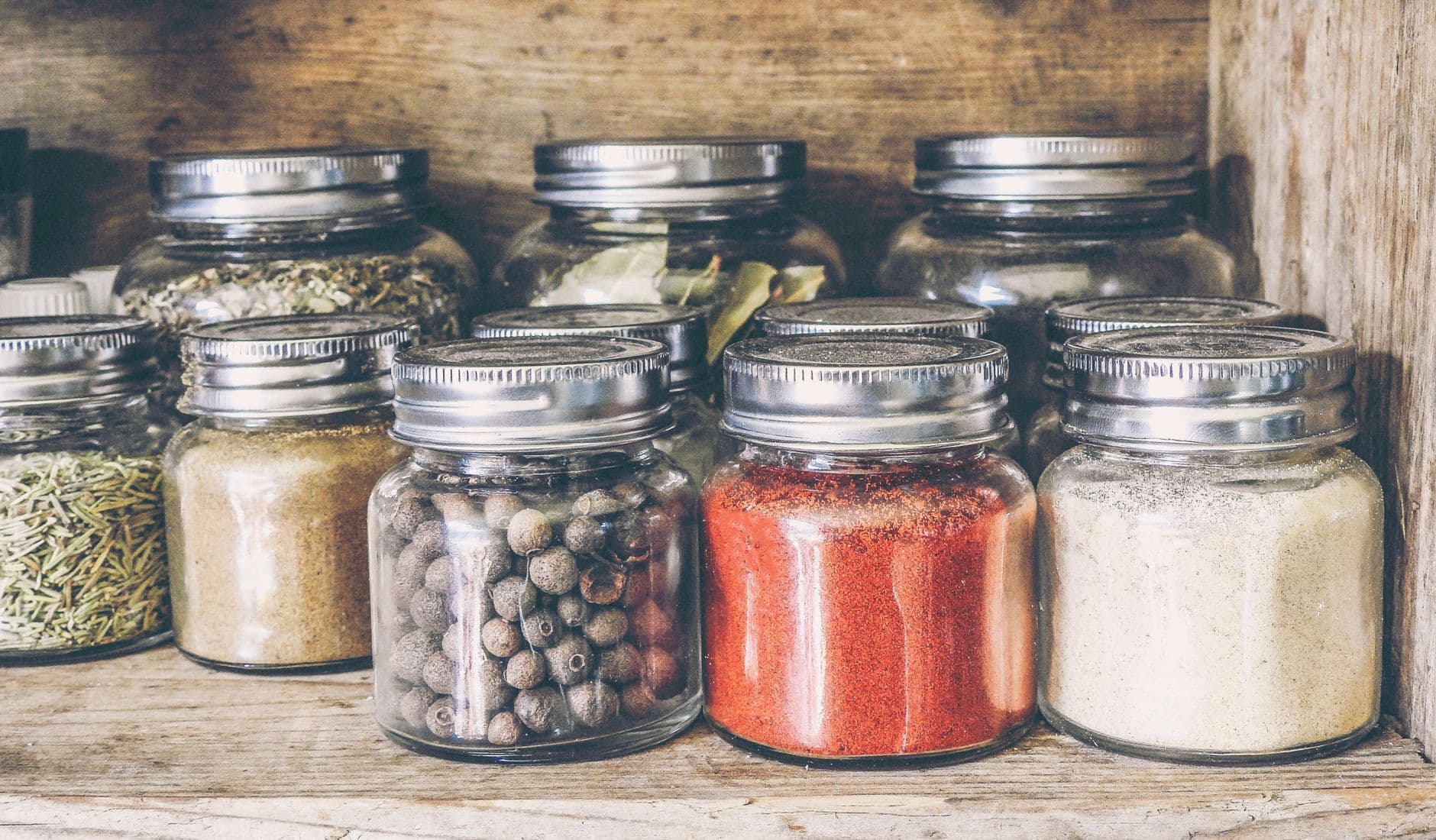
Stale, faded spices are a quiet culprit behind lackluster home cooking, but dumping every jar after the 'best by' date is wasteful and expensive. This troubleshooting guide untangles when to keep, toss, or revive what’s on your shelf—so you can refresh your spice jars for peak flavor without unnecessary waste. From easy sniff tests to strategies for using up older spices, we’ll help you make the most of every pinch, safely and sensibly.
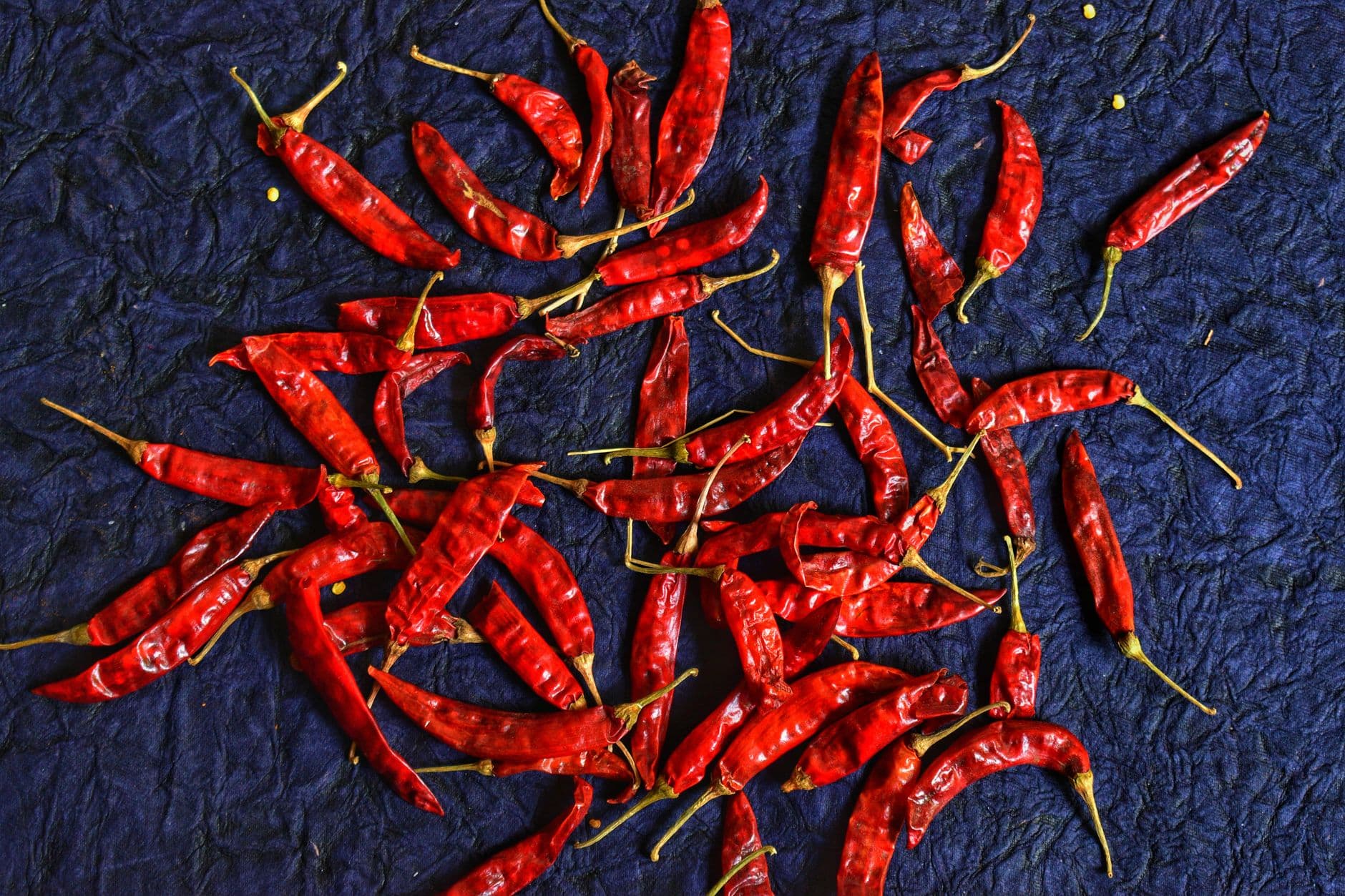
The unpredictable fire of dried chilies can turn a weeknight meal into a culinary gamble. Too much and dinner is a dare; too little, and the dish falls flat. Learning to wield dried chili cooking with confidence isn’t about memorizing Scoville numbers or buying specialty gadgets—it’s about understanding how to coax reliable heat and flavor from these pantry staples, with practical steps that fit into real home kitchens. Here’s how to turn dried chilies from a wild card into an ingredient you can count on, with tips for storage, preparation, and food safety.
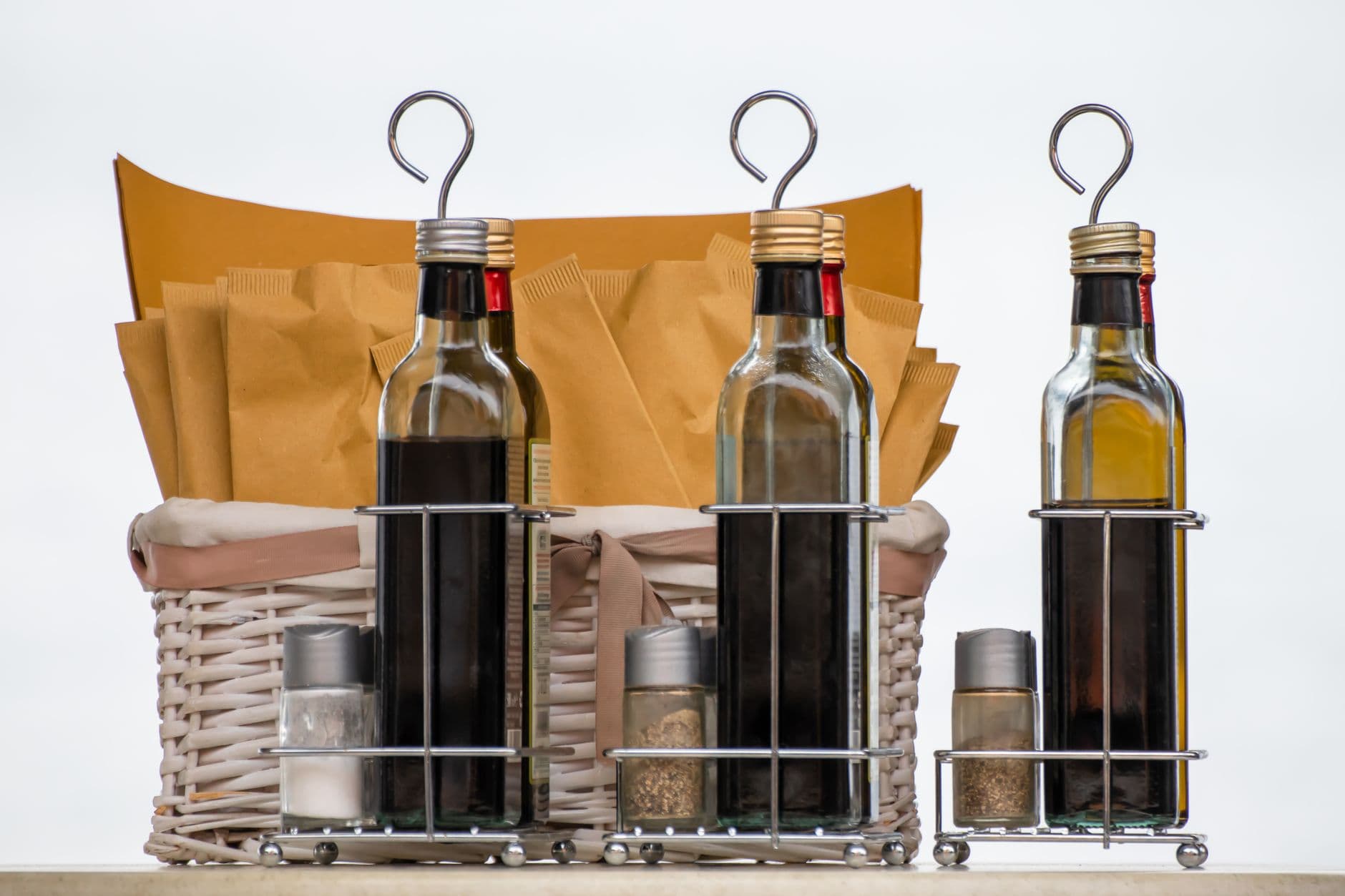
You reach for vinegar when making vinaigrette, but the bottle lingers in the pantry, half-used, as if waiting for a purpose beyond salad. In reality, vinegar is a quiet workhorse for home cooks, lending brightness, balance, and even safety to a surprising number of weeknight kitchen moments. This article follows a realistic evening’s cooking, showing where vinegar can unlock flavor, help with food safety, and even rescue a dish gone sideways—no chef credentials required.
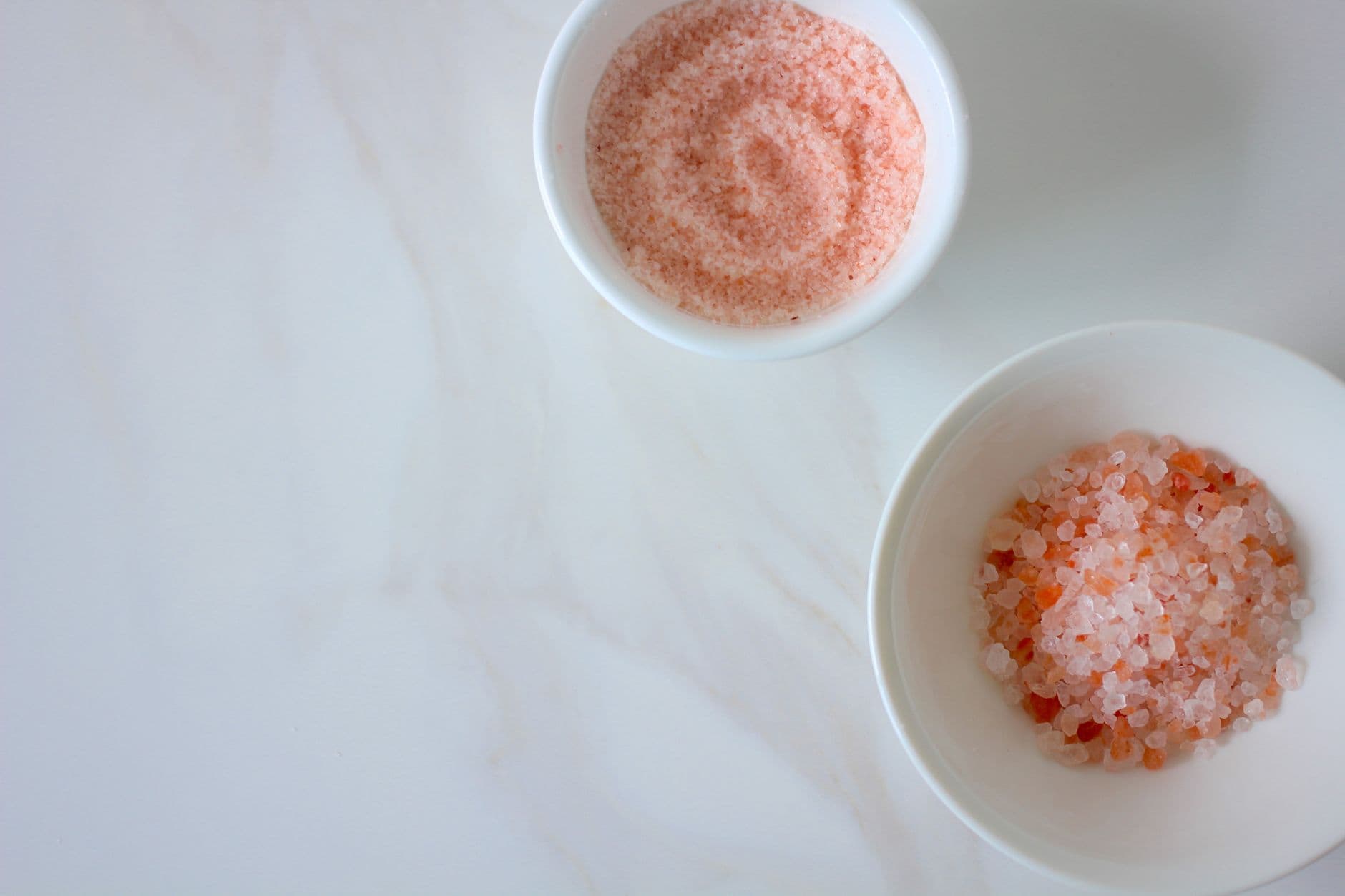
You’re halfway through a recipe and the instructions call for “salt”—but which kind? The difference between kosher, table, and flaky salt isn’t just about texture or price. How you use them shifts the way flavors develop, how ingredients behave, and even how safely you prepare your meal. This evening-in-the-kitchen narrative explores the practical realities of choosing between types of salt for cooking, from seasoning pasta water to finishing a roast, and offers grounded advice to help you navigate the most common salt decisions at home.