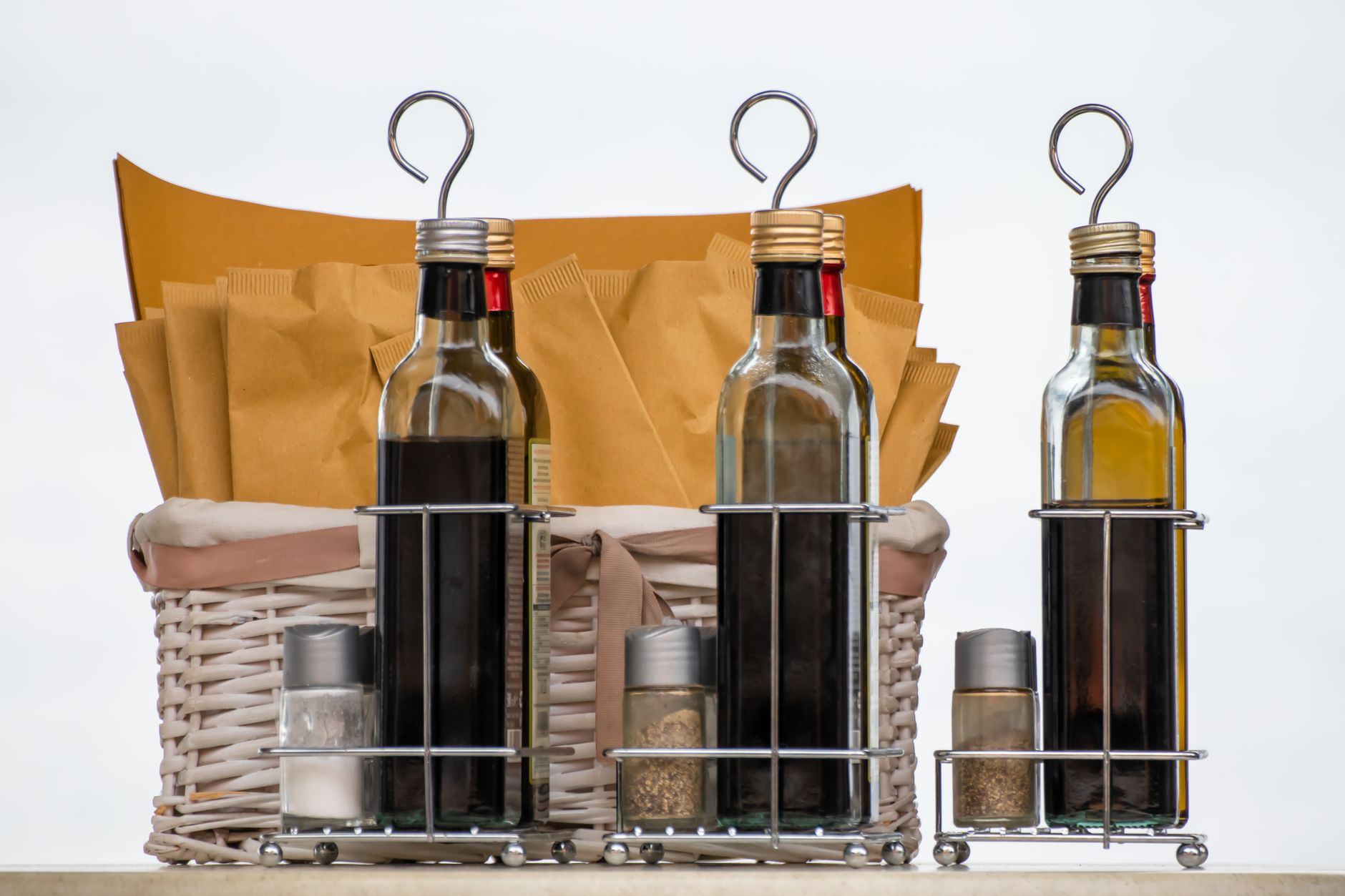
You reach for vinegar when making vinaigrette, but the bottle lingers in the pantry, half-used, as if waiting for a purpose beyond salad. In reality, vinegar is a quiet workhorse for home cooks, lending brightness, balance, and even safety to a surprising number of weeknight kitchen moments. This article follows a realistic evening’s cooking, showing where vinegar can unlock flavor, help with food safety, and even rescue a dish gone sideways—no chef credentials required.
It’s 6:45 PM. You’re standing in the kitchen, staring at sautéed chicken and a pan of roasted vegetables. Everything smells good, but a taste test says otherwise: the flavors feel flat, the chicken a bit dry, and the vegetables could use a lift. Before you reach for more salt or another pat of butter, consider the bottle of vinegar—likely shelved behind oils and spices, waiting for its moment. Cooking with vinegar isn’t just about salad dressings; it’s about finding brightness, balance, and, sometimes, a fix for a cooking misstep.
The evening kitchen is a place of improvisation. Sometimes, even with careful planning, a dish doesn’t quite sing. This is when a splash of vinegar can change the trajectory of dinner. The acidity in vinegar doesn’t just add sourness; it can amplify other flavors, cut through richness, and restore a sense of freshness that heavy, cooked foods sometimes lack. Whether it’s a drizzle over a finished dish or a few drops stirred into a sauce, vinegar is often the missing puzzle piece.
Brightening Roasted Vegetables
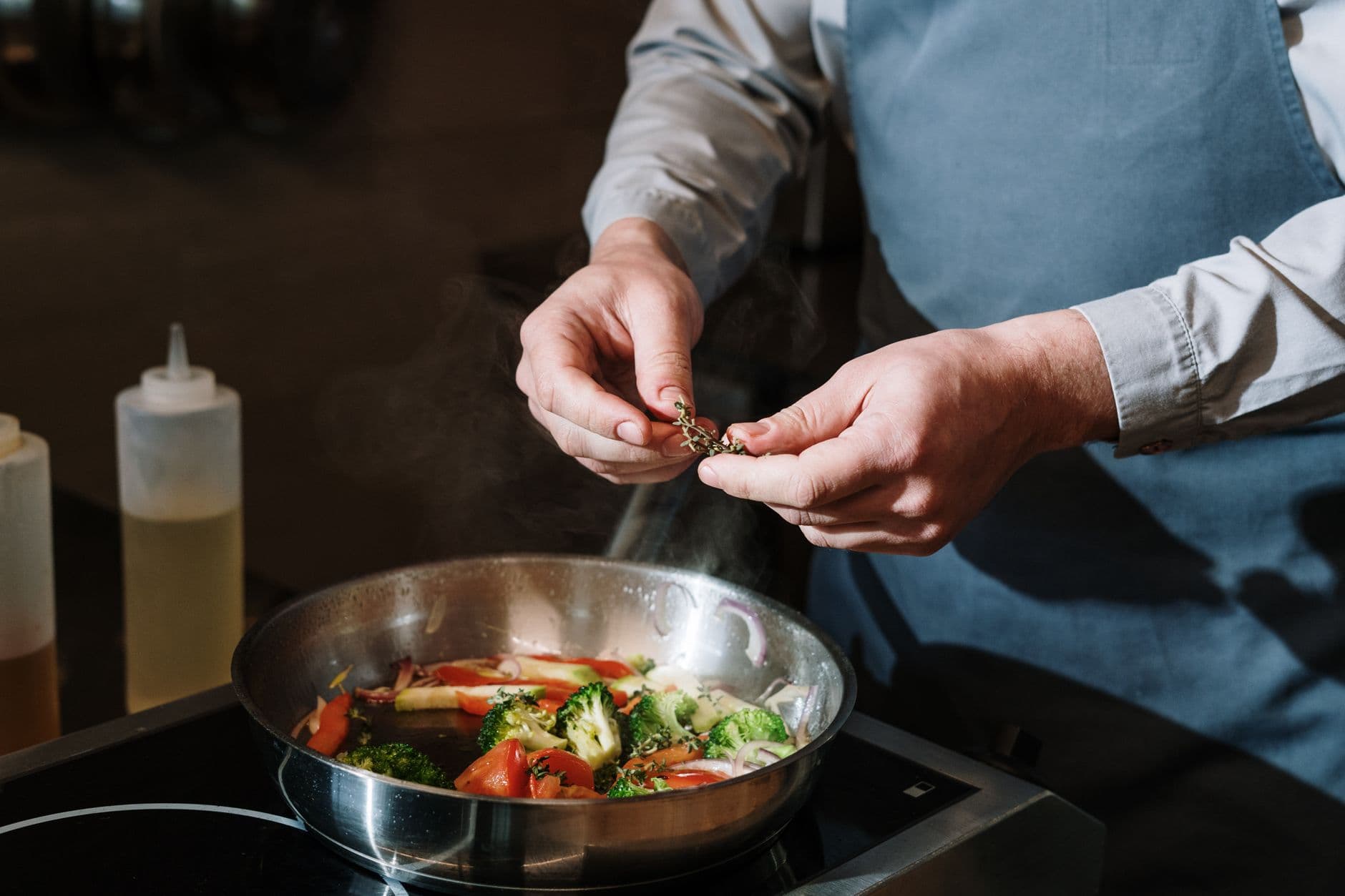
Roasted vegetables, especially root varieties, can go from hearty to heavy without a touch of acidity. A splash of vinegar—whether apple cider, sherry, or even a basic white—added in the last few minutes of roasting transforms their flavor. It doesn’t take much: drizzle a teaspoon or two over the tray and toss. The acidity wakes up the natural sweetness and cuts through any oiliness.
If you’re prepping produce, always wash thoroughly under running water, as vinegar is not a substitute for proper cleaning. Scrubbing firm produce with a clean brush and drying with a paper towel helps remove dirt and potential contaminants. Leafy greens should be separated and rinsed leaf by leaf. For best practices on washing and handling fruits and vegetables, see the U.S. FDA’s guidance: https://www.fda.gov/food/buy-store-serve-safe-food/selecting-and-serving-produce-safely.
After roasting, a quick toss with vinegar and perhaps a pinch of flaky salt can make even yesterday’s limp carrots or parsnips taste new. This trick works with nearly any vegetable: Brussels sprouts, broccoli, cauliflower, and even sweet potatoes all benefit from a little acidity. The result is a side dish that feels lively, not leaden.
Deglazing the Pan for a Quick Sauce
After searing chicken or pork, the browned bits left behind are a flavor goldmine. Pouring in a splash of vinegar (with or without wine or broth) and scraping the pan loosens those caramelized fragments, creating the base of a quick pan sauce. This technique, called deglazing, is a classic way to add depth with minimal effort. Vinegar alone or blended with stock gives a tangy backbone, balancing out richness.
To build a basic sauce, add vinegar to the hot pan after removing the protein, scraping up the fond with a wooden spoon. Let it simmer for a minute or two, then swirl in a pat of butter or a spoonful of mustard for body. The resulting sauce can be poured over the cooked meat or vegetables. This approach works with any vinegar—red wine, white wine, apple cider, or even balsamic for a sweeter note. The acidity not only lifts the flavor but also helps dissolve stuck-on bits, making cleanup easier.
Deglazing is also a practical way to avoid wasting flavor. Instead of letting those browned bits go down the drain during washing, they become the highlight of the meal. For a more detailed look at deglazing, see /posts/deglazing-pan-home-cooks.
Fixing a Bland or Oversalted Soup
If your soup tastes dull—or if you’ve gone heavy-handed with the salt—vinegar can restore balance. Add it drop by drop, stirring and tasting as you go. A few drops of red wine or rice vinegar can bring out hidden flavors and counteract saltiness. The key is restraint: too much vinegar overpowers, but just enough adds clarity. This trick works especially well with bean soups, stews, and even tomato sauces.
Acidic ingredients like vinegar can also help round out the flavor of slow-cooked dishes, which sometimes lose their brightness after hours on the stove. A splash of vinegar at the end of cooking can make lentil soup, chili, or beef stew taste more vibrant. This technique is especially handy when reheating leftovers, as flavors tend to dull in the fridge.
Marinades: Tenderizing and Flavoring Proteins
Vinegar is a classic base for marinades, used to tenderize meats and infuse them with flavor. Mixed with herbs, garlic, salt, and oil, it helps break down protein fibers and carries aromatics into the food. The trick is not to marinate proteins too long—an hour or two for chicken or pork is plenty, or the acid can make them mushy. Always marinate in the refrigerator, never at room temperature, to keep food out of the danger zone (40°F–140°F) where bacteria multiply rapidly. For safe marinating and storage times, refer to FoodSafety.gov’s cold food storage charts: https://www.foodsafety.gov/food-safety-charts/cold-food-storage-charts.
When planning ahead, it’s important to thaw proteins safely. The USDA recommends thawing in the refrigerator, in cold water (changing the water every 30 minutes), or in the microwave if cooking immediately afterward. Never thaw meat on the counter, as this can allow harmful bacteria to multiply. Vinegar-based marinades can be added after safe thawing, not before. For more on thawing, see: https://www.fsis.usda.gov/food-safety/safe-food-handling-and-preparation/food-safety-basics/big-thaw-safe-defrosting-methods.
Marinades with vinegar also work for tofu, tempeh, or hearty vegetables. Just remember to keep all marinating foods cold and use a non-reactive container (glass, ceramic, or food-safe plastic) to avoid unwanted flavors or chemical reactions.
Homemade Condiments and Quick Pickles
If you’ve got an extra half-cucumber, a few radishes, or some red onion, you can make a quick pickle with vinegar, water, salt, and sugar. Slice your vegetables, pour over a hot brine, and let them sit while you finish cooking. These pickles add crunch and brightness to sandwiches, grain bowls, or tacos. For homemade mayo or aioli, a dash of vinegar stabilizes the emulsion and sharpens flavor. Always use clean utensils and containers to avoid cross-contamination. For more on safe kitchen habits, see the U.S. Food and Drug Administration’s advice: https://www.fda.gov/food/buy-store-serve-safe-food/food-safety-your-kitchen.
Quick pickles are a flexible solution for odds and ends in the produce drawer. The brine can be flavored with peppercorns, garlic, dill, or mustard seeds. Letting the vegetables sit for just 20–30 minutes yields a crunchy, tangy topping. For longer storage, keep pickles refrigerated and use within a week. When making condiments like mayonnaise, always use pasteurized eggs or egg products to reduce the risk of foodborne illness. Clean hands and surfaces before and after handling raw eggs or produce.
Vinegar also appears in homemade ketchup, barbecue sauce, and hot sauce. Its acidity acts as a preservative and flavor enhancer, making these condiments taste brighter and last longer in the fridge.
Saving Leftovers with a Vinegar Kick
Leftovers sometimes lose their spark in the fridge. When reheating, try stirring in a splash of vinegar to revive flavor—especially for grains, roasted meats, or cooked greens. If you’re storing leftovers, cool them quickly and refrigerate within two hours to prevent bacterial growth. Reheat to at least 165°F before eating. For full guidance on cooling, storing, and reheating leftovers safely, consult the USDA FSIS resource: https://www.fsis.usda.gov/food-safety/safe-food-handling-and-preparation/food-safety-basics/leftovers-and-food-safety.
To cool leftovers quickly, divide large portions into shallow containers. Label with the date and use within three to four days, or freeze for longer storage. When reheating, check that the food is steaming hot throughout. If using a microwave, stir halfway through to ensure even heating. Vinegar can help mask the staleness that sometimes develops in stored foods, making last night’s meal feel fresh again.
Pairing Vinegar with Oils for Cooking
Vinegar and oil aren’t just for salad. A splash of vinegar in a pan of sautéing greens or beans, especially when combined with a high-smoke-point oil, creates a quick side dish with depth. This combination works well with kale, chard, spinach, or even canned beans. Start by heating oil, add the vegetables, and once wilted or warmed through, finish with a dash of vinegar. The result is a dish that feels complete, not greasy or bland.
Vinegar can also be used to season cooked grains like rice, farro, or barley. A drizzle of vinegar and oil, plus some chopped herbs, turns a plain pot of grains into a flavorful base for bowls or salads. The acidity brightens the flavor and helps balance richer toppings like cheese, nuts, or roasted meats.
Cleaning Up: Vinegar’s Non-Food Uses
While not a food safety substitute for soap and hot water, vinegar can be used for cleaning counters and cutting boards after cooking. However, for sanitizing surfaces that have touched raw meat, the U.S. Food and Drug Administration recommends using hot, soapy water and, if necessary, a diluted bleach solution—not just vinegar. Always separate raw and cooked foods, and keep kitchen tools clean to prevent cross-contamination. For more, refer to: https://www.fda.gov/food/buy-store-serve-safe-food/food-safety-your-kitchen.
Vinegar can help remove mineral deposits from kettles and coffee makers, and it’s useful for deodorizing the fridge or microwave. Just remember that while vinegar is a good general-purpose cleaner, it doesn’t kill all bacteria and viruses. For true sanitizing, especially after handling raw poultry or meat, stick to FDA-recommended cleaning methods. Drying surfaces with a clean towel after washing helps prevent bacterial growth.
Charlotte Flynn writes FeedsAtlas guides to pantry staples and culinary traditions. The pieces map techniques and ingredients so home cooks can understand a method, not a restaurant visit.
You’re standing at your stove, pan heating up, and suddenly your oil starts smoking—long before your vegetables hit the skillet. The internet is full of charts and rules about cooking oil smoke point, but most home cooks don’t need a chemistry degree to avoid burnt oil or bitter flavors. Instead, let’s troubleshoot the real failure modes you’ll encounter, cut through the hype, and help you make practical oil choices for everyday home cooking.
Every home cook eventually faces the canned vs fresh tomatoes dilemma. Whether you’re simmering a sauce or topping a pizza, the decision isn’t just about flavor—it’s about practicality, safety, and the way tomatoes transform in heat. This article walks through the real-world factors that tip the scales in favor of canned tomatoes, and when fresh truly shines, all grounded in the needs and rhythms of a home kitchen.
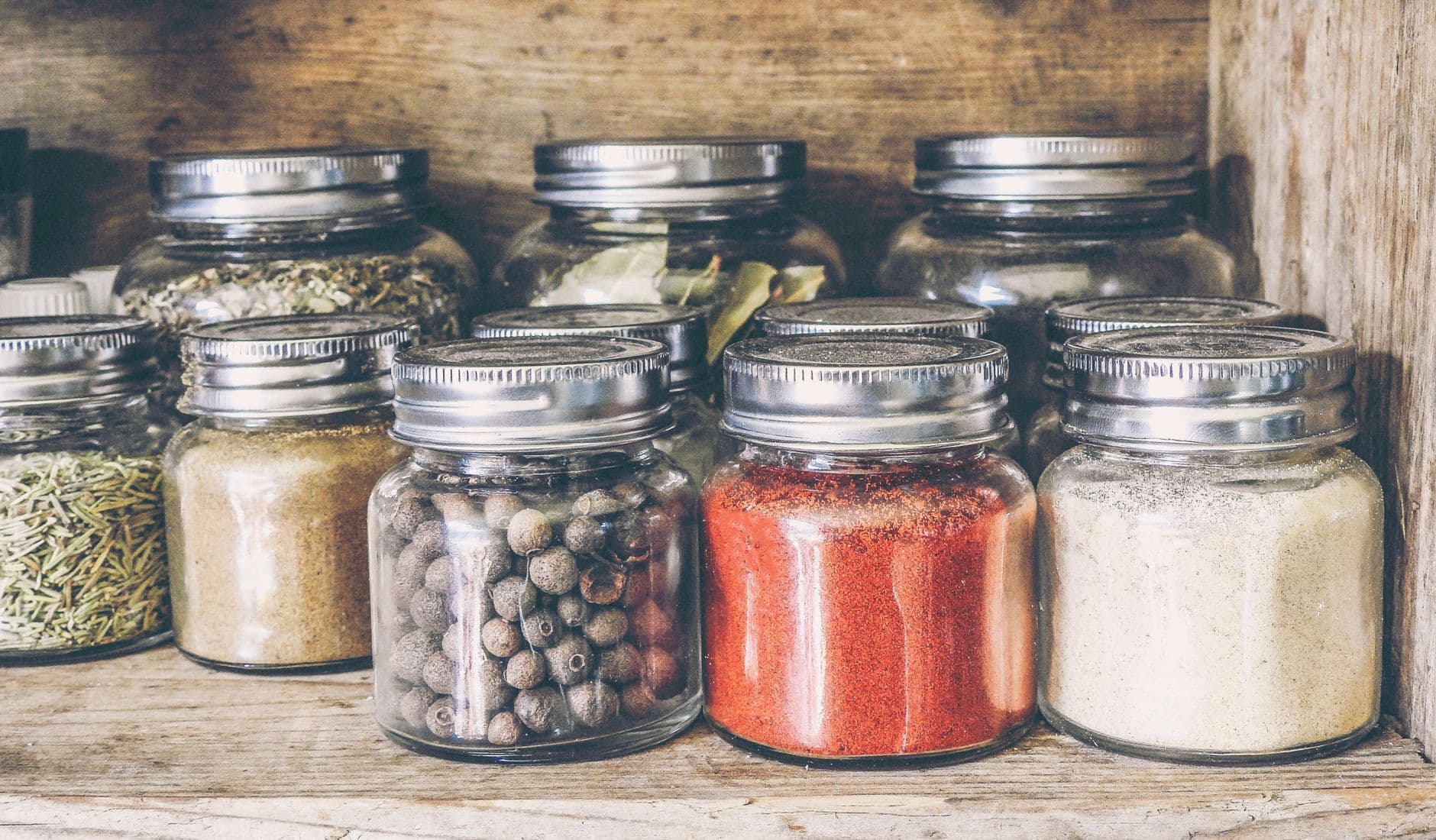
Stale, faded spices are a quiet culprit behind lackluster home cooking, but dumping every jar after the 'best by' date is wasteful and expensive. This troubleshooting guide untangles when to keep, toss, or revive what’s on your shelf—so you can refresh your spice jars for peak flavor without unnecessary waste. From easy sniff tests to strategies for using up older spices, we’ll help you make the most of every pinch, safely and sensibly.
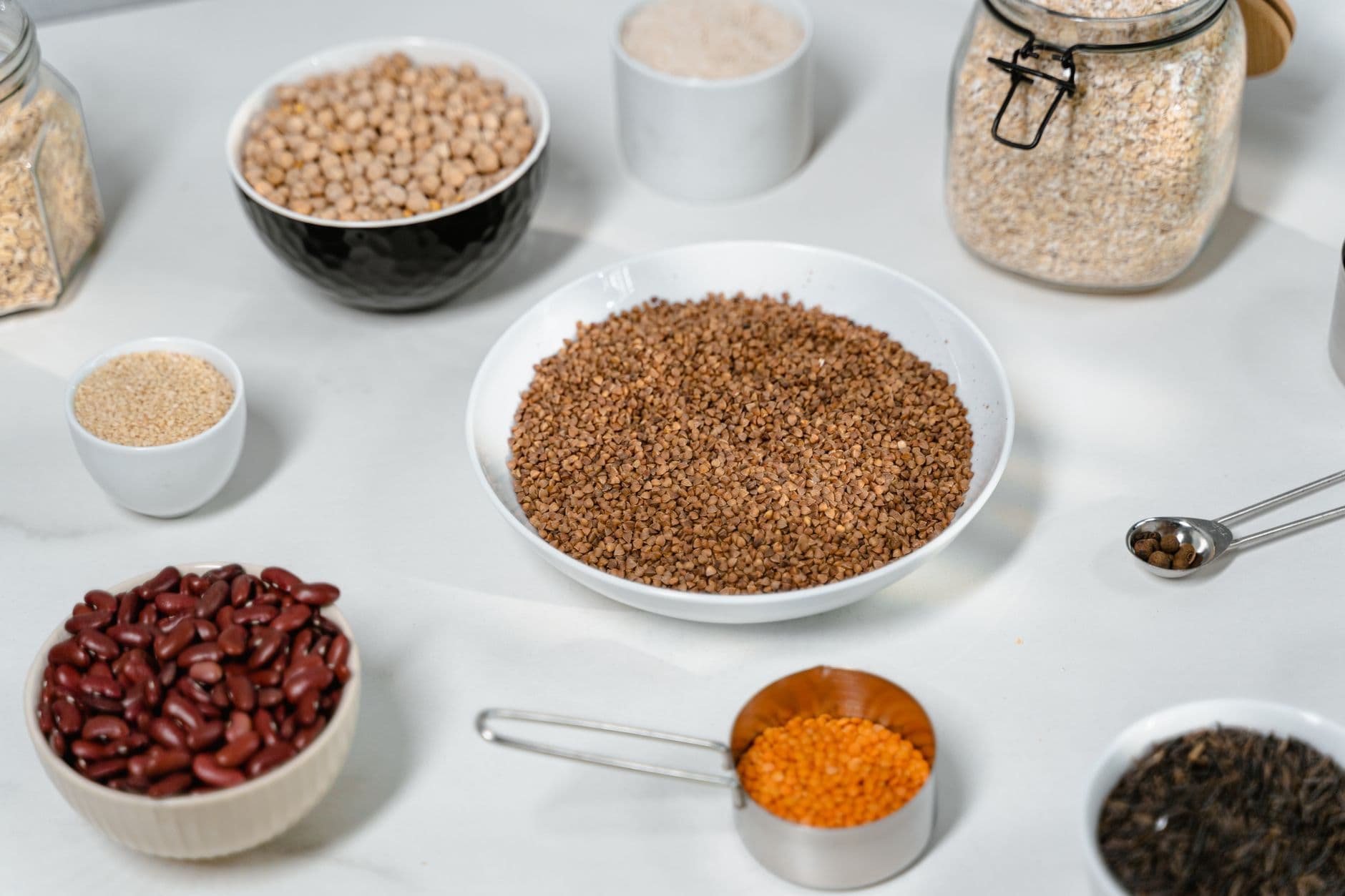
Staring at a bag of dried beans, you might wonder: Do I really need to soak these, or can I just cook them straight from the pantry? The answer can shape your dinner timeline, the texture of your beans, and even how you store leftovers. Here’s a practical guide to when soaking matters, when it doesn’t, and how to keep food safety and flavor in mind at every step.
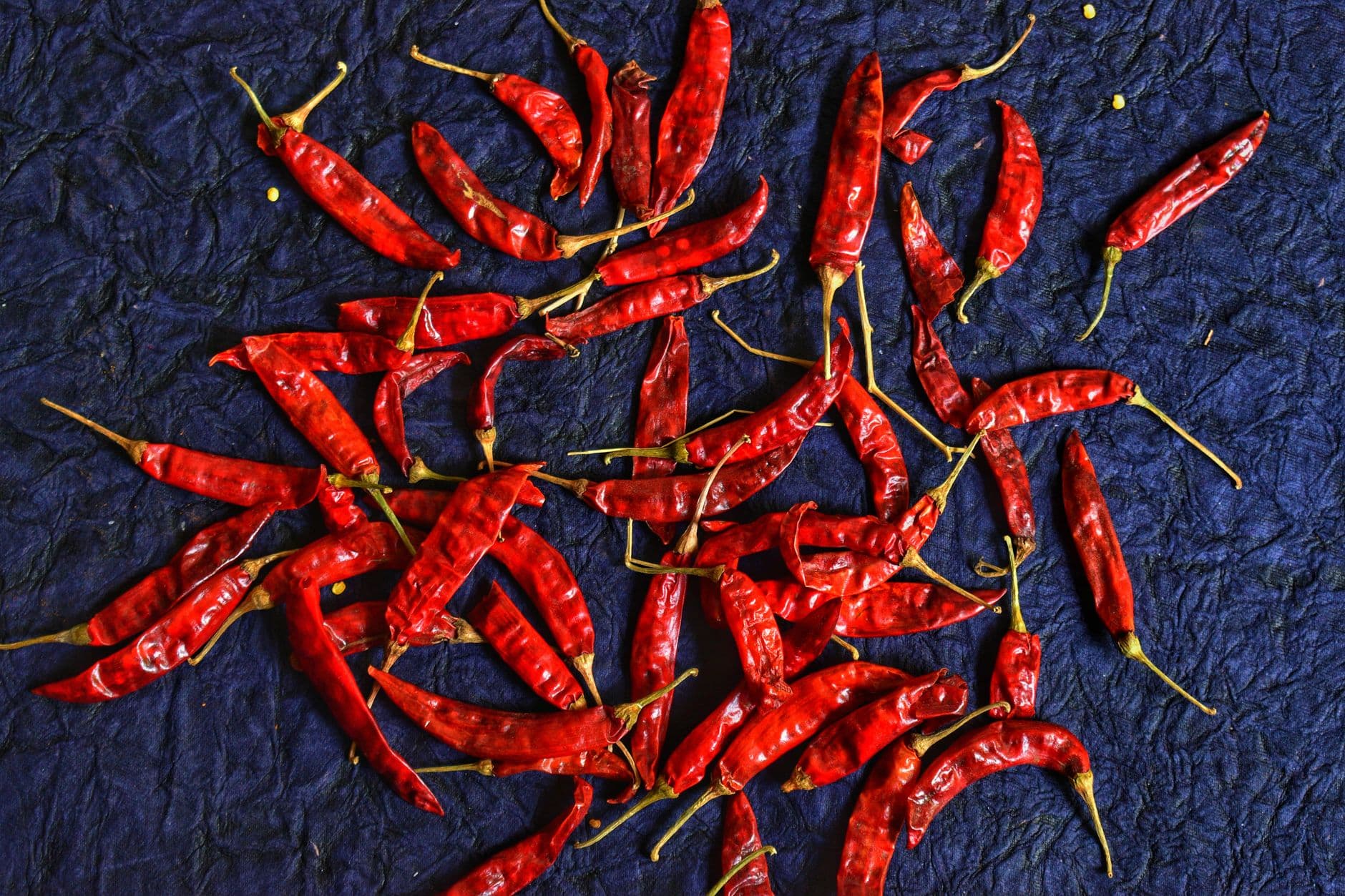
The unpredictable fire of dried chilies can turn a weeknight meal into a culinary gamble. Too much and dinner is a dare; too little, and the dish falls flat. Learning to wield dried chili cooking with confidence isn’t about memorizing Scoville numbers or buying specialty gadgets—it’s about understanding how to coax reliable heat and flavor from these pantry staples, with practical steps that fit into real home kitchens. Here’s how to turn dried chilies from a wild card into an ingredient you can count on, with tips for storage, preparation, and food safety.
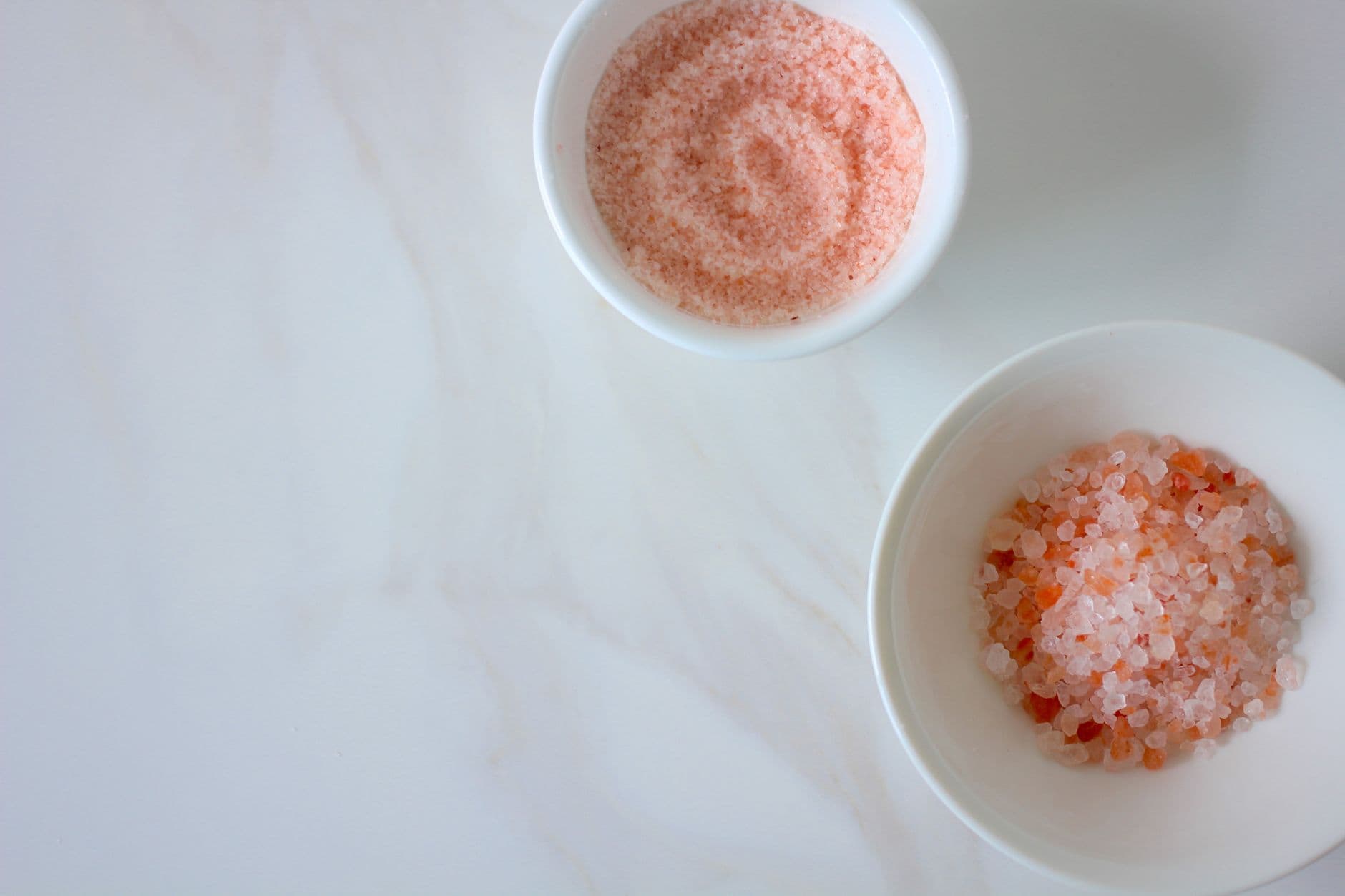
You’re halfway through a recipe and the instructions call for “salt”—but which kind? The difference between kosher, table, and flaky salt isn’t just about texture or price. How you use them shifts the way flavors develop, how ingredients behave, and even how safely you prepare your meal. This evening-in-the-kitchen narrative explores the practical realities of choosing between types of salt for cooking, from seasoning pasta water to finishing a roast, and offers grounded advice to help you navigate the most common salt decisions at home.