You open the fridge, spot a container of cold rice, and wonder whether it’s destined to languish or can become dinner. The answer isn’t just about what you crave—it’s about food safety, timing, and what else you have on hand. This guide walks through the main ways to transform leftover rice into a full meal, with practical advice on when to choose each method, how to keep things safe, and how to make the most of your pantry. From speedy fried rice to simmered soups and hearty casseroles, here’s how to make leftover rice dinner-worthy.
Before considering any transformation for leftover rice, the most important decision is whether it’s still safe to eat. According to the USDA and FDA, cooked rice should be refrigerated within two hours of cooking and stored in a shallow, covered container to cool quickly and evenly. The maximum safe storage time in the refrigerator is three to four days at 40°F or below. If the rice has been left out longer than two hours or is older than four days, it’s best to discard it. Rice is particularly susceptible to Bacillus cereus, a bacterium that can survive cooking and multiply rapidly at room temperature, causing foodborne illness. If the rice smells sour, feels slimy, or has any visible mold, it should be thrown away immediately. Even if it looks and smells fine, sticking to the recommended time limits is the safest bet. For more on safe storage times and reheating, refer to the USDA’s guidance on leftovers.
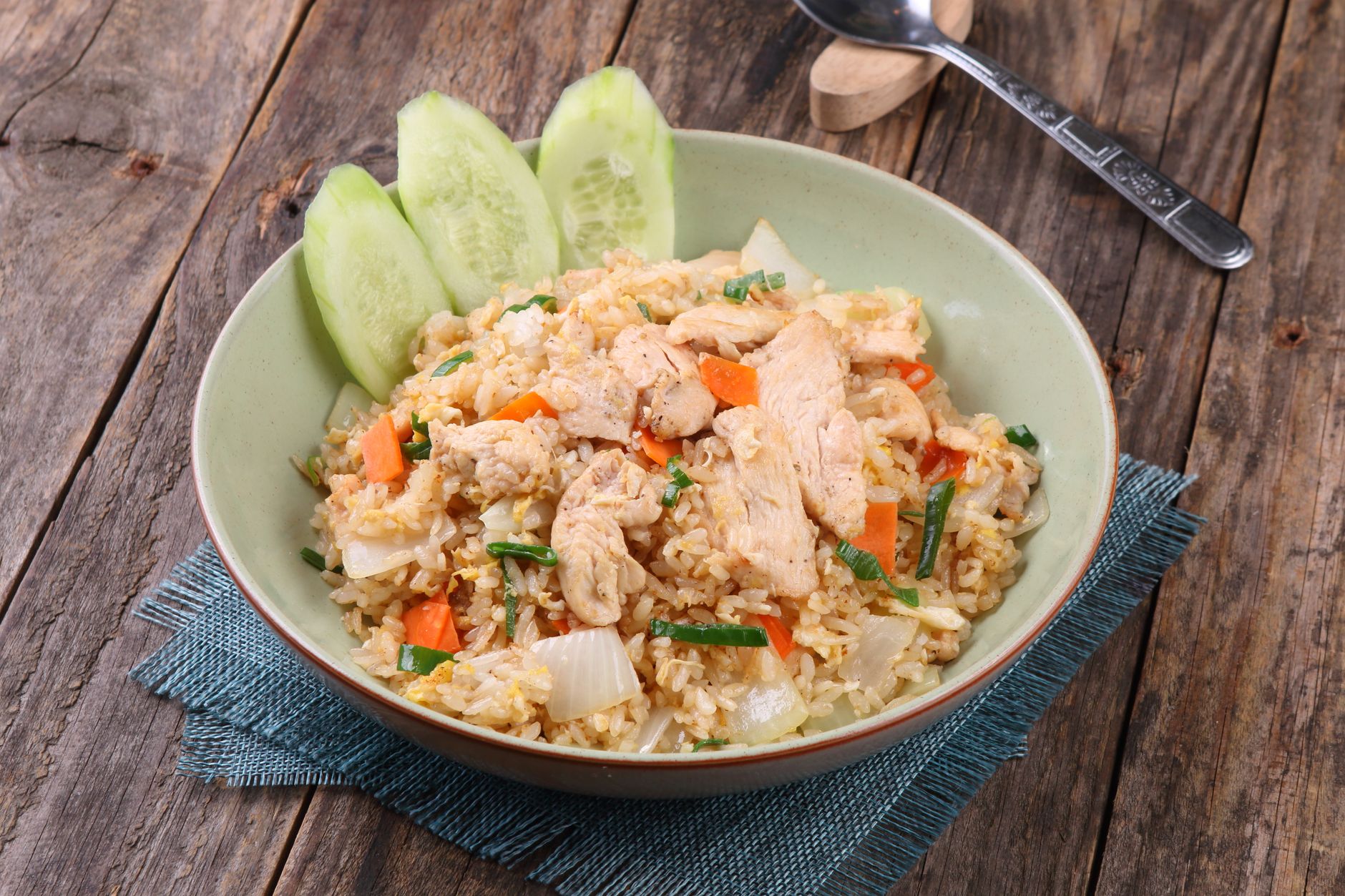
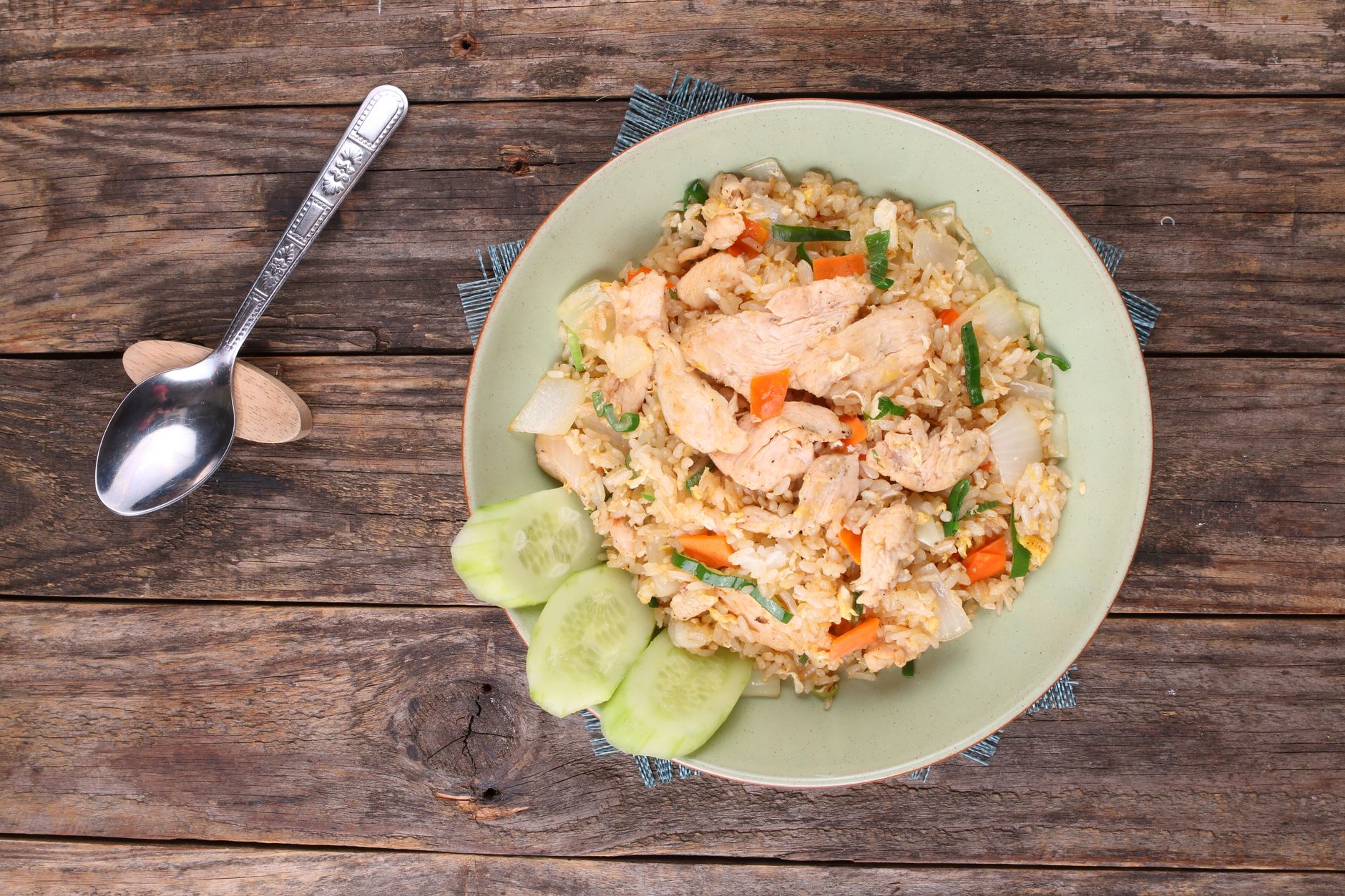
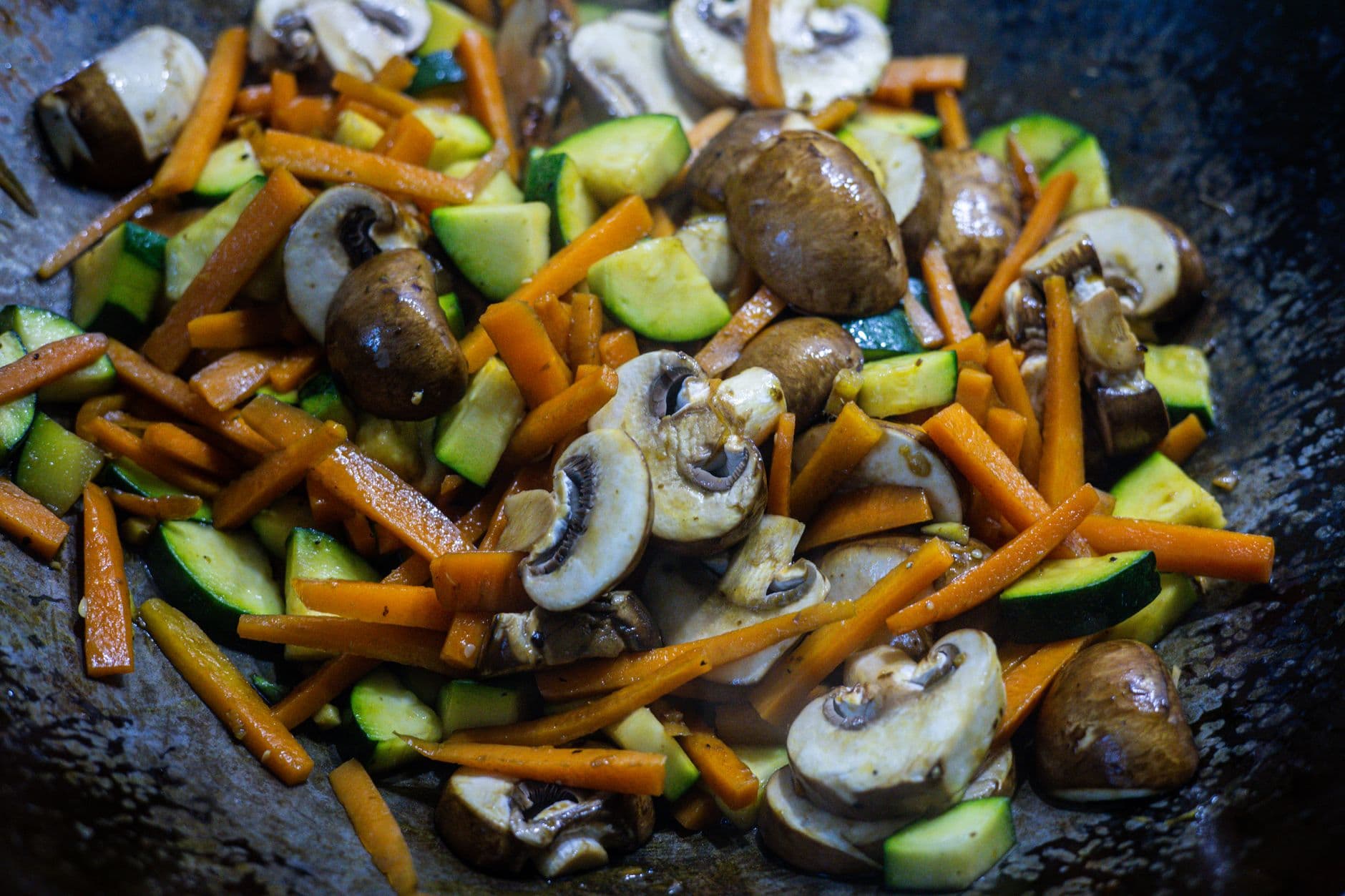
When a fast dinner is the goal and the rice is less than four days old, stir-frying is often the most efficient and satisfying approach. Day-old rice, especially if it’s been chilled uncovered for a bit, tends to have drier, separated grains that don’t turn mushy under high heat. This makes it ideal for fried rice or stir-fried rice bowls. Stir-frying is also a practical choice when you have a handful of vegetables, bits of leftover protein (such as cooked chicken, shrimp, pork, or tofu), and a few pantry staples like soy sauce or sesame oil. The process is quick: heat oil in a large skillet or wok, add vegetables and proteins, then toss in the rice and seasonings. Everything should be cooked until piping hot. According to the USDA, all leftovers—including rice and any added proteins—should reach an internal temperature of at least 165°F. Use a food thermometer to check if unsure. This method is best when time is short (20 minutes or less), the rice is fluffy, and you want to avoid heating up the oven. If the rice is very dry or clumped, sprinkle a little water over it before stir-frying to help revive the texture.
Decision 2: Soups and Stews—When to Simmer
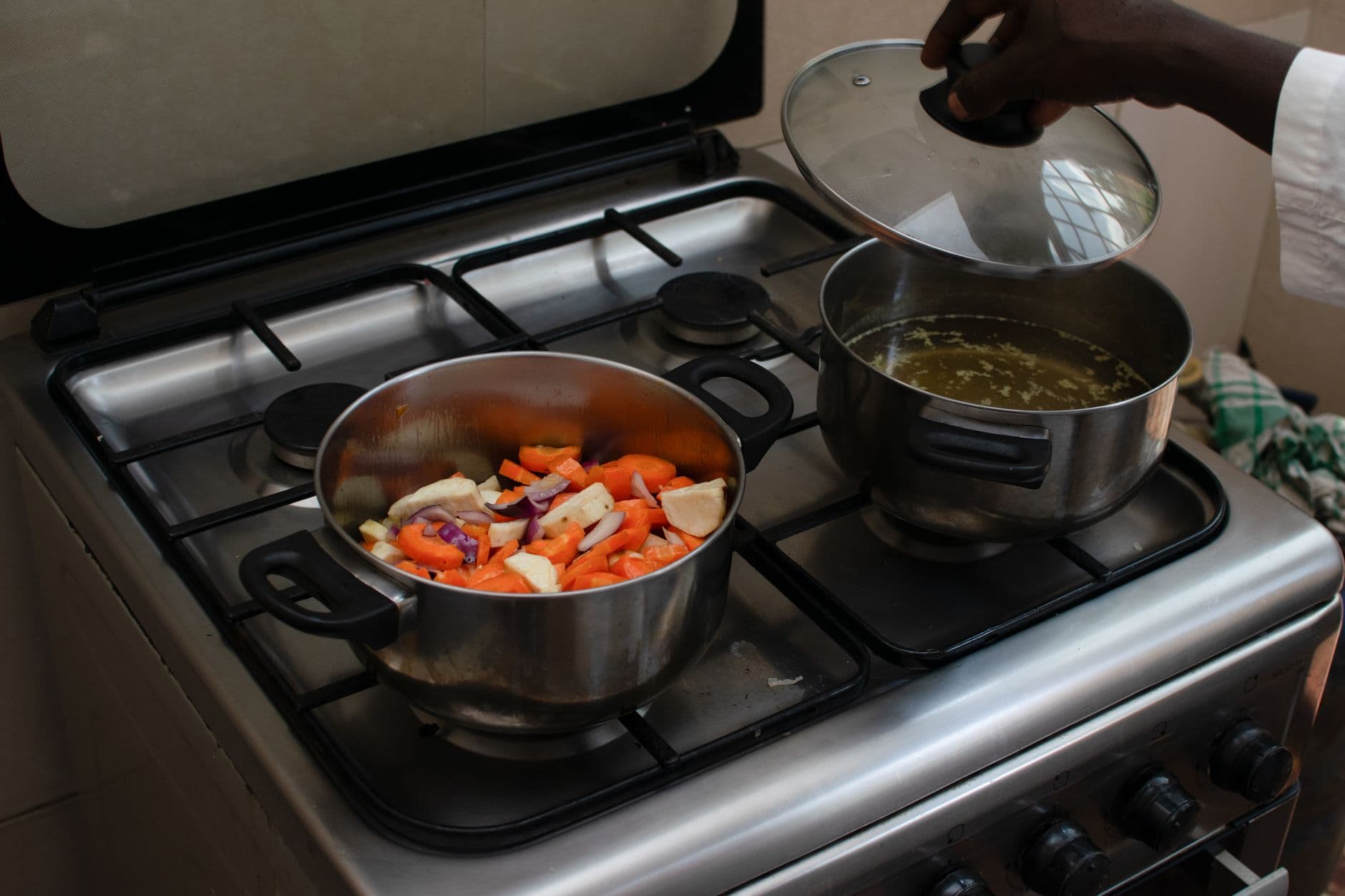
If the rice is on the dry or chewy side, or if a warming, comforting meal is what you need, soup or stew is a smart choice. Rice adds body and substance to brothy soups and thick stews, making them more filling and stretching small amounts of protein or vegetables into a full meal. This method excels when you have leftover roasted vegetables, beans, or small amounts of cooked meat. Start by simmering your broth or base with vegetables and proteins, then stir in the rice during the last 5–10 minutes of cooking. This prevents the rice from breaking down too much and keeps the grains intact. The USDA recommends that all parts of the soup, including the rice, reach at least 165°F before serving. Soups are especially forgiving if the rice is a little past its prime in texture, as the liquid helps rehydrate it. Choose this method when you crave something cozy, want to use up odds and ends from the fridge, or need to stretch a meal for more people.
Decision 3: Oven-Baked Casseroles for Bulk and Batch Cooking
When there’s a large quantity of leftover rice or a need to feed several people, oven-baked casseroles are a reliable solution. The oven’s gentle, even heat rehydrates rice and melds flavors, making it possible to combine almost anything on hand: cooked vegetables, canned beans, cheese, tomato sauce, or leftover meats. Layer ingredients in a baking dish, add some liquid (like broth, tomato sauce, or a creamy base), and cover tightly with foil to trap steam and prevent the rice from drying out. Bake at 350°F until the casserole is hot and bubbling in the center—use a food thermometer to check that the internal temperature reaches 165°F. This approach is ideal for bulk cooking, meal prep, or when you want a hands-off dinner that can be assembled ahead of time. Casseroles also help disguise rice that’s a bit dry or clumpy, as the added moisture and flavors blend everything together. Choose this method when you want leftovers for lunch the next day or need to clear out the fridge in one go.
When to Make Rice Patties or Fritters
Sticky or clumpy rice, especially in small amounts, is perfect for turning into savory patties or fritters. This method is especially useful when there’s just a cup or two of rice left—too little for a casserole, but enough for a meal. Mix the rice with a beaten egg, a spoonful of flour or breadcrumbs, and any chopped vegetables or herbs available. Pan-fry the mixture in a little oil until golden and crisp on both sides. This creates a dinner that’s snackable, portable, and pairs well with sauces or dips. For safety, ensure the patties are heated through to the center, and if adding leftover meats or seafood, make sure the mixture reaches 165°F. This option is best when you want something different from the usual rice dishes, or need a quick, hearty meal that doesn’t require turning on the oven.
When to Skip and Start Fresh
There are times when leftover rice simply isn’t safe to use, no matter how creative the recipe. If the rice smells off, is older than four days, or was left at room temperature for more than two hours, it’s safest to discard it. Bacillus cereus and other bacteria can multiply rapidly in cooked rice left unrefrigerated, and reheating does not always destroy the toxins they produce. Signs of spoilage include a sour or musty odor, slimy texture, or visible mold. Food safety guidelines from the University of Minnesota Extension and the FDA emphasize that no meal is worth risking foodborne illness. When in doubt, throw it out. If you’re unsure about the rice’s history or storage conditions, err on the side of caution and cook a fresh batch.
Proper storage and reheating are essential for making the most of leftover rice. Cool cooked rice quickly by spreading it in a thin layer in a shallow container and refrigerating within two hours. Store it tightly covered at 40°F or below. When reheating, use a microwave, stovetop, or oven, and always check that the internal temperature of the rice and any added ingredients reaches at least 165°F. Stir the rice partway through reheating to ensure even heating. Only reheat what you plan to eat; repeatedly cooling and reheating increases the risk of bacterial growth. If the rice has dried out, sprinkle with a little water and cover before reheating to help restore moisture. For more detailed storage and reheating tips, refer to the USDA and FDA guidelines.
Choosing Based on Texture and Amount
The right method for transforming leftover rice depends on both texture and quantity. Fluffy, separate grains are best for stir-fries, as they won’t clump or turn gummy. Drier or chewier rice, which can result from refrigeration, is well suited to soups or casseroles, where added liquid revives the grains. Small amounts of rice—just a cup or two—are ideal for patties, fritters, or even tossing into salads for extra bulk. When there’s a large batch, oven-baked casseroles or big pots of soup can stretch the rice into multiple meals. Texture can shift after chilling, so consider how the rice feels before deciding. If it’s hard or crunchy, a method with added moisture (like soup or casserole) will work best. For more on how rice texture changes after chilling, see food safety and rice handling resources.
Making the Most of Pantry and Fridge Staples
Transforming leftover rice into a complete dinner is as much about resourcefulness as it is about technique. The decision often comes down to what’s available in the pantry and fridge. A few eggs, a handful of frozen vegetables, or a can of beans can turn rice into a meal with minimal effort. Sauces and seasonings—soy sauce, hot sauce, curry paste, or salsa—add variety and help mask any staleness. Cheese, herbs, or citrus zest can brighten up casseroles or soups. When ingredients are limited, rice can be the base for grain bowls, topped with whatever proteins, veggies, or condiments are on hand. The flexibility of rice means that almost any combination can work, as long as food safety rules are followed. Assess what’s available, choose a method that fits the rice’s texture and amount, and aim for a balance of protein, vegetables, and flavor to create a satisfying dinner.
Jordan Mitchell leads FeedsAtlas coverage of weeknight cooking. The work focuses on clear methods, realistic timing, and meals that fit an ordinary evening without restaurant recaps or chef-speak.
Home cooks love the promise of sheet-pan dinners: less mess, fewer pans, and (in theory) beautifully caramelized vegetables. Too often, though, the broccoli is soft and gray, the carrots limp, and everything tastes like it spent too long in a sauna. The culprit isn’t your oven—it’s usually a matter of timing, spacing, and water. Crowd the pan and vegetables steam; give them room and they brown, even on a weeknight.
Anyone who’s tried to toss spaghetti with a homemade sauce and ended up with a pool at the bottom of the bowl knows: weeknight pasta can go wrong in ways that feel unfair. One of the most common frustrations is a sauce that slides off the noodles instead of coating them. The fix—the strategic use of pasta water—sounds simple, but plenty of home cooks hit snags. Here’s how to make pasta water work for you, why it matters, and what to do when it doesn’t go as planned.
Every home cook faces the weeknight chicken dilemma: Should you reach for a skillet, a sheet pan, or a Dutch oven? The right one-pan chicken method can mean the difference between a crisp, flavorful dinner and a soggy, stressful mess. Here is how to choose a style for a reliable weeknight chicken dinner, avoid limp vegetables or overcooked meat, and handle leftovers safely.
Burgers are weeknight gold—quick to cook, satisfying, and endlessly customizable. But the question of doneness can turn a simple dinner into a guessing game. No one wants to serve a hockey puck, but undercooked beef is a real food safety risk. Instead of slicing open every patty and losing those precious juices, you can master burger doneness temperature with a few reliable kitchen moves. Here’s how to sequence your evening for juicy, safe burgers every time, without the second-guessing or mess.
Every home cook faces the weekly reckoning: a fridge with limp vegetables, last night’s roast chicken bones, and a handful of cooked rice or pasta destined for the compost bin. Transforming these odds and ends into a comforting, cohesive meal can feel daunting on a weeknight. But soup from scraps isn’t just a thrifty trick—done right, it’s a deeply practical, satisfying way to feed yourself and reduce waste. Here’s how to assess your leftovers, ensure food safety, and build soup that tastes intentional, not accidental.
A stir fry can be the hero of a busy weeknight—unless the prep gets away from you. Learn how a sharp mise en place not only saves dinner from singed garlic and limp vegetables, but lets you cook confidently at high heat. This walkthrough covers the real steps and decisions, from knife work to food safety, that turn a frantic scramble into a smooth, sizzling finish.