Using Pasta Water So a Weeknight Sauce Actually Clings
Jordan Mitchell··10 min read
Anyone who’s tried to toss spaghetti with a homemade sauce and ended up with a pool at the bottom of the bowl knows: weeknight pasta can go wrong in ways that feel unfair. One of the most common frustrations is a sauce that slides off the noodles instead of coating them. The fix—the strategic use of pasta water—sounds simple, but plenty of home cooks hit snags. Here’s how to make pasta water work for you, why it matters, and what to do when it doesn’t go as planned.
You finish boiling your pasta, pour on the sauce, and instead of a glossy, unified dish, you’ve got slick noodles sitting in a puddle. Home cooks often blame the sauce recipe, but the real culprit is usually how the pasta and sauce come together. Pasta water—the cloudy liquid left after boiling noodles—is a key player. It’s not just hot water: it’s starchy, salted, and primed to help your sauce cling. Yet, the details matter. Get them wrong, and your sauce still slides off. Even with a well-made sauce, the wrong handling of pasta water leads to a disappointing meal. This is a classic weeknight failure mode, and it’s more common than most realize. The good news: almost every aspect of this problem is fixable with a few tweaks to timing, technique, and food safety habits.
What Pasta Water Actually Does
As pasta cooks, it releases starch into the water. This starch acts as a gentle binder, helping sauce stick to noodles instead of slipping off. Salting the water also seasons the pasta from within, which is a flavor bonus. But if you forget to reserve some water before draining, or if your water is too thin or unsalted, you lose these benefits. The difference between a sauce that hugs every strand and one that sits at the bottom of the plate often comes down to how you handle your pasta water. The starch in the water is what helps emulsify fat and water in the sauce, creating a creamy, cohesive texture. Without enough starch, the sauce separates and slides off. With too much water or not enough salt, the flavor and texture both suffer. Understanding this chemistry is the first step toward fixing the most common pasta night letdowns.
Mistake #1: Draining All the Water (and the Starch)
The first and most common misstep is forgetting to save a cup of pasta water before draining. Once the pot is in the sink, there’s no going back. Without this starchy liquid, even the best sauce will struggle to coat your noodles. The quick fix: before you drain, dip a heatproof cup into the pot and reserve at least half a cup of water. If you’re making a larger batch or using a thick sauce, save a full cup. This habit solves most weeknight sauce issues before they start. A related failure mode: draining the pasta too early, then letting it sit in a colander while you scramble to finish the sauce. The noodles cool, the starch on their surface dries out, and the window for creating a creamy emulsion closes. The result is a sauce that won’t cling, no matter how much you toss.
Mistake #2: Not Salting the Water Enough
Pasta water should be well salted—enough that it tastes distinctly savory, but not like seawater. Under-salted water yields bland noodles, which no amount of sauce can fully rescue. If you’re unsure when to salt, add it right as the water comes to a boil, before the pasta goes in. Skipping this step is a silent saboteur: the pasta lacks flavor, and the water itself is less effective at seasoning and thickening the sauce. Another pitfall: using specialty salts or underestimating how much salt is needed for a large pot. For a pound of pasta, a tablespoon of kosher salt is a reliable starting point. If you’re cooking for someone on a sodium-restricted diet, you can reduce the salt, but expect to compensate with more assertive sauce seasoning.
Mistake #3: Adding Sauce to Dry Pasta
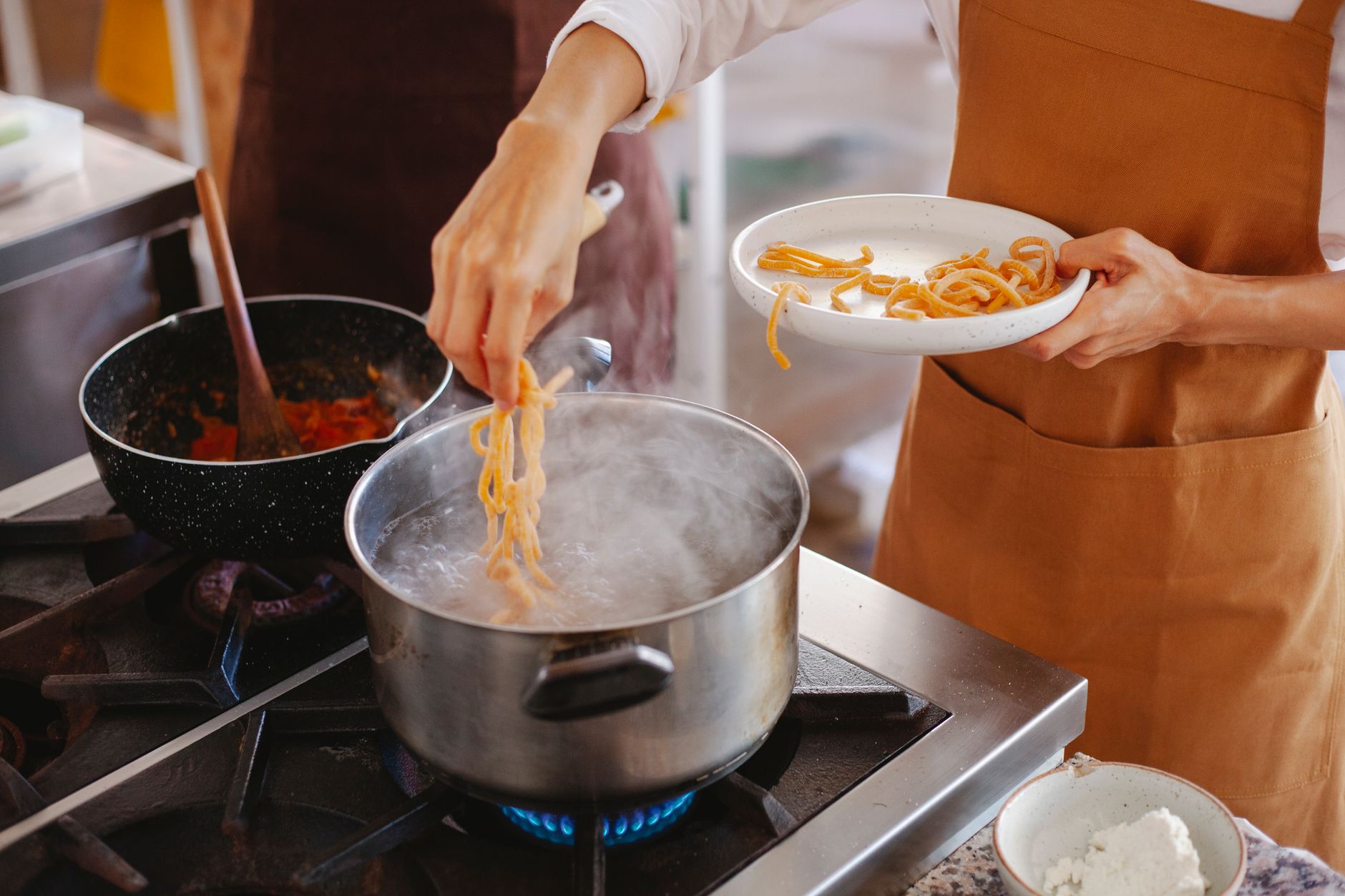
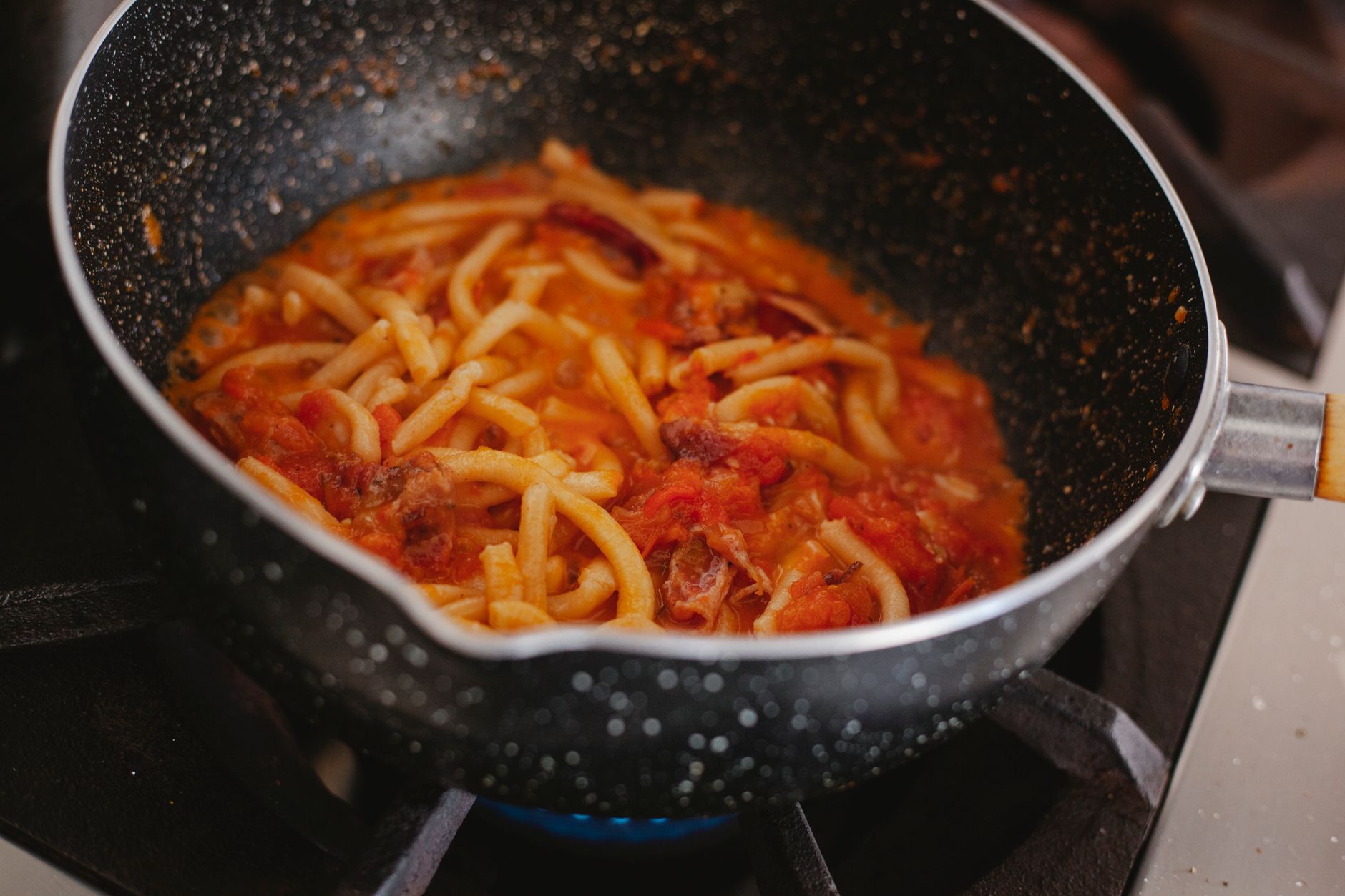
A classic error is draining pasta and letting it sit while you finish the sauce. Noodles left to dry get sticky and clump together, making it even harder for sauce to adhere. The solution: finish cooking the pasta for the last minute or two in the pan with the sauce, splashing in reserved pasta water as you go. This creates a starchy emulsion—the sauce thickens and clings, rather than separating. Another version of this mistake: pouring sauce over a plate of pasta instead of tossing them together in the pan. The sauce never has a chance to bind with the starch, and the result is a dish where the flavors remain separate. The fix is simple but requires a shift in workflow: always combine pasta, sauce, and a bit of pasta water in the pan, and toss until glossy.
Mistake #4: Using Too Much or Too Little Pasta Water
It’s possible to overdo it. If you add all your reserved water at once, the sauce can become thin and soupy. Start with a few tablespoons, tossing and letting the sauce emulsify, then add more if needed. The goal is a sauce that’s glossy and coats the pasta, not one that pools at the bottom. Taste as you go and adjust. A related issue: not adding enough water, which leaves the sauce thick, sticky, and prone to clumping. The right amount of pasta water depends on the sauce style—cream and cheese sauces need less, tomato-based sauces can take a bit more. The only way to get it right is to add gradually, watching the texture and listening for the sound of the sauce bubbling and thickening as it clings to the noodles.
Mistake #5: Ignoring Food Safety When Handling Leftovers
If you’ve made extra pasta and sauce, cool leftovers quickly and store them in shallow containers in the refrigerator. Never leave cooked pasta or sauce at room temperature for more than two hours. When reheating, bring leftovers to at least 165°F (74°C) to ensure safety. Letting pasta sit out too long is a common but risky shortcut, especially in busy households. Bacteria multiply rapidly at room temperature, and starchy foods like pasta are especially vulnerable. Always chill leftovers promptly, and use them within three to four days. If you’re freezing leftovers, cool them completely first, then transfer to airtight containers. When thawing, use the refrigerator or a microwave, not the countertop, to avoid the “danger zone” where bacteria thrive. For more tips on cooling and reheating safely, see FoodSafety.gov’s guidance: https://www.foodsafety.gov/keep-food-safe.
Mistake #6: Cross-Contamination with Raw Ingredients
While pasta and sauce are generally cooked, cross-contamination can happen if utensils or cutting boards used for raw produce or meat are reused for tossing pasta or finishing the sauce. This is especially risky if you’re adding fresh herbs, grated cheese, or vegetables at the end. Always use clean utensils and wash hands thoroughly after handling raw ingredients. According to the University of Minnesota Extension, even seemingly harmless shortcuts—like using the same colander for rinsing raw vegetables and draining pasta—can transfer bacteria. If you’re prepping salad or garlic bread alongside pasta, keep raw and cooked foods strictly separated until serving.
Troubleshooting: When the Sauce Still Won’t Cling
If you’ve followed the steps above and your sauce is still sliding off, consider the type of pasta and sauce you’re using. Smooth shapes (like spaghetti) pair best with silky, emulsified sauces, while chunky sauces cling better to ridged or tubular pastas. If you’re using gluten-free noodles, be aware they release less starch, so you may need to add a teaspoon of cornstarch to the sauce. Another overlooked variable: the fat content of the sauce. High-fat sauces (like Alfredo) need extra starch to keep from separating, while lean tomato sauces may need a drizzle of olive oil to help emulsify. If you’re making a one-pan meal, see /posts/one-pan-chicken-weeknight-method for tips on building flavor and texture all in one go. In rare cases, hard water (high in minerals) can interfere with starch release, making the sauce less likely to cling. If you suspect this, try using filtered water for boiling pasta.
Extra Tips for Weeknight Pasta Success
Success with pasta water isn’t just about the sauce. It starts with the right pasta shape for your sauce, continues with timing, and ends with safe storage. For vegetable add-ins, wash all produce thoroughly under running water before slicing or adding to your dish, as recommended by the FDA. Even pre-washed greens can harbor bacteria if not handled properly. If you’re using canned tomatoes, drain and rinse to remove excess sodium and improve sauce texture. For cheese, grate it fresh if possible—pre-shredded cheese contains anti-caking agents that can make sauces grainy. If you’re making a batch ahead, cool the pasta and sauce separately, then combine with a splash of water when reheating to restore the emulsion. And when in doubt, keep a little extra pasta water on hand: it’s the most versatile tool for fixing a sauce that’s too thick, too thin, or just won’t cling.
A Quick Step-By-Step for Weeknight Success
1. Bring a large pot of water to a boil and salt it generously.
2. Add pasta and cook until just shy of al dente.
3. Reserve at least half a cup of pasta water before draining.
4. Add drained pasta to your simmering sauce, along with a splash of reserved water.
5. Toss together over medium heat, adding more water as needed until the sauce clings.
6. Serve immediately. Store leftovers safely as above.
Jordan Mitchell leads FeedsAtlas coverage of weeknight cooking. The work focuses on clear methods, realistic timing, and meals that fit an ordinary evening without restaurant recaps or chef-speak.
Home cooks love the promise of sheet-pan dinners: less mess, fewer pans, and (in theory) beautifully caramelized vegetables. Too often, though, the broccoli is soft and gray, the carrots limp, and everything tastes like it spent too long in a sauna. The culprit isn’t your oven—it’s usually a matter of timing, spacing, and water. Crowd the pan and vegetables steam; give them room and they brown, even on a weeknight.
You open the fridge, spot a container of cold rice, and wonder whether it’s destined to languish or can become dinner. The answer isn’t just about what you crave—it’s about food safety, timing, and what else you have on hand. This guide walks through the main ways to transform leftover rice into a full meal, with practical advice on when to choose each method, how to keep things safe, and how to make the most of your pantry. From speedy fried rice to simmered soups and hearty casseroles, here’s how to make leftover rice dinner-worthy.
Every home cook faces the weeknight chicken dilemma: Should you reach for a skillet, a sheet pan, or a Dutch oven? The right one-pan chicken method can mean the difference between a crisp, flavorful dinner and a soggy, stressful mess. Here is how to choose a style for a reliable weeknight chicken dinner, avoid limp vegetables or overcooked meat, and handle leftovers safely.
Burgers are weeknight gold—quick to cook, satisfying, and endlessly customizable. But the question of doneness can turn a simple dinner into a guessing game. No one wants to serve a hockey puck, but undercooked beef is a real food safety risk. Instead of slicing open every patty and losing those precious juices, you can master burger doneness temperature with a few reliable kitchen moves. Here’s how to sequence your evening for juicy, safe burgers every time, without the second-guessing or mess.
Every home cook faces the weekly reckoning: a fridge with limp vegetables, last night’s roast chicken bones, and a handful of cooked rice or pasta destined for the compost bin. Transforming these odds and ends into a comforting, cohesive meal can feel daunting on a weeknight. But soup from scraps isn’t just a thrifty trick—done right, it’s a deeply practical, satisfying way to feed yourself and reduce waste. Here’s how to assess your leftovers, ensure food safety, and build soup that tastes intentional, not accidental.
A stir fry can be the hero of a busy weeknight—unless the prep gets away from you. Learn how a sharp mise en place not only saves dinner from singed garlic and limp vegetables, but lets you cook confidently at high heat. This walkthrough covers the real steps and decisions, from knife work to food safety, that turn a frantic scramble into a smooth, sizzling finish.