Every home cook faces the weeknight chicken dilemma: Should you reach for a skillet, a sheet pan, or a Dutch oven? The right one-pan chicken method can mean the difference between a crisp, flavorful dinner and a soggy, stressful mess. Here is how to choose a style for a reliable weeknight chicken dinner, avoid limp vegetables or overcooked meat, and handle leftovers safely.
It’s 5:30 p.m. and you’re staring at a pack of chicken in the fridge. You want minimal cleanup, but you also want dinner that doesn’t taste like compromise. The promise of “one pan” chicken recipes is real—if you pick the right method. But not every pan delivers equal results. The choices often come down to the skillet, the sheet pan, or the Dutch oven. Each has strengths and weaknesses when it comes to speed, flavor, and texture. This guide will help you decide which path to take, based on your priorities: crispness, juiciness, hands-off time, and what’s lurking in your fridge.
Sheet Pan Chicken: When You Need Hands-Off Cooking
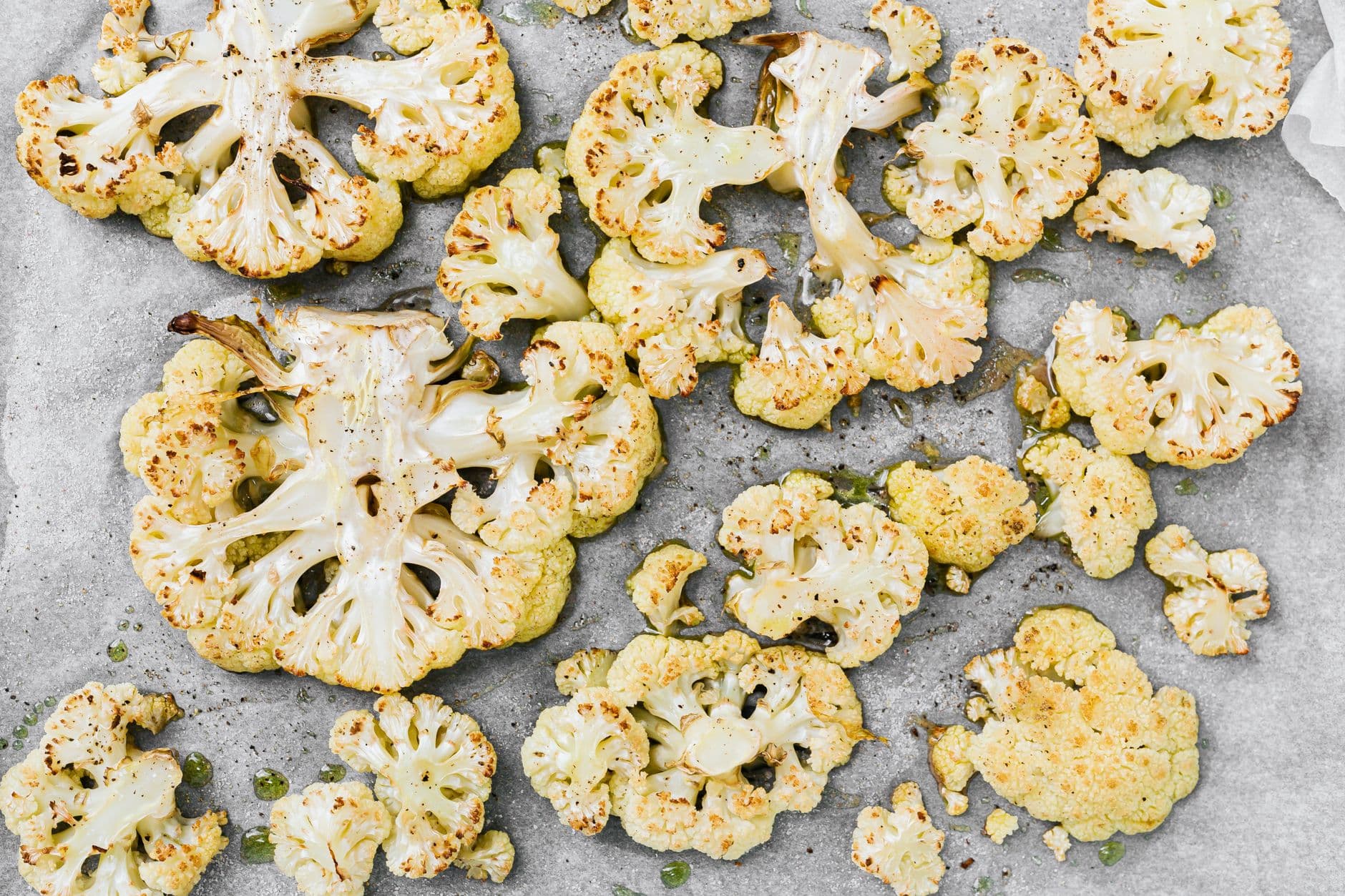
Sheet pan chicken is the classic answer for those who want to toss ingredients onto a tray, slide it into the oven, and walk away. It’s ideal when you need to multitask, help with homework, or just want a break from the stove. The trade-off? Vegetables cooked alongside chicken can steam instead of roast if you crowd the pan or add too much marinade. For crisp edges, space ingredients out and use high heat. If you’re new to this approach, see /posts/sheet-pan-timing-without-steaming for tips on avoiding soggy results.
Sheet pans excel when batch cooking is the goal, or when prepping for leftovers. They’re also forgiving with seasoning—toss everything with oil, salt, and spices, and the oven does the rest. For best results, use bone-in, skin-on thighs or drumsticks, which stay juicy even if the vegetables take a little longer. Quick-cooking vegetables like bell peppers or zucchini should be added halfway through so they don’t overcook. For denser vegetables (potatoes, carrots), cut them smaller or start them before adding the chicken.
Oven temperature makes a difference. Roasting at 425°F or higher helps evaporate moisture and creates browning. If the chicken or vegetables are crowded, moisture can’t escape and everything steams. For a meal with a little char and crispness, give each piece breathing room. This method is best when you want to set it and forget it, but it rewards a little attention to pan spacing and timing.
Skillet Chicken: When You Crave Crispness and Speed
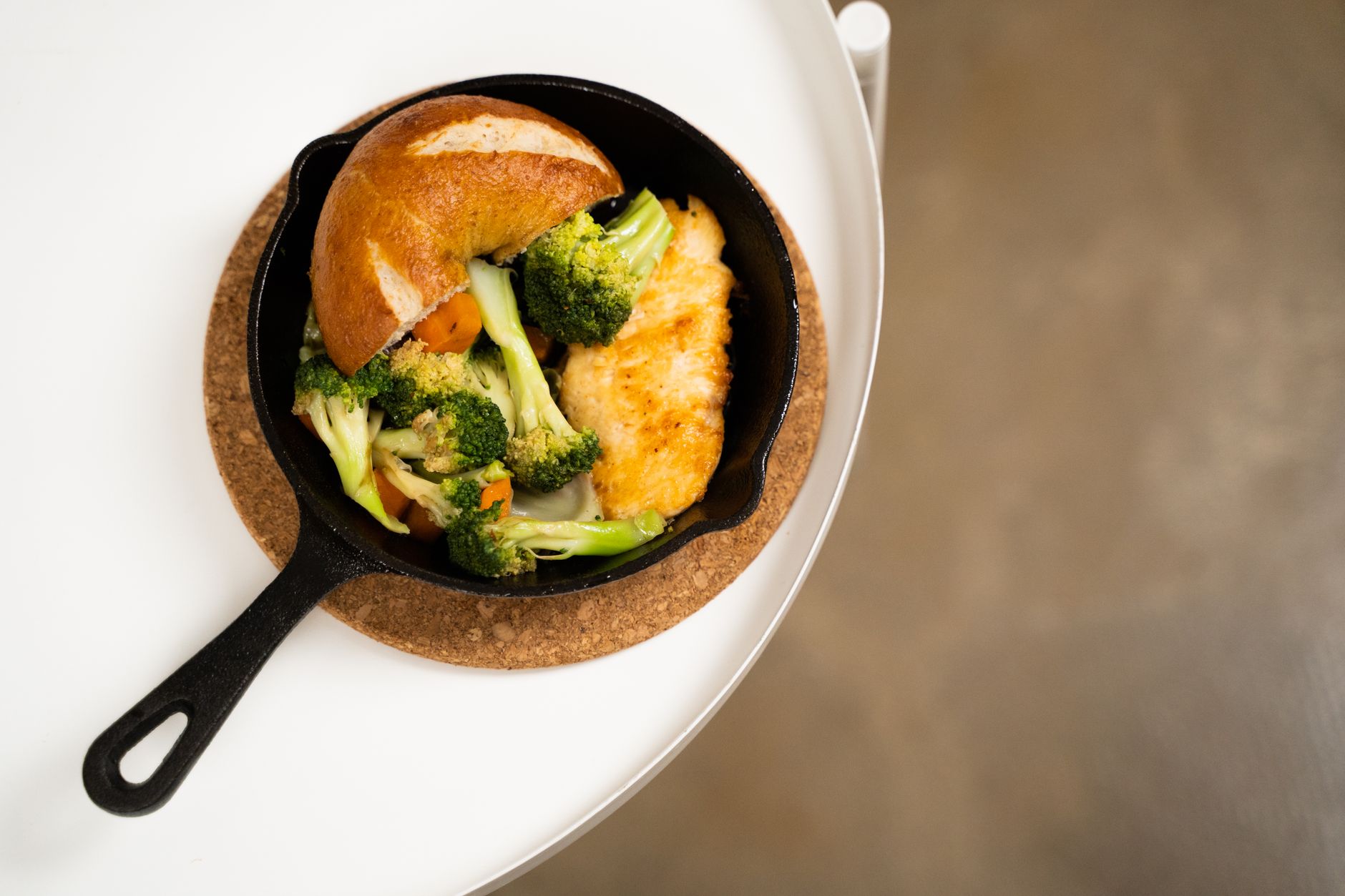
If you want golden, crackling skin and dinner in under 30 minutes, the skillet is your friend. Boneless, skinless cuts (like thighs or breasts) cook quickly and develop flavor from browning. Bone-in pieces work, too, but require a bit more attention to ensure they cook through. The downside: you’ll need to monitor the pan, flip pieces, and possibly finish thicker cuts in the oven. The skillet excels when dinner is about immediacy and a bit of stovetop theater. For a complete meal, add quick-cooking vegetables like thin green beans or halved cherry tomatoes in the last 5–8 minutes.
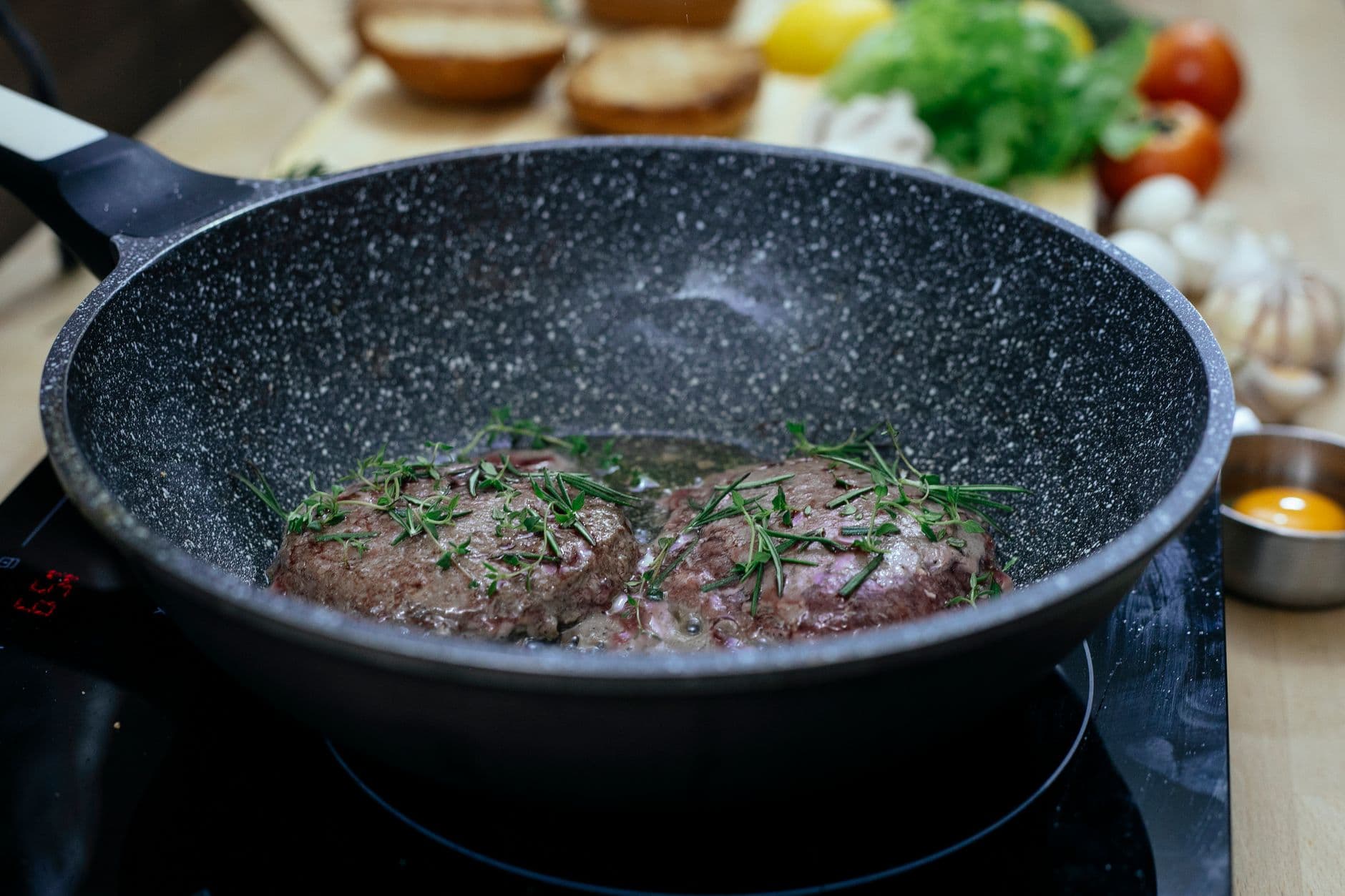
A heavy skillet (cast iron or stainless steel) holds heat well and encourages browning. For best results, pat chicken dry before seasoning and adding to the hot pan. This minimizes splatter and maximizes crispness. If using skin-on chicken, start skin side down to render fat and build flavor. For boneless breasts, consider pounding to even thickness so they cook evenly.
Skillet cooking is less forgiving if you walk away, but it’s perfect for those who want control and crave a crisp, caramelized finish. Deglazing the pan with a splash of broth or wine after cooking creates an instant sauce. This method is best when speed and texture matter most, and when you’re willing to stay nearby.
Dutch Oven Chicken: When You Want Juicy and Forgiving
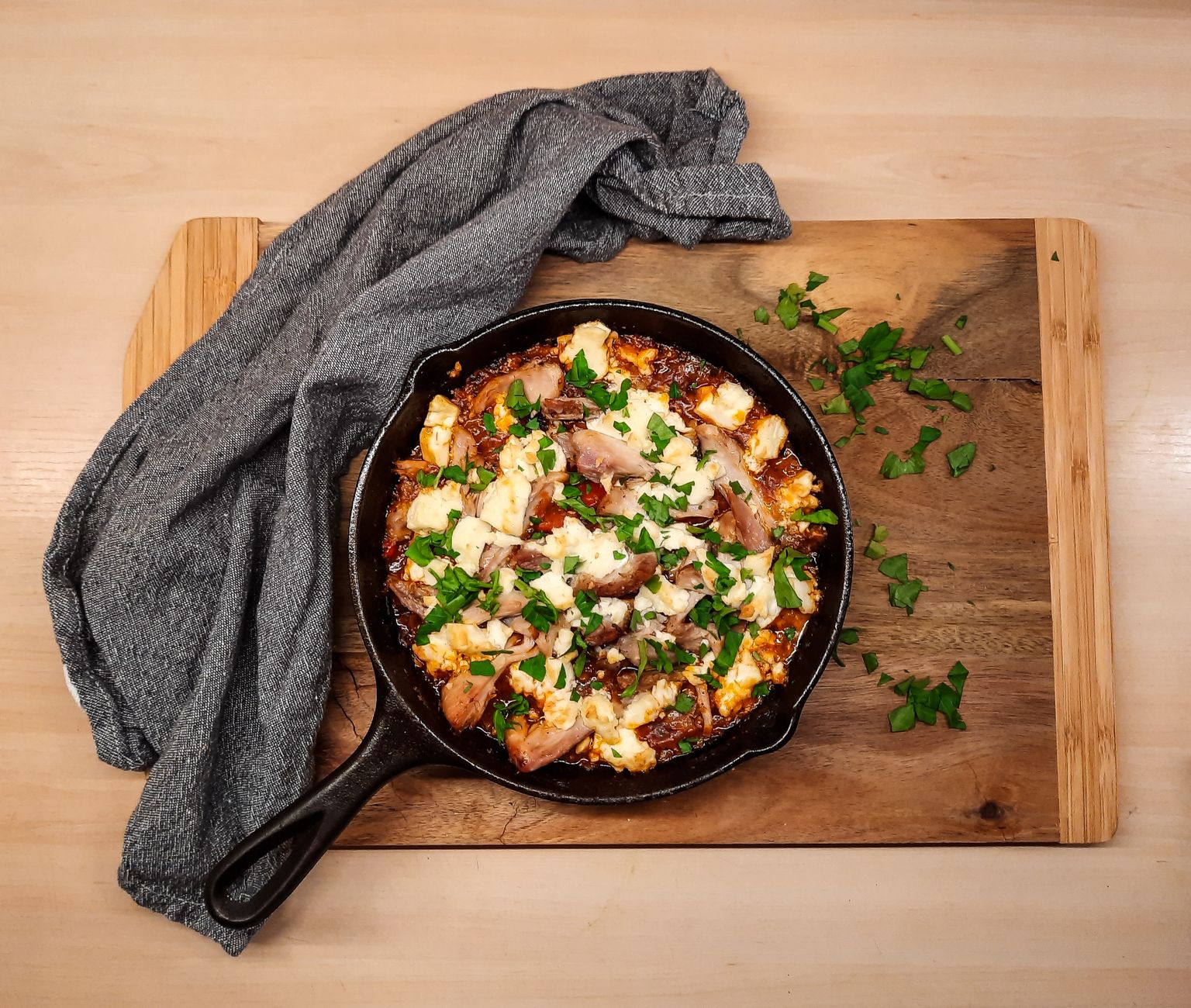
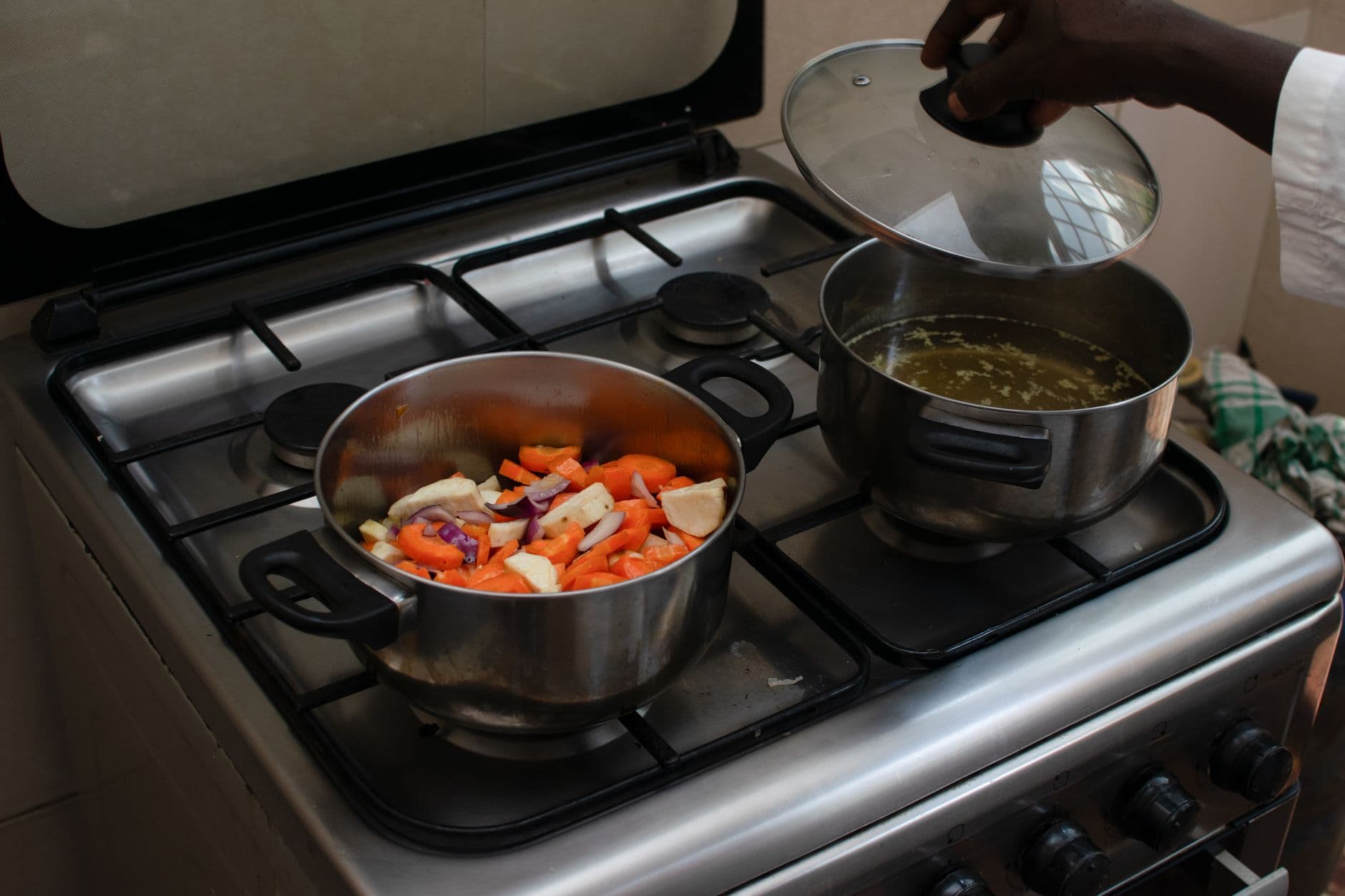
Dutch oven chicken is all about gentle heat and moisture. This method is forgiving if you’re distracted or working with bone-in, skin-on pieces that need time to become tender. It’s hard to overcook chicken in a Dutch oven, as the closed environment helps retain juices and meld flavors. Root vegetables, onions, and garlic thrive here, soaking up cooking juices. The trade-off is longer cook time—often 45 minutes or more—and less crispness. This is the method to choose when you want a cozy, braised meal with minimal effort after prep.
Dutch ovens are ideal for braises and stews, where chicken simmers with aromatics and broth. This method is especially useful for tougher cuts or when using whole legs or thighs. The covered pot traps steam, keeping everything moist. Browning the chicken first adds depth, but it’s not essential if you’re short on time. Once everything is layered in, the oven or stovetop does the rest.
This approach is best for make-ahead meals, cold nights, or when you want leftovers that reheat beautifully. The downside is a lack of crispness—skin will be soft, not crackling. But the payoff is deep flavor and a meal that’s hard to mess up.
How to Decide: Speed, Texture, and What You Have
Choosing the right one pan chicken weeknight method depends on your priorities and what’s in your kitchen. Here’s a quick reference:
Method
Best For
Time
Texture
Vegetable Pairings
Sheet Pan
Hands-off, batch cooking
30–45 min
Roasty if spaced; can steam
Potatoes, carrots, broccoli
Skillet
Crisp skin, quick meals
20–30 min
Golden, crisp edges
Green beans, tomatoes, asparagus
Dutch Oven
Juicy, forgiving braises
45–60 min
Tender, saucy
Root veg, onions, garlic
Food Safety: Thawing, Cooking, and Leftovers
No matter your method, safety starts before you turn on the stove. Thaw chicken in the fridge—not on the counter—to avoid bacteria growth. According to the University of Minnesota Extension and FoodSafety.gov, thawing at room temperature can allow harmful bacteria to multiply quickly, even if the center is still frozen. If you need to thaw quickly, use the microwave or a sealed bag submerged in cold water, changing the water every 30 minutes. Never refreeze raw chicken that has been thawed using these quick methods unless it’s cooked first.
Always wash hands and surfaces after handling raw poultry, and use separate utensils for raw and cooked foods. This prevents cross-contamination, which is a leading cause of foodborne illness in home kitchens. The U.S. Department of Agriculture (USDA) and FDA recommend washing cutting boards, knives, and countertops with hot, soapy water after contact with raw chicken. Avoid washing raw chicken itself, as this can spread bacteria through splashing.
For doneness, chicken is safe to eat at 165°F (74°C) measured with a food thermometer at the thickest part. Don’t just rely on color or juices; pinkness can persist even when safe, and clear juices aren’t a guarantee. Insert the thermometer into the thickest part of the meat, avoiding bone, for an accurate reading. For whole or bone-in pieces, check several spots. If adding vegetables, ensure they reach at least 135°F for safety, though most will be well above this by the time chicken is done.
Leftovers should be cooled within two hours, stored in shallow containers, and eaten within 3–4 days. The USDA FSIS emphasizes rapid cooling to prevent bacteria growth—divide large portions into smaller containers for faster chilling. Store leftovers in the refrigerator at 40°F or below. Reheat thoroughly to 165°F before serving again, stirring or flipping pieces to ensure even heating. Avoid reheating more than once; repeated temperature swings can encourage bacterial growth and degrade quality. For more, see the official guidance from University of Minnesota Extension and USDA FSIS.
Crowding pans, skipping preheating, or mixing vegetables with wildly different cook times are the usual culprits for disappointing one-pan chicken. For crispier results, use a hot oven (425°F or higher) and give everything space. If chicken dries out, try bone-in, skin-on pieces or add a splash of broth in the last 10 minutes. For more on timing and pan spacing, see /posts/sheet-pan-timing-without-steaming.
Other common pitfalls include using too much marinade, which can pool and steam ingredients, or cutting vegetables too large, which leaves them undercooked when the chicken is done. If using a skillet, avoid overcrowding—work in batches for better browning. For Dutch ovens, be mindful of liquid levels; too much can dilute flavors, while too little can cause sticking. Adjust as needed during cooking.
If results are consistently soggy, try elevating chicken on a rack above vegetables, or roast vegetables separately for part of the cook time. If dryness is a problem, cover the pan for part of the cooking, or baste with pan juices.
Leftovers: Make Tomorrow’s Dinner Easier
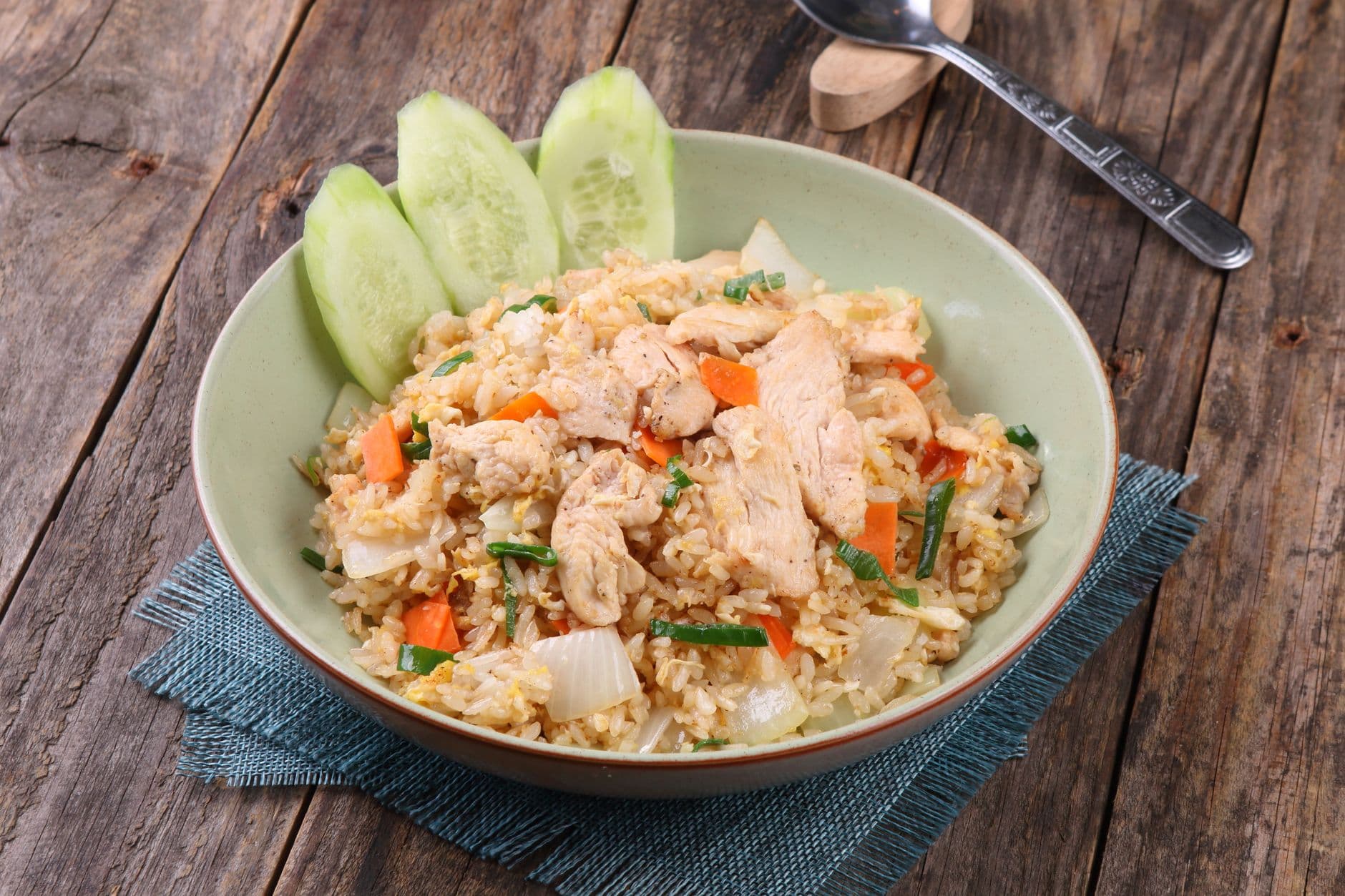
One pan chicken is built for leftovers. Shred or chop extra chicken for salads, wraps, or quick fried rice. Store vegetables and meat separately if possible to keep textures distinct. For ideas on using leftover rice and chicken, see /posts/leftover-rice-dinner-ideas. Always cool and store leftovers promptly, and reheat only what you’ll eat to avoid repeated temperature swings.
Leftover chicken can also be used in soups, quesadillas, or added to pasta. If you have leftover sauce or pan juices, use them to moisten grains or drizzle over reheated meat. According to USDA FSIS, leftovers are best eaten within 3–4 days; if in doubt, check for off smells or textures. Freeze portions you won’t use within that window, labeling with the date. Thaw frozen leftovers in the refrigerator, not on the counter, and reheat to 165°F throughout.
Repurposing leftovers not only saves time but also reduces food waste. Consider planning for leftovers when choosing your pan method—sheet pans and Dutch ovens are especially good for making extra portions.
Weeknight Chicken, Your Way
The best one pan chicken weeknight method is the one that fits your mood, schedule, and fridge contents. Sheet pans reward the planners; skillets are for the impatient; Dutch ovens suit the cozy and unhurried. Whichever you choose, a little attention to spacing, temperature, and food safety pays off in reliable, satisfying dinners—with minimal cleanup.
Making the decision is about more than just speed. Consider how much hands-on time you want, the texture you crave, and what vegetables need using up. If you’re cooking for a crowd or want leftovers, sheet pans and Dutch ovens are hard to beat. If you’re after a crisp, quick meal, the skillet delivers. And whatever you choose, safe handling and storage make sure your efforts pay off for more than one night.
Jordan Mitchell leads FeedsAtlas coverage of weeknight cooking. The work focuses on clear methods, realistic timing, and meals that fit an ordinary evening without restaurant recaps or chef-speak.
Home cooks love the promise of sheet-pan dinners: less mess, fewer pans, and (in theory) beautifully caramelized vegetables. Too often, though, the broccoli is soft and gray, the carrots limp, and everything tastes like it spent too long in a sauna. The culprit isn’t your oven—it’s usually a matter of timing, spacing, and water. Crowd the pan and vegetables steam; give them room and they brown, even on a weeknight.
Anyone who’s tried to toss spaghetti with a homemade sauce and ended up with a pool at the bottom of the bowl knows: weeknight pasta can go wrong in ways that feel unfair. One of the most common frustrations is a sauce that slides off the noodles instead of coating them. The fix—the strategic use of pasta water—sounds simple, but plenty of home cooks hit snags. Here’s how to make pasta water work for you, why it matters, and what to do when it doesn’t go as planned.
You open the fridge, spot a container of cold rice, and wonder whether it’s destined to languish or can become dinner. The answer isn’t just about what you crave—it’s about food safety, timing, and what else you have on hand. This guide walks through the main ways to transform leftover rice into a full meal, with practical advice on when to choose each method, how to keep things safe, and how to make the most of your pantry. From speedy fried rice to simmered soups and hearty casseroles, here’s how to make leftover rice dinner-worthy.
Burgers are weeknight gold—quick to cook, satisfying, and endlessly customizable. But the question of doneness can turn a simple dinner into a guessing game. No one wants to serve a hockey puck, but undercooked beef is a real food safety risk. Instead of slicing open every patty and losing those precious juices, you can master burger doneness temperature with a few reliable kitchen moves. Here’s how to sequence your evening for juicy, safe burgers every time, without the second-guessing or mess.
Every home cook faces the weekly reckoning: a fridge with limp vegetables, last night’s roast chicken bones, and a handful of cooked rice or pasta destined for the compost bin. Transforming these odds and ends into a comforting, cohesive meal can feel daunting on a weeknight. But soup from scraps isn’t just a thrifty trick—done right, it’s a deeply practical, satisfying way to feed yourself and reduce waste. Here’s how to assess your leftovers, ensure food safety, and build soup that tastes intentional, not accidental.
A stir fry can be the hero of a busy weeknight—unless the prep gets away from you. Learn how a sharp mise en place not only saves dinner from singed garlic and limp vegetables, but lets you cook confidently at high heat. This walkthrough covers the real steps and decisions, from knife work to food safety, that turn a frantic scramble into a smooth, sizzling finish.