Stir-Fry Mise en Place That Keeps a Weeknight From Burning
Jordan Mitchell··10 min read
A stir fry can be the hero of a busy weeknight—unless the prep gets away from you. Learn how a sharp mise en place not only saves dinner from singed garlic and limp vegetables, but lets you cook confidently at high heat. This walkthrough covers the real steps and decisions, from knife work to food safety, that turn a frantic scramble into a smooth, sizzling finish.
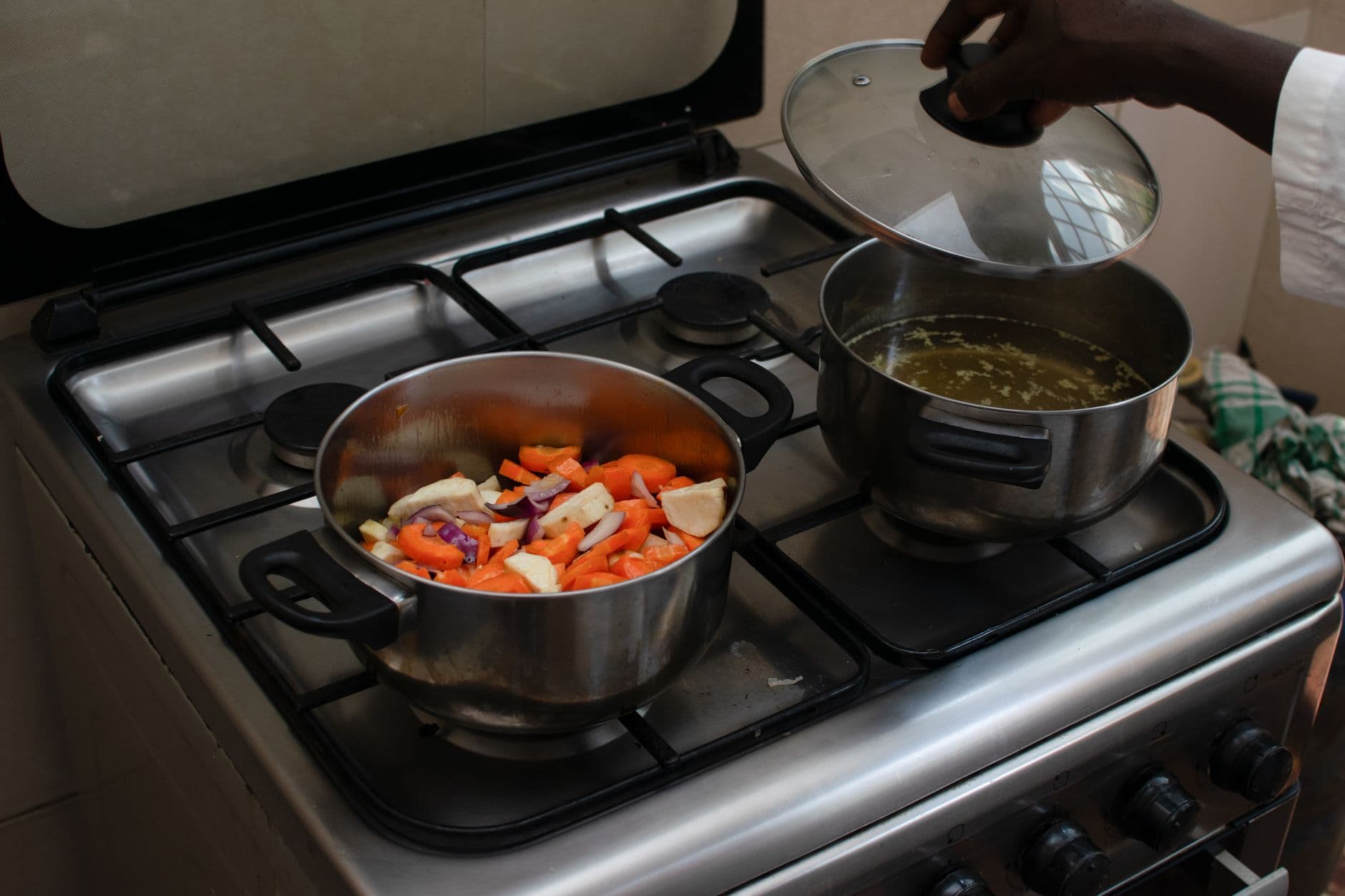
Stir fry is the weeknight cook’s comfort zone—until it isn’t. Maybe you’ve been there: the pan’s already hot, your garlic is browning too quickly, and you’re still slicing the last carrot. Vegetables pile up unevenly cooked, and the sauce never seems to coat just right. The culprit? Skipping mise en place, the practice of prepping and arranging every ingredient before the first sizzle. For stir fry, where high heat rewards speed and readiness, this step isn’t a luxury. It’s the difference between a quick, crisp dinner and a smoky, stressful scramble. The speed of stir fry can quickly turn a comfortable meal into a kitchen fire drill if you’re not prepared. Even a few seconds of distraction or disorganization can result in burnt garlic, soggy vegetables, or undercooked protein. The solution is not just about moving faster, but about preparing smarter—making sure that every ingredient is ready to go before the pan hits the heat. This approach not only reduces stress but also improves the quality and safety of the finished dish.
Why Mise en Place is Non-Negotiable for Stir Fry
Unlike stews or roasts, stir fry doesn’t wait for you. Once the oil is shimmering, every ingredient needs to hit the pan in a deliberate order, each with its own ideal cook time. Mise en place—having everything chopped, measured, and within arm’s reach—lets you work at the pace the pan demands. It also means you can taste and adjust seasoning without fumbling for soy sauce or realizing too late that the broccoli is still in the fridge. The beauty of mise en place is that it gives you a sense of control over the cooking process. It’s the foundation of restaurant kitchens, but it’s just as crucial at home, especially when time is tight. A well-organized setup allows you to focus on the actual cooking, not on searching for the next ingredient or worrying about what comes next. If you’re new to the concept or want a refresher on the physical setup, check out /posts/knife-grip-board-setup for a practical look at prepping your station. This kind of preparation is the difference between a meal that feels effortless and one that feels like a race against the clock.
Start With Your Ingredients: Thaw, Rinse, Pat Dry
Frozen proteins or vegetables are a weeknight staple, but they need special attention before hitting the wok. Thaw meats safely in the refrigerator overnight, or use the cold-water method if you’re in a rush—never at room temperature, where bacteria can multiply rapidly. The USDA FSIS recommends refrigerator thawing as the safest method, but sealed bags in cold water (changed every 30 minutes) also work for smaller cuts. Never use hot water, and avoid leaving food out on the counter to thaw, as this places it squarely in the 'danger zone' (between 40°F and 140°F), where bacteria can multiply quickly. For more detail on safe thawing, see the USDA FSIS, The Big Thaw at https://www.fsis.usda.gov/food-safety/safe-food-handling-and-preparation/food-safety-basics/big-thaw-safe-defrosting-methods.
Once thawed, always pat meats and rinsed vegetables thoroughly dry with paper towels. This step is not just about avoiding oil splatter (though that’s important); it’s also about ensuring that your stir fry browns instead of steams. Excess moisture in the pan lowers the temperature, causing ingredients to release water and simmer rather than sear. Drying also helps sauces cling better to the food later on. For vegetables, a salad spinner can speed up drying after rinsing, especially for leafy greens or broccoli florets. For proteins, make sure to remove as much surface moisture as possible before they go into the hot oil.
Knife Work: Uniformity Matters More Than Perfection
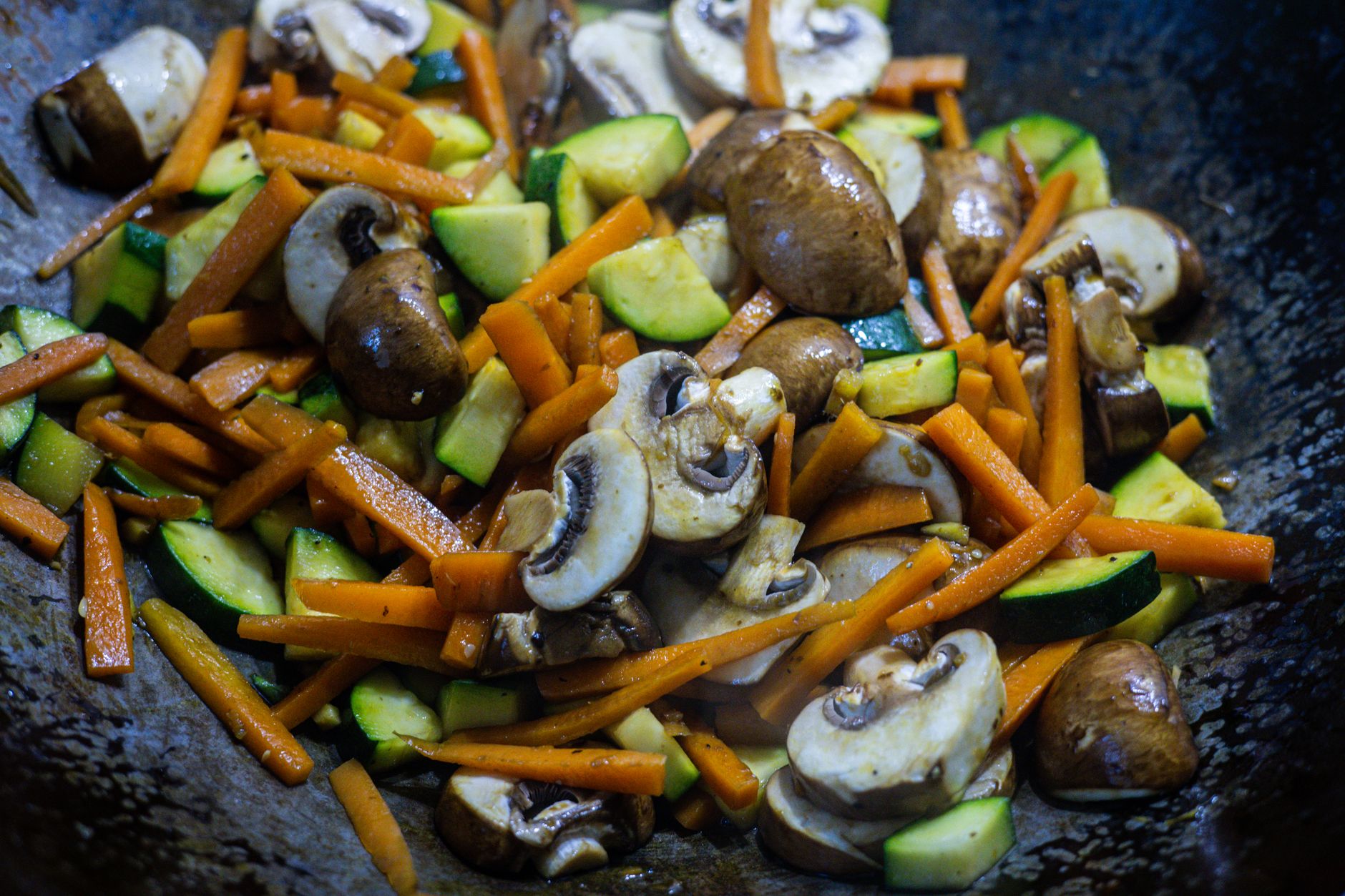
Even slices and dices are the secret to a stir fry that cooks evenly. Aim for bite-sized pieces—think thin strips for chicken, matchsticks for carrots, and florets for broccoli. The goal isn’t restaurant-level precision, but enough consistency that nothing burns while you’re still waiting for the thickest bit to finish. Uniformity in size ensures that all ingredients cook at the same rate, which is especially important when working with high heat and short cook times. If you’re still working on your knife skills or want to optimize your setup, /posts/knife-grip-board-setup breaks it down step by step.
A few practical tips:
Stack leafy greens before slicing for faster, safer cuts.
Slice proteins against the grain for tenderness.
Group similar vegetables together for batch slicing.
Taking the time to prep ingredients to a similar size also makes the final dish more visually appealing and easier to eat. It’s worth the extra few minutes upfront to avoid frustration later.
Organize Ingredients by Cook Time
Sort everything into bowls or piles based on how long each ingredient needs in the pan. Aromatics (ginger, garlic, scallion) go in one; quick-cooking vegetables (snap peas, bell pepper) in another; longer-cooking veggies (carrots, broccoli) in a third. Proteins and sauces each get their own spot. This way, you can add ingredients in stages, layering flavor and texture without crowding the pan. The order in which ingredients are added is crucial to the final result. For example, onions and carrots need a head start, while snow peas and bean sprouts require only a minute or two at the end. Keeping everything separated and organized by cook time means you can move quickly and confidently, avoiding overcooking or undercooking any component. This organization also helps prevent the common mistake of overcrowding the pan, which can lead to steaming instead of stir frying.
Cross-contamination is an easy mistake in the rush of stir fry prep. Use separate cutting boards for raw meat and vegetables, and never reuse a plate that held raw protein for finished food. The U.S. Food and Drug Administration recommends keeping raw and cooked foods apart at all times, and washing hands, utensils, and surfaces after handling raw ingredients. For a refresher on these practices, see the FDA Food Safety in Your Kitchen at https://www.fda.gov/food/buy-store-serve-safe-food/food-safety-your-kitchen.
A few reminders:
Wash knives and cutting boards with hot, soapy water after cutting raw meat.
Use color-coded boards if possible to keep things clear.
Clean up spills and drips from raw juices immediately.
This separation is not just about avoiding foodborne illness; it’s about building habits that make all your cooking safer and more efficient. Taking a few extra seconds to switch boards or wash hands can prevent hours of regret later.
Heat Cues: Know When the Pan is Ready
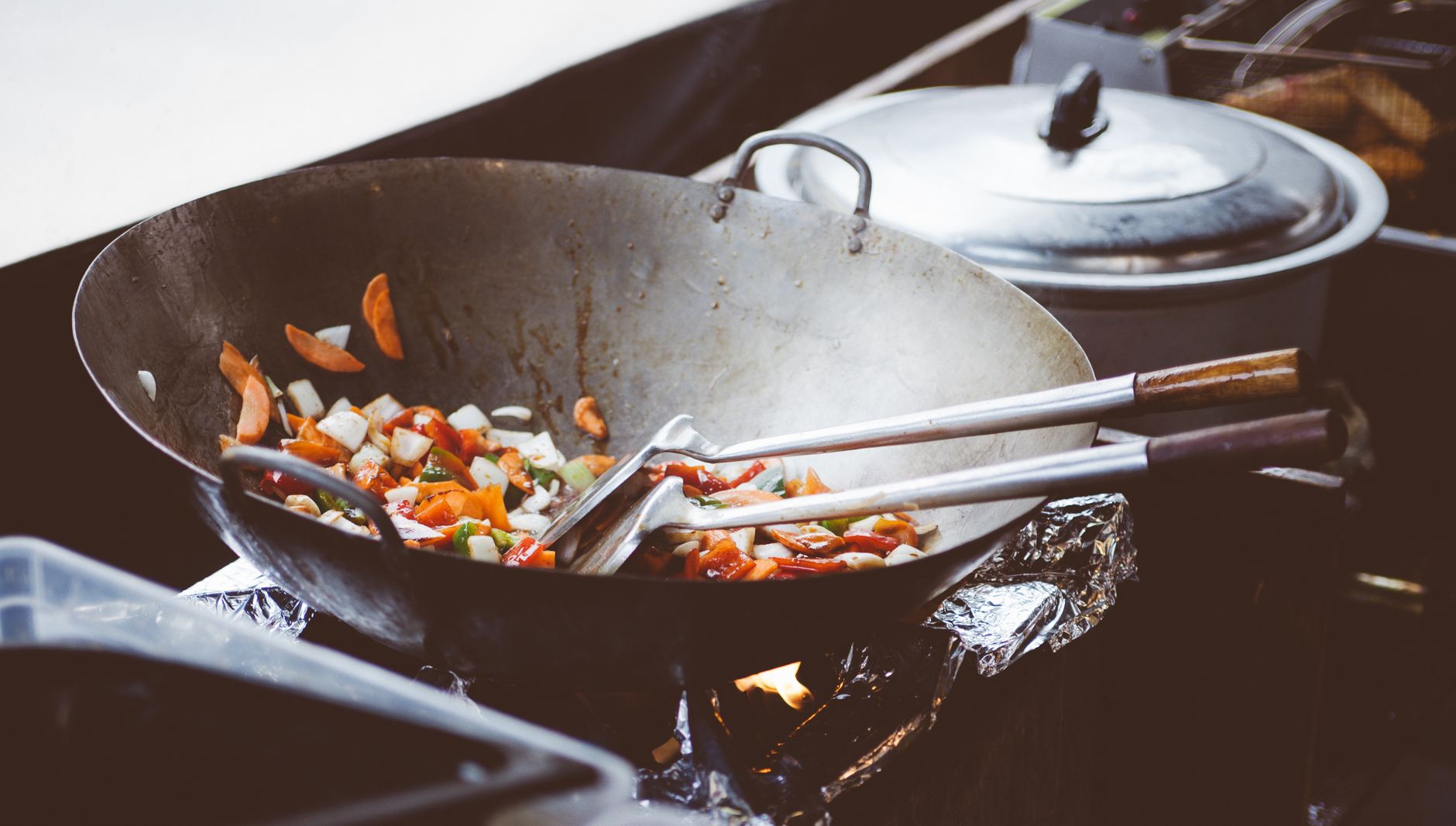
A properly heated pan is the difference between a stir fry that sears and one that steams. Look for a shimmering surface before adding oil, and wait for a faint wisp of smoke to know it’s truly hot. Tossing in a test piece of onion—if it sizzles instantly, you’re ready. For a full breakdown of visual and audible cues, see /posts/pan-heat-cues-home-cooks.
Preheating the pan ensures that ingredients cook quickly and develop the desired char and flavor. If the pan isn’t hot enough, food will stick and release water, leading to a soggy stir fry. Don’t rush this step; patience here pays off in texture and taste. Once the oil is in, swirl it to coat the surface evenly before adding aromatics. This prevents sticking and helps distribute heat.
Safe Cooking Temperatures and Leftover Handling
Thin slices of chicken, beef, or pork will cook quickly over high heat, but don’t guess when it comes to doneness. The USDA FSIS safe temperature chart recommends 165°F (74°C) for poultry, 145°F (63°C) for pork and beef (with a three-minute rest). Use an instant-read thermometer for thick pieces or batch-cooked proteins. Undercooked meat can harbor harmful bacteria, so checking temperature is a simple but vital step. For more on safe temperatures, consult the USDA FSIS Safe Temperature Chart at https://www.fsis.usda.gov/food-safety/safe-food-handling-and-preparation/food-safety-basics/safe-temperature-chart.
Once dinner’s done, refrigerate leftovers within two hours—one hour if your kitchen is above 90°F—to keep them out of the 'danger zone' where bacteria thrive. Store leftovers in shallow containers to speed cooling, and avoid stacking hot containers in the fridge. According to the USDA FSIS Leftovers and Food Safety page (https://www.fsis.usda.gov/food-safety/safe-food-handling-and-preparation/food-safety-basics/leftovers-and-food-safety), leftovers should be eaten within 3–4 days. Reheat thoroughly to 165°F (74°C) before serving again. For long-term storage, freezing is a safe option; FoodSafety.gov’s cold food storage charts (https://www.foodsafety.gov/food-safety-charts/cold-food-storage-charts) provide detailed guidance on how long cooked foods can be kept frozen without loss of quality or safety.
Quick safety reminders:
Never taste food to check if it’s still good; check storage times and temperatures instead.
Label leftovers with the date before refrigerating.
Discard any food left out for more than two hours (one hour in hot weather).
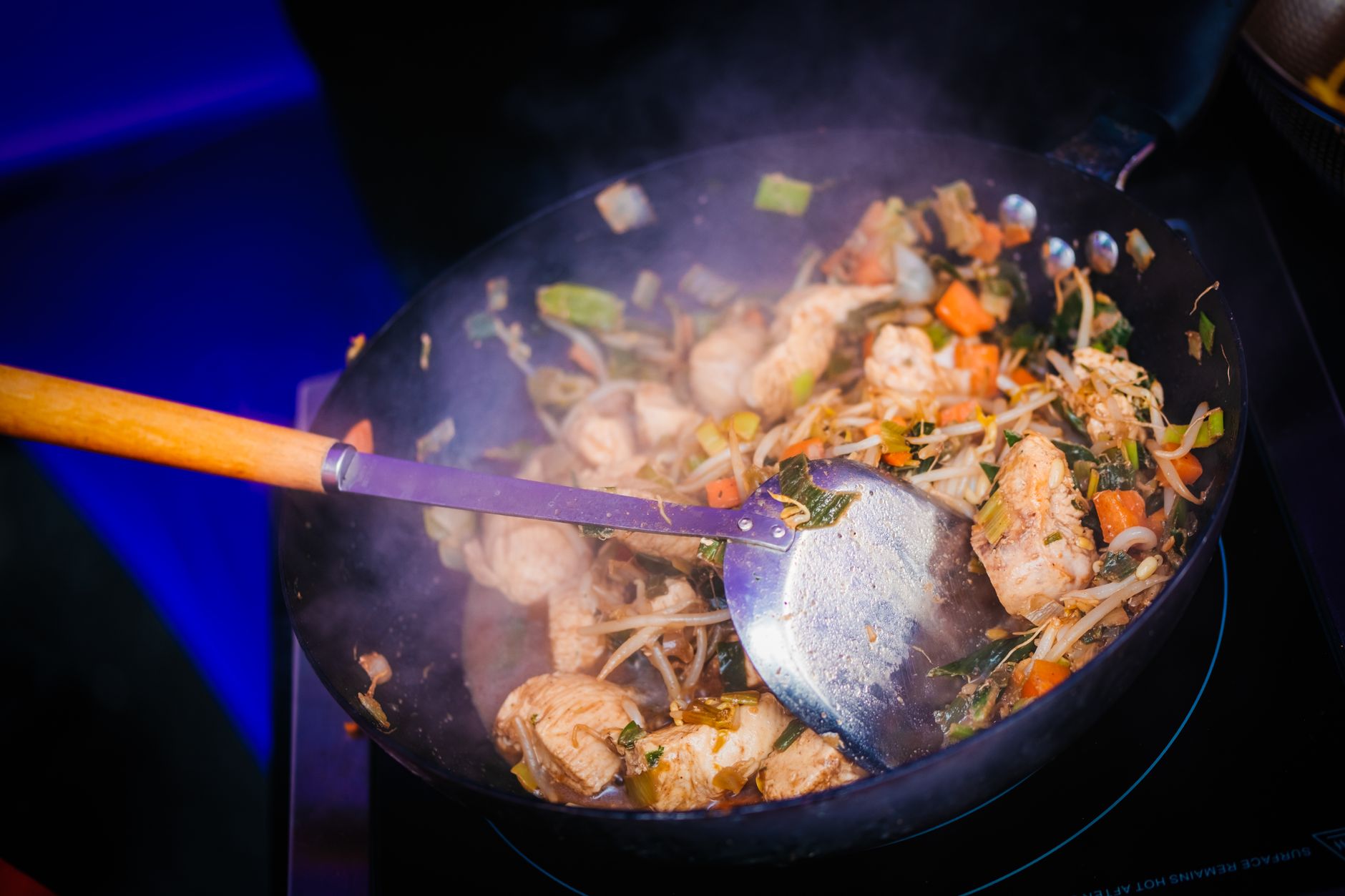
Before the final toss, have your sauce measured and ready to pour—stir fry sauce thickens in seconds. If you want a glossy finish, add a splash of water or stock along with the sauce, then toss briskly to coat. Taste and tweak with soy sauce, vinegar, or a pinch of sugar only at the end, when everything is cooked and hot. This is your window for last-minute changes, not for hunting through the pantry. Stir fry moves fast, and the final moments are when the flavors come together. Having your finishing touches ready allows you to adjust seasoning and texture without overcooking the vegetables or protein. If you prefer a thicker sauce, mix a small amount of cornstarch with water and add it at the end, stirring constantly until the sauce reaches the desired consistency. Don’t forget to taste before serving—sometimes a squeeze of citrus or a handful of fresh herbs can brighten the whole dish.
Cleanup: Reset for Tomorrow’s Stir Fry
A disciplined mise en place makes cleanup easier, too. As you cook, drop scraps and peelings into a dedicated bowl for compost or trash. Wipe down counters and wash knives and boards before you sit down to eat—especially if you’ve handled raw meat. Store leftovers in shallow containers to cool quickly, and label with the date. For how long cooked stir fry keeps, FoodSafety.gov’s cold food storage charts are an essential reference: https://www.foodsafety.gov/food-safety-charts/cold-food-storage-charts.
Efficient cleanup is part of the mise en place mindset. Keeping your workspace tidy as you go prevents cross-contamination and makes the post-dinner reset less daunting. Once leftovers are stored safely, give the stovetop a quick wipe and soak any sticky pans before they harden. This routine not only keeps your kitchen safer but makes it more inviting for the next round of cooking. A clean and organized kitchen encourages more frequent home cooking and reduces the temptation to skip steps in the future.
Jordan Mitchell leads FeedsAtlas coverage of weeknight cooking. The work focuses on clear methods, realistic timing, and meals that fit an ordinary evening without restaurant recaps or chef-speak.
Home cooks love the promise of sheet-pan dinners: less mess, fewer pans, and (in theory) beautifully caramelized vegetables. Too often, though, the broccoli is soft and gray, the carrots limp, and everything tastes like it spent too long in a sauna. The culprit isn’t your oven—it’s usually a matter of timing, spacing, and water. Crowd the pan and vegetables steam; give them room and they brown, even on a weeknight.
Anyone who’s tried to toss spaghetti with a homemade sauce and ended up with a pool at the bottom of the bowl knows: weeknight pasta can go wrong in ways that feel unfair. One of the most common frustrations is a sauce that slides off the noodles instead of coating them. The fix—the strategic use of pasta water—sounds simple, but plenty of home cooks hit snags. Here’s how to make pasta water work for you, why it matters, and what to do when it doesn’t go as planned.
You open the fridge, spot a container of cold rice, and wonder whether it’s destined to languish or can become dinner. The answer isn’t just about what you crave—it’s about food safety, timing, and what else you have on hand. This guide walks through the main ways to transform leftover rice into a full meal, with practical advice on when to choose each method, how to keep things safe, and how to make the most of your pantry. From speedy fried rice to simmered soups and hearty casseroles, here’s how to make leftover rice dinner-worthy.
Every home cook faces the weeknight chicken dilemma: Should you reach for a skillet, a sheet pan, or a Dutch oven? The right one-pan chicken method can mean the difference between a crisp, flavorful dinner and a soggy, stressful mess. Here is how to choose a style for a reliable weeknight chicken dinner, avoid limp vegetables or overcooked meat, and handle leftovers safely.
Burgers are weeknight gold—quick to cook, satisfying, and endlessly customizable. But the question of doneness can turn a simple dinner into a guessing game. No one wants to serve a hockey puck, but undercooked beef is a real food safety risk. Instead of slicing open every patty and losing those precious juices, you can master burger doneness temperature with a few reliable kitchen moves. Here’s how to sequence your evening for juicy, safe burgers every time, without the second-guessing or mess.
Every home cook faces the weekly reckoning: a fridge with limp vegetables, last night’s roast chicken bones, and a handful of cooked rice or pasta destined for the compost bin. Transforming these odds and ends into a comforting, cohesive meal can feel daunting on a weeknight. But soup from scraps isn’t just a thrifty trick—done right, it’s a deeply practical, satisfying way to feed yourself and reduce waste. Here’s how to assess your leftovers, ensure food safety, and build soup that tastes intentional, not accidental.