Sheet-Pan Timing So Vegetables Brown Instead of Steam
Jordan Mitchell··10 min read
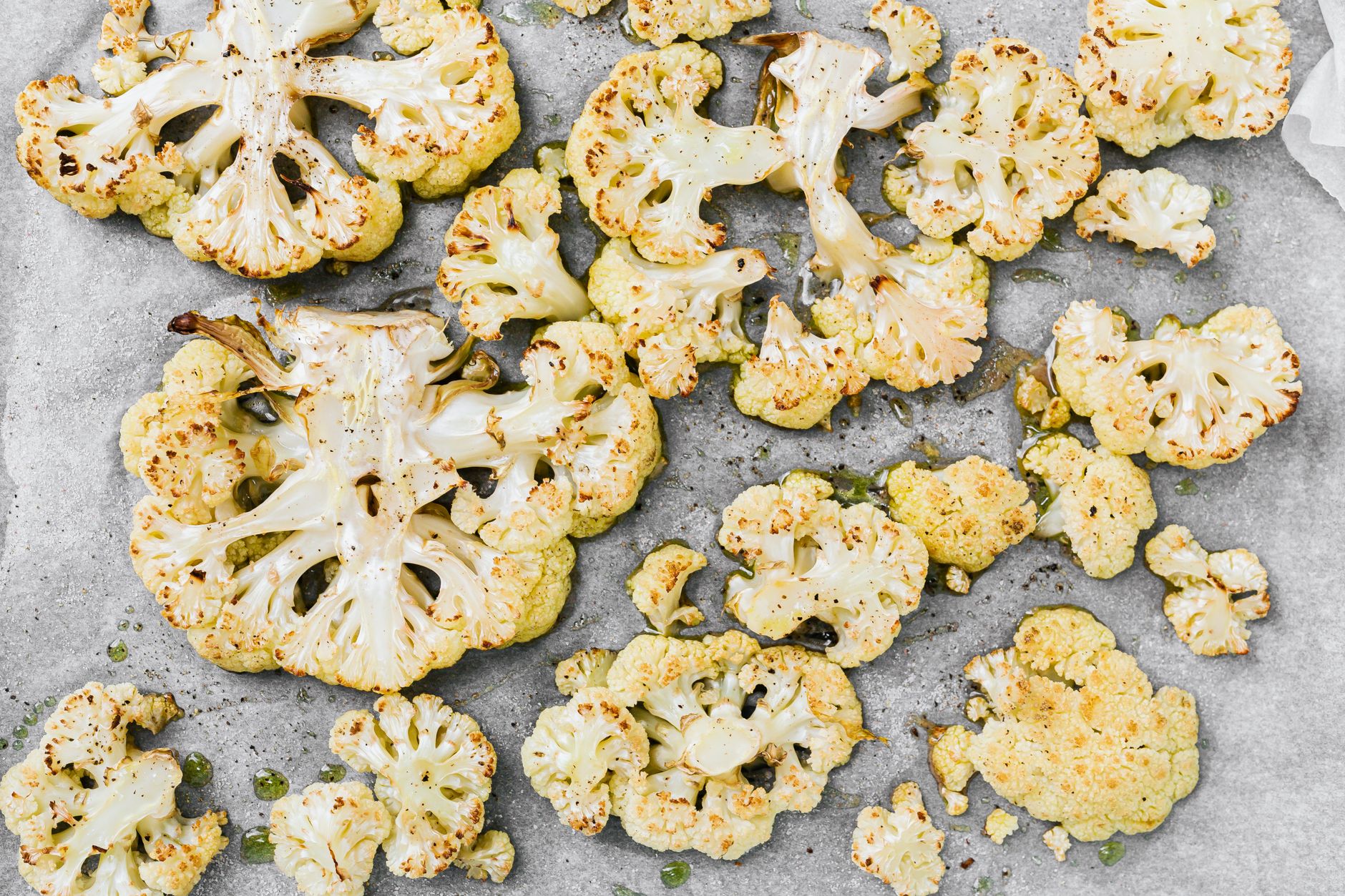
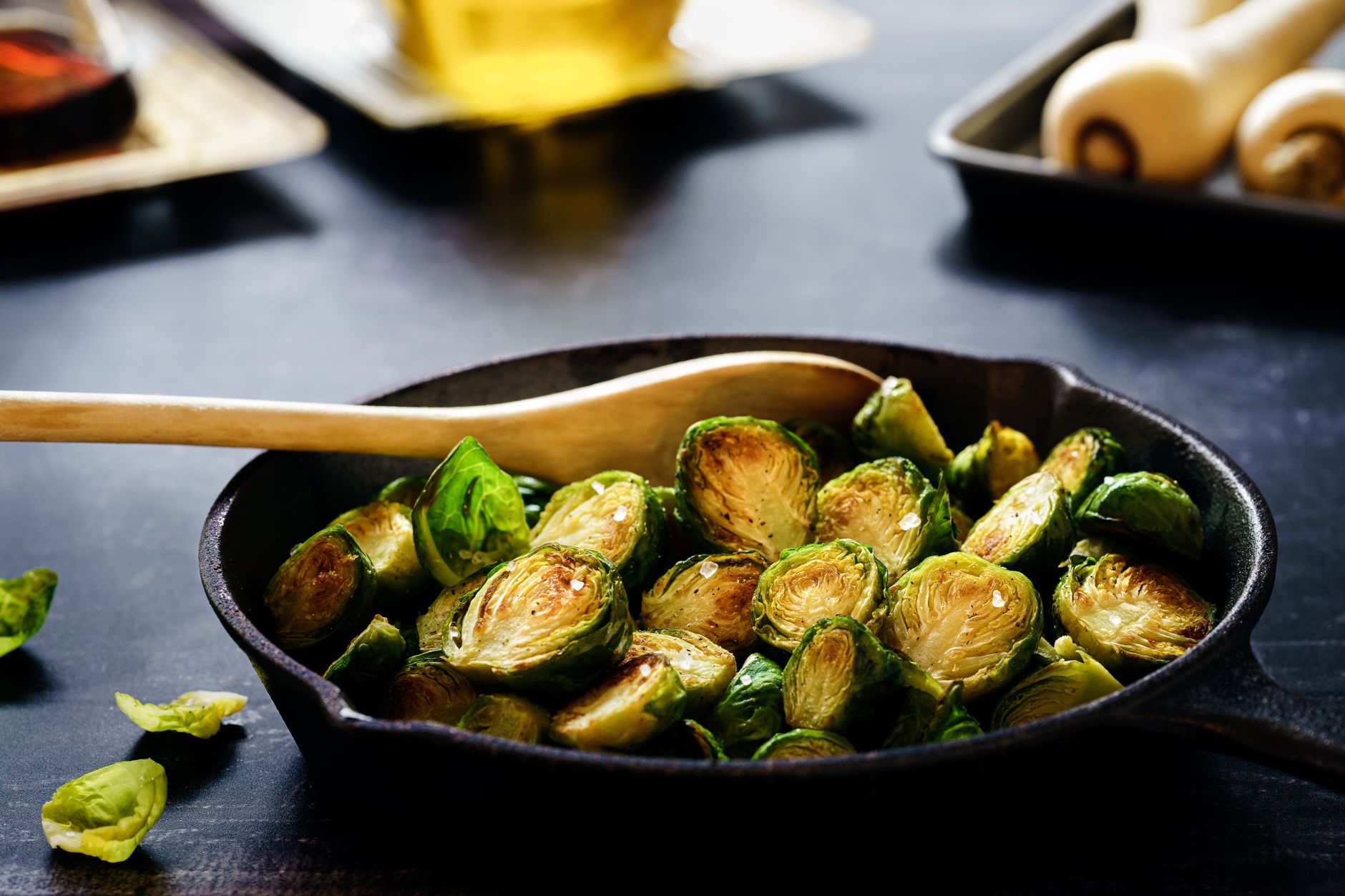
Home cooks love the promise of sheet-pan dinners: less mess, fewer pans, and (in theory) beautifully caramelized vegetables. Too often, though, the broccoli is soft and gray, the carrots limp, and everything tastes like it spent too long in a sauna. The culprit isn’t your oven—it’s usually a matter of timing, spacing, and water. Crowd the pan and vegetables steam; give them room and they brown, even on a weeknight.
You pull your sheet pan from the oven, expecting golden, crisp-tipped vegetables—but the result is wet, pale, and limp. This is one of the most common weeknight letdowns. If you’ve ever wondered why your roasted potatoes don't brown, or your broccoli seems steamed instead of seared, you’re not alone. The problem usually isn’t the recipe, but how the vegetables are timed, spaced, and prepped before they hit the heat. These issues are widespread, and even experienced cooks can fall into the same traps. Understanding the underlying causes of mushy vegetables is the first step to fixing them for good.
The Real Reason Vegetables Steam Instead of Brown
Roasting should mean dry heat and caramelization. But when too much moisture is trapped—by crowding, incorrect timing, or wet vegetables—steam forms under and around your food. This traps water, softens textures, and prevents browning. The good news: small changes in your sheet pan roasting timing and setup can make a huge difference. For a refresher on how pan heat affects browning, see /posts/pan-heat-cues-home-cooks. The science is simple: browning (the Maillard reaction) only happens when the surface temperature of the food climbs above the boiling point of water. Any excess water on or around vegetables keeps their surface temperature capped at 212°F, so browning stalls and steaming takes over. The result: limp, pale vegetables and none of the sweet, roasted flavor you want.
Common Timing Mistakes and Their Fixes
Mistake 1: Tossing everything on the pan at once, regardless of density or cut size. Potatoes and carrots take longer than green beans or peppers. If you put them all in together, by the time the roots brown, the tender vegetables will be overcooked and soggy.
Mistake 2: Starting with cold, wet, or frozen vegetables. Excess surface moisture means more steam. For best results, thaw any frozen vegetables safely (see the USDA FSIS's Big Thaw for approved thawing methods: https://www.fsis.usda.gov/food-safety/safe-food-handling-and-preparation/food-safety-basics/big-thaw-safe-defrosting-methods), and dry everything thoroughly after washing (FDA handling tips: https://www.fda.gov/food/buy-store-serve-safe-food/selecting-and-serving-produce-safely).
Mistake 3: Crowding the pan. If vegetables are piled up or touching, they can’t release moisture into the oven air, so they steam. Use two pans if needed, or roast in batches.
Mistake 4: Not preheating the oven fully. A lukewarm oven will encourage steaming, not searing. Always allow the oven to preheat completely before adding your sheet pan. Mistake 5: Using foil or silicone mats that trap moisture underneath. These can prevent the direct contact needed for browning.
How to Layer Sheet Pan Timing for Even Browning
The secret to a really good sheet-pan dinner is thinking in layers—not just ingredients, but time. Start with the vegetables (or proteins) that take the longest to brown. Give them a head start, then add quicker-cooking items partway through. For example: potatoes and carrots go in first, followed by broccoli or bell peppers 10-15 minutes later. This way, everything finishes together, and nothing steams in the runoff of another ingredient.
A practical approach is to set a timer for each addition. If roasting a mix of root and tender vegetables, stagger the additions so that the total cook time for each matches its optimal doneness. This also helps avoid overcooked, shriveled pieces mixed in with underdone chunks. For proteins like chicken or sausage, start them first if they need more time than the vegetables, or add them with the denser vegetables if their cook times align.
Prep Moves That Prevent Steaming
1. Dry thoroughly after washing. After rinsing produce, spin or pat dry with clean towels. Even a thin film of water can turn a hot oven into a steamy sauna. For food-safe washing tips, see U.S. FDA guidance: https://www.fda.gov/food/buy-store-serve-safe-food/selecting-and-serving-produce-safely.
2. Cut for even cooking. Try to keep pieces uniform in size for each batch. If you want to mix vegetables that cook at different rates, cut slower-cooking ones smaller and faster-cooking ones larger.
3. Don’t salt too early. Salt draws out moisture. Toss vegetables with oil first, roast for a few minutes, then salt if you’re noticing a lot of runoff.
4. Thaw frozen vegetables correctly. According to USDA FSIS, the safest methods are refrigerator thawing, cold-water thawing (in a leak-proof bag, changing water every 30 minutes), or microwave thawing if you plan to cook immediately. Never thaw at room temperature, as this can encourage bacterial growth. Once thawed, dry vegetables thoroughly before roasting.
5. Avoid over-oiling. While oil helps browning, too much can pool on the pan, creating more steam and soggy vegetables. Use just enough to lightly coat, tossing well to distribute.
Sheet Pan Real Estate: Give Vegetables Their Space
A crowded pan is a recipe for steaming. Arrange vegetables in a single, even layer with space between pieces. If you can’t see at least a little sheet pan between most of the food, it’s time to split the batch. Using parchment is fine, but skip foil or silicone mats if you want maximum browning. For more on pan and oven cues, check /posts/pan-heat-cues-home-cooks.
Overcrowding is the most common failure mode for home cooks who want to make a family-sized batch in a hurry. The urge to fit everything on one pan is strong, but the payoff for restraint is huge: better browning, more flavor, and less frustration. If you only have one pan, roast in two stages or keep finished items warm in a low oven while the rest cooks.
Oven Temperature and Rack Placement
High heat (425°F–450°F) is key for browning most vegetables. Set your pan in the top third of the oven, where heat is most intense. If your oven runs cool or you’re not sure, preheat for at least 20 minutes before roasting. Avoid opening the door too often—each peek drops the temperature and encourages more steaming.
Another common pitfall is using a convection setting without adjusting timing. Convection ovens circulate air, which can speed browning but also dry out tender vegetables if left too long. If using convection, check for doneness early and rotate pans halfway through for even results. If your oven has hot spots, rotate the pan front to back as well.
If you’re roasting extra for later meals, cool leftovers quickly and refrigerate promptly. For safe holding and reheating, follow the guidance at FoodSafety.gov: https://www.foodsafety.gov/keep-food-safe. Leftovers should be chilled within two hours and reheated to at least 165°F before eating. For preserving roasted vegetables beyond a few days, see the National Center for Home Food Preservation’s research-based freezing tips: https://nchfp.uga.edu/.
A frequent misstep is letting roasted vegetables sit out too long before refrigerating. Bacteria multiply rapidly at room temperature, so prompt chilling is essential. Spread leftovers in a shallow container for quick cooling. For freezing, pack cooled vegetables in airtight containers or freezer bags, removing as much air as possible. Label with the date and use within recommended timeframes (typically 8–12 months for best quality, according to NCHFP). When reheating, ensure vegetables reach 165°F throughout to destroy any bacteria.
Troubleshooting: If You Still Get Steamed Vegetables
If you’ve spaced your vegetables, started dry, and timed everything right but still end up with steamed results, check your oven. Some ovens don’t vent moisture well, especially countertop or compact models. Try roasting in smaller batches, or finish under a broiler for the last 2-3 minutes to drive off surface moisture and encourage browning.
Another overlooked issue: pan material. Thin, dark pans promote better browning than shiny or insulated ones, which reflect heat. If your vegetables routinely steam, switching to a heavier, darker sheet pan can help. Also, check for blocked oven vents or excessive oven liner use, both of which can trap moisture and sabotage browning.
Food Safety Pitfalls in Sheet-Pan Cooking
Sheet-pan dinners can be a food safety win—if you avoid common mistakes. Cross-contamination is a risk if raw meats and vegetables are prepped on the same surface or with the same utensils. Always use separate cutting boards and wash hands, knives, and surfaces thoroughly between tasks. According to the FDA and FoodSafety.gov, produce should be washed under running water before cutting, and any bruised or damaged areas trimmed away. Never use soap or bleach on produce.
If using proteins, ensure they reach safe internal temperatures (165°F for poultry, 145°F for most fish, 160°F for ground meats). Use a food thermometer to check, especially when roasting mixed items. Never rely on color alone to judge doneness. If marinating vegetables or proteins, discard any leftover marinade that touched raw meat, or bring it to a boil before using as a sauce.
For leftovers, the "two-hour rule" is key: refrigerate promptly, and never leave cooked food out for more than two hours (one hour if above 90°F). When reheating, bring leftovers to at least 165°F. For more, see FoodSafety.gov’s guidelines.
The Sheet Pan Dinner, Upgraded
With a little attention to sheet pan roasting timing and prep, you can transform weeknight vegetables from soggy to sublime. The best part? Once you see how simple tweaks—layered timing, proper spacing, and dry prep—pay off, you’ll never go back to the old, steamed way. Roasted vegetables not only taste better, but also retain more nutrients and texture when handled correctly. For a hands-on weeknight method with chicken, see /posts/one-pan-chicken-weeknight-method.
The key to success is troubleshooting each stage: prepping (dry, uniform pieces), timing (layered additions), spacing (no crowding), oven setup (hot, well-ventilated), and storage (prompt chilling and safe reheating). Avoiding the most common failure modes—crowding, wet vegetables, and rushed timing—means every batch can be a winner. Sheet-pan dinners offer flexibility and speed, but the details make all the difference.
Jordan Mitchell leads FeedsAtlas coverage of weeknight cooking. The work focuses on clear methods, realistic timing, and meals that fit an ordinary evening without restaurant recaps or chef-speak.
Anyone who’s tried to toss spaghetti with a homemade sauce and ended up with a pool at the bottom of the bowl knows: weeknight pasta can go wrong in ways that feel unfair. One of the most common frustrations is a sauce that slides off the noodles instead of coating them. The fix—the strategic use of pasta water—sounds simple, but plenty of home cooks hit snags. Here’s how to make pasta water work for you, why it matters, and what to do when it doesn’t go as planned.
You open the fridge, spot a container of cold rice, and wonder whether it’s destined to languish or can become dinner. The answer isn’t just about what you crave—it’s about food safety, timing, and what else you have on hand. This guide walks through the main ways to transform leftover rice into a full meal, with practical advice on when to choose each method, how to keep things safe, and how to make the most of your pantry. From speedy fried rice to simmered soups and hearty casseroles, here’s how to make leftover rice dinner-worthy.
Every home cook faces the weeknight chicken dilemma: Should you reach for a skillet, a sheet pan, or a Dutch oven? The right one-pan chicken method can mean the difference between a crisp, flavorful dinner and a soggy, stressful mess. Here is how to choose a style for a reliable weeknight chicken dinner, avoid limp vegetables or overcooked meat, and handle leftovers safely.
Burgers are weeknight gold—quick to cook, satisfying, and endlessly customizable. But the question of doneness can turn a simple dinner into a guessing game. No one wants to serve a hockey puck, but undercooked beef is a real food safety risk. Instead of slicing open every patty and losing those precious juices, you can master burger doneness temperature with a few reliable kitchen moves. Here’s how to sequence your evening for juicy, safe burgers every time, without the second-guessing or mess.
Every home cook faces the weekly reckoning: a fridge with limp vegetables, last night’s roast chicken bones, and a handful of cooked rice or pasta destined for the compost bin. Transforming these odds and ends into a comforting, cohesive meal can feel daunting on a weeknight. But soup from scraps isn’t just a thrifty trick—done right, it’s a deeply practical, satisfying way to feed yourself and reduce waste. Here’s how to assess your leftovers, ensure food safety, and build soup that tastes intentional, not accidental.
A stir fry can be the hero of a busy weeknight—unless the prep gets away from you. Learn how a sharp mise en place not only saves dinner from singed garlic and limp vegetables, but lets you cook confidently at high heat. This walkthrough covers the real steps and decisions, from knife work to food safety, that turn a frantic scramble into a smooth, sizzling finish.