Every home cook faces the weekly reckoning: a fridge with limp vegetables, last night’s roast chicken bones, and a handful of cooked rice or pasta destined for the compost bin. Transforming these odds and ends into a comforting, cohesive meal can feel daunting on a weeknight. But soup from scraps isn’t just a thrifty trick—done right, it’s a deeply practical, satisfying way to feed yourself and reduce waste. Here’s how to assess your leftovers, ensure food safety, and build soup that tastes intentional, not accidental.
Picture this: it’s 6:30 p.m., you’re hungry, and the fridge is a patchwork of half-used produce, a container of roasted vegetables, and a sad wedge of cheese. The temptation to toss it all and order takeout is real. But making a soup from scraps is one of the simplest, most flexible ways to turn what’s left into something comforting. The trick is knowing what’s safe, what tastes good together, and how to make it feel like a meal—fast. This approach isn’t just about saving money, either. It’s about treating leftovers as valuable ingredients, not afterthoughts. The challenge is to look past the clutter and see potential. Even a small handful of cooked greens, a scoop of beans, or a few spoonfuls of pasta can become the foundation of a satisfying meal when combined with intention.
References
Not every leftover or vegetable scrap is destined for greatness—or even for dinner. Start by sorting through your fridge and freezer with a critical eye. Wilted greens, cooked grains, and roasted meats are prime candidates. Avoid anything with visible mold, off smells, or signs of spoilage. For food safety, leftovers should be eaten within 3–4 days of cooking and stored at or below 40°F (4°C). If you’re unsure how long something’s been lurking, err on the side of caution. For detailed guidance, consult the USDA’s recommendations on leftover safety: https://www.fsis.usda.gov/food-safety/safe-food-handling-and-preparation/food-safety-basics/leftovers-and-food-safety.
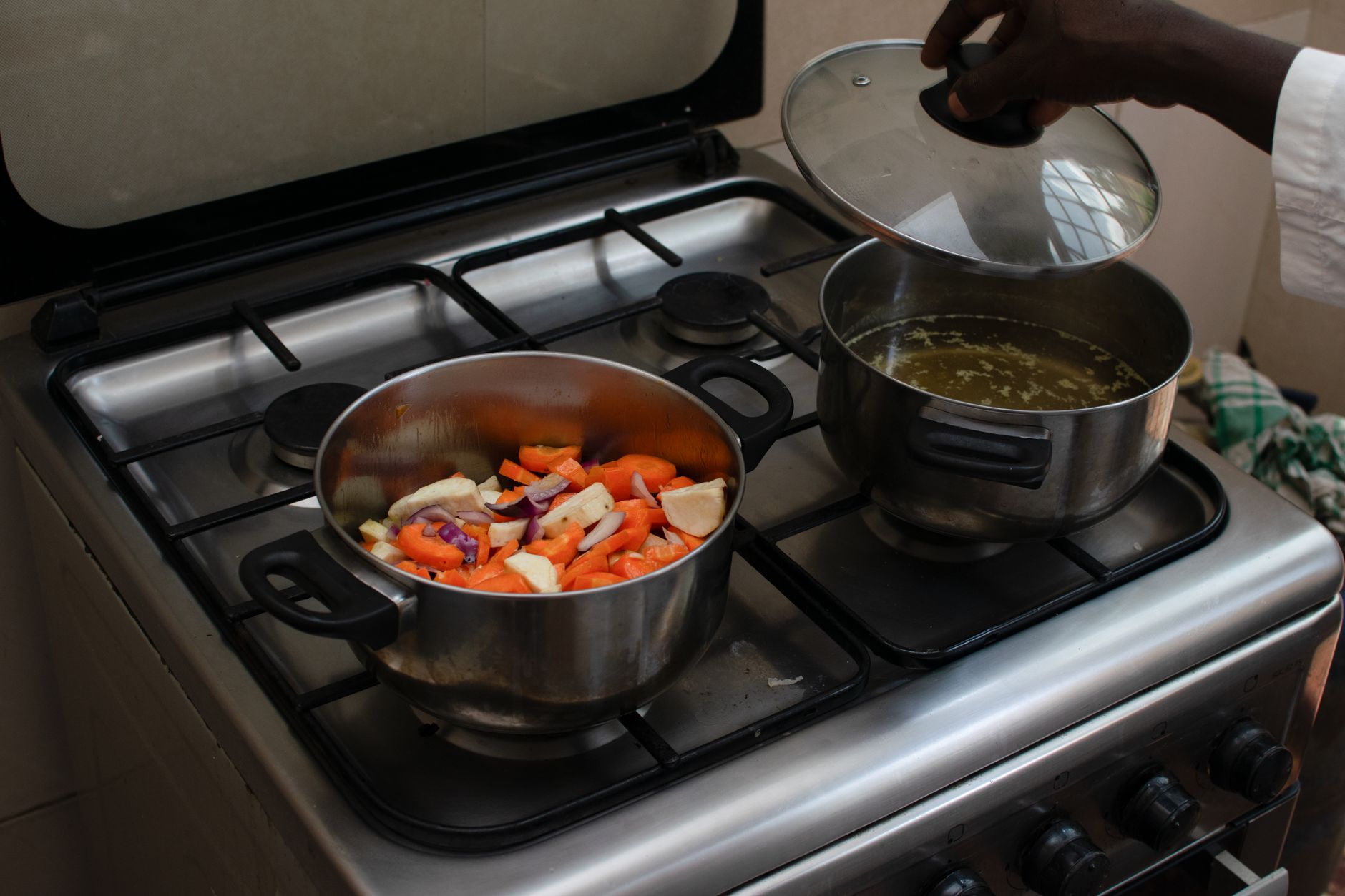
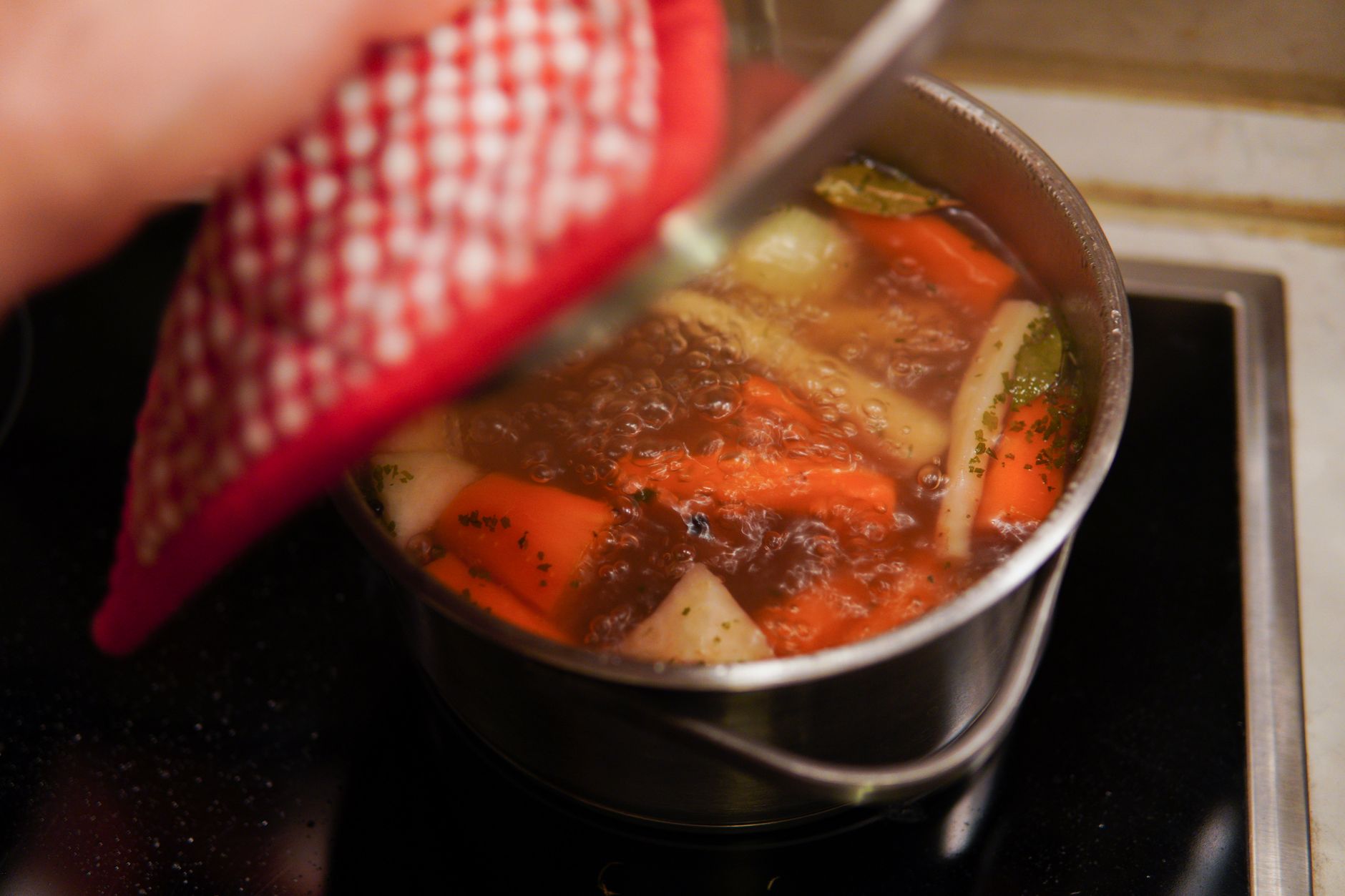
A good soup starts with a flavorful base. If you’ve been saving vegetable trimmings, chicken bones, or parmesan rinds in your freezer, now’s the time to turn them into DIY broth. Simmer scraps with water, a pinch of salt, and any aromatics you have (onion ends, garlic cloves, herb stems). This not only extracts flavor but also makes use of items that might otherwise be discarded. Homemade broth is adaptable: add a splash of vinegar to draw out minerals from bones or toss in a bay leaf for depth. If you’re short on time, a carton of low-sodium broth works just fine—doctor it up with a splash of soy sauce or a squeeze of lemon to boost flavor. Even a cup of pasta water or the liquid from canned beans can add body and subtle taste. The goal is to create a base that’s rich enough to support your mix-ins but neutral enough to let their flavors shine. For a deeper dive into broth versus stock and how to make each from scraps, see /posts/broth-versus-stock-home-cooking.
Flavor Pairings: Making It Taste Like a Real Meal
The difference between a soup that tastes homemade and one that tastes like a fridge cleanout comes down to balance. A few tips:
Combine a mix of textures: leafy greens, beans, small pasta shapes, or diced potatoes.
Layer flavors with sautéed onions, garlic, or ginger at the start.
Add acidity (lemon juice, vinegar, tomatoes) to brighten up the finish.
Stir in a finishing touch: a swirl of olive oil, grated cheese, or fresh herbs just before serving.
This approach helps your soup from scraps feel intentional, not accidental.
Consider how flavors interact. Earthy root vegetables like carrots or parsnips pair well with sweet onions and a hint of spice from black pepper or chili flakes. Roasted meats can add savoriness, while a spoonful of tomato paste or miso deepens umami. If the soup tastes flat, a dash of vinegar or a squeeze of citrus can work wonders. Don’t hesitate to borrow from global cuisines—add a pinch of curry powder, a splash of soy sauce, or some chopped cilantro to nudge the soup in a new direction. The key is to taste as you go and adjust until the flavors are lively and balanced.
Safety First: Handling and Reheating Leftovers
Soup is forgiving, but food safety can’t be ignored. Always reheat leftovers to an internal temperature of 165°F (74°C) to kill potential bacteria. When adding already-cooked foods (like rice or roasted chicken) to your soup, add them in the last few minutes just to heat through, not to simmer endlessly. Store any uneaten soup in shallow containers and refrigerate within two hours. For more on safe reheating and storage, refer to the USDA’s internal temperature chart and FoodSafety.gov’s kitchen guidelines: https://www.fsis.usda.gov/food-safety/safe-food-handling-and-preparation/food-safety-basics/safe-temperature-chart and https://www.foodsafety.gov/keep-food-safe.
Safe food handling starts before the pot hits the stove. Wash hands thoroughly before prepping ingredients and clean cutting boards after handling raw proteins. If using scraps that were previously frozen, thaw them safely in the refrigerator, not on the counter. When reheating, stir the soup to distribute heat evenly and check the temperature in several spots. If you’re storing leftovers, cool the soup quickly by dividing it into smaller containers. According to the National Center for Home Food Preservation, rapid cooling is crucial to prevent bacterial growth (https://nchfp.uga.edu/).
Vegetable Scraps: What Works, What Doesn’t
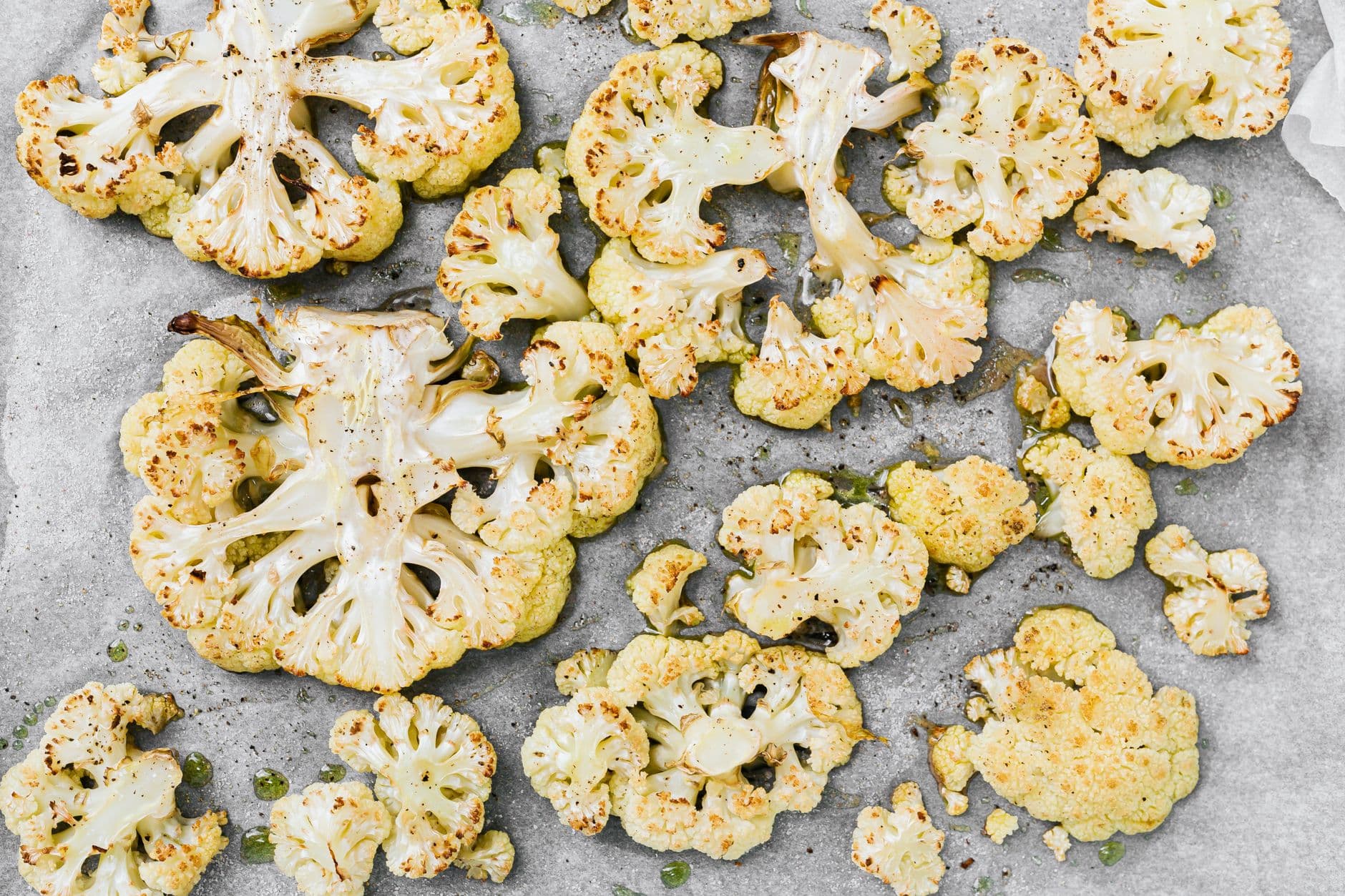
The best scraps for soup are those that still have life left in them: celery tops, carrot ends, kale stems, or even the last scoop of pureed squash. Avoid brassica trimmings like broccoli or cauliflower stems, which can turn bitter with long cooking. Potato peels, while edible, can muddy the texture unless well-scrubbed and used in small amounts. Save the tougher, more fibrous scraps for homemade broth rather than the finished soup.
A little creativity goes a long way. Wilted spinach or chard can be revived in hot broth. Herb stems (parsley, cilantro, dill) add aroma, especially when tied in a bundle and simmered, then removed before serving. Even the last bits of roasted vegetables—think caramelized onions, peppers, or squash—bring depth and sweetness. If you have a small amount of leftover salad greens, toss them in at the end for a fresh finish. The main rule: if it smells good and isn’t slimy or moldy, it’s probably fair game.
A cup of shredded rotisserie chicken, a few slices of leftover steak, or even the beans from last night’s taco night all have a place in weeknight soup. Cut proteins into bite-sized pieces so they heat evenly and distribute throughout the bowl. If using raw meat, be sure to simmer until fully cooked—refer to the USDA’s temperature chart for guidance. Most often, you’ll be using already-cooked protein, which should be added at the end to prevent overcooking and dryness.
Eggs are another underappreciated addition. Beat an egg and swirl it into simmering broth for a silky finish, or poach eggs directly in the soup for a heartier meal. Tofu, tempeh, or even a handful of cooked lentils can add substance for plant-based eaters. If you have only a small amount of meat, stretch it with beans or grains to make the soup feel more substantial.
Starches and Grains: The Secret to Hearty Soup
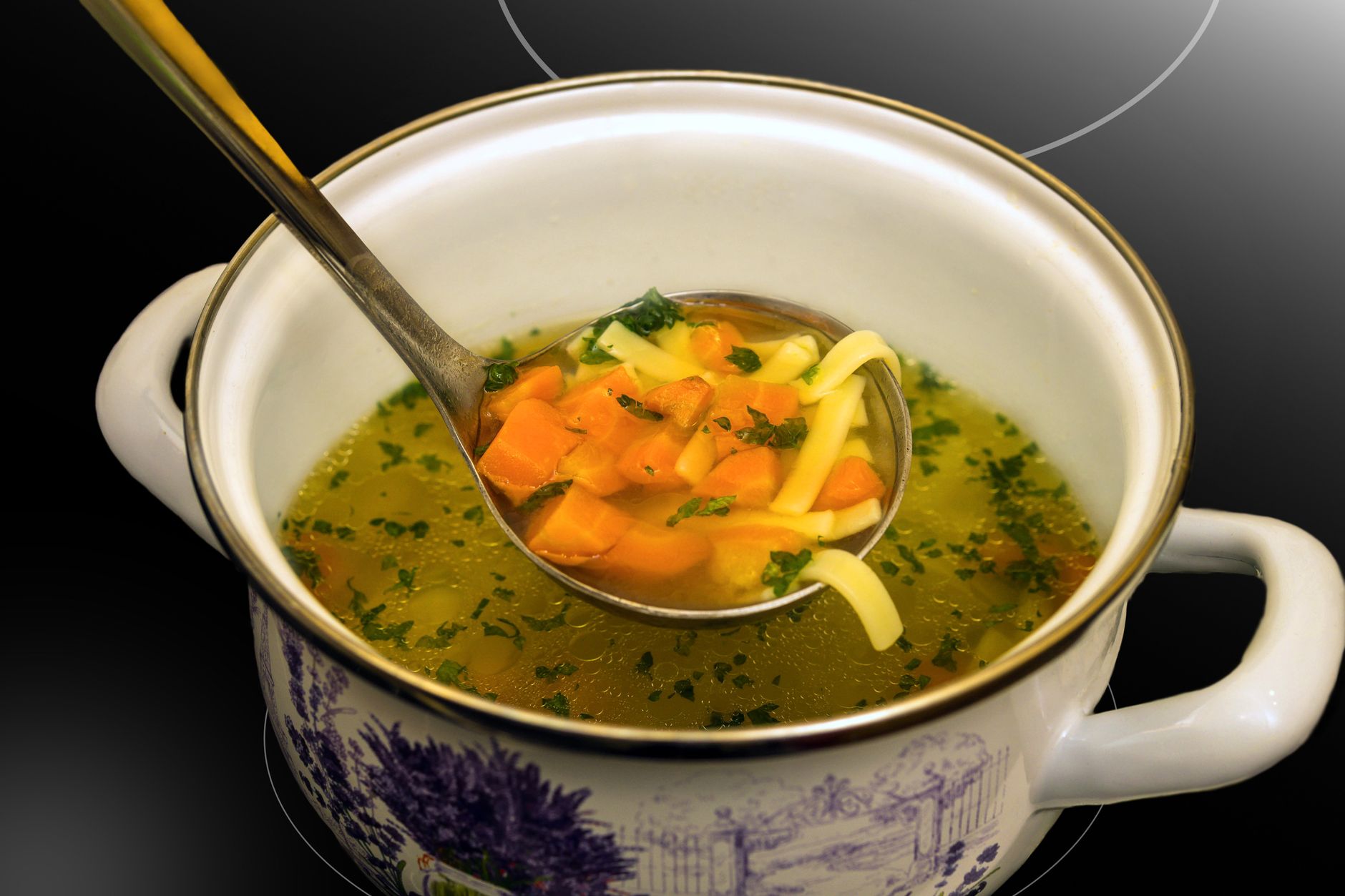
Grains and pasta can transform a thin broth into a filling meal. Add cooked rice, barley, or small pasta shapes just before serving to prevent them from absorbing too much liquid and turning mushy. If you have uncooked grains, cook them separately and stir in at the end, or start them in the broth if you have time. Even a handful of stale bread, torn into chunks, can thicken and enrich the soup—a trick borrowed from Italian cucina povera traditions.
Potatoes, sweet potatoes, and even corn kernels provide body and sweetness. If using leftover risotto or pilaf, add it at the very end for a creamy texture. For gluten-free options, try cooked quinoa or millet. The variety of starches available means that soup from scraps never has to be repetitive, even if you make it every week.
Layering and Timing: Getting the Most From Each Ingredient
The order in which ingredients are added can make a big difference in the final soup. Start by sautéing aromatics—onions, garlic, leeks, or ginger—in a little oil to build a flavor base. Next, add harder vegetables like carrots or celery and cook until just softened. Pour in your broth and bring to a simmer. Only then should you add more delicate ingredients: leafy greens, cooked grains, or proteins. This stepwise approach ensures that nothing turns mushy or overcooked.
Timing is also crucial for leftovers. Add fragile items, like cooked pasta or greens, in the last few minutes to preserve their texture. If using dairy (cream, milk, or cheese), stir it in off the heat to prevent curdling. Taste and adjust seasoning at several points along the way—broth from scraps can vary in saltiness and intensity, so a little attention here pays off.
The final flourish is what makes your soup feel like dinner, not a last resort. Taste for salt and acid, adjust as needed, and consider a finishing drizzle of olive oil, a sprinkle of grated cheese, or a handful of fresh herbs. Serve with crusty bread or a simple salad if you have it. For more on transforming leftovers into something new and satisfying, see /posts/leftover-transformation-second-dinner.
A squeeze of lemon or a dash of vinegar at the end can lift flavors, especially in soups heavy with beans or greens. For a richer finish, stir in a spoonful of pesto, a dollop of yogurt, or a swirl of chili crisp. These touches give the soup a sense of completion and make it feel like a meal crafted with care.
Why Soup from Scraps Is a Weeknight Lifesaver
Soup from scraps isn’t just about thrift. It’s a flexible, forgiving method that rewards creativity and reduces food waste. With a little attention to food safety and a few thoughtful additions, you can turn your odds and ends into a meal that feels like it was planned all along. The next time you’re staring down a random assortment of leftovers, reach for a pot—you might be surprised by what comes together.
Beyond the practical benefits, this approach fosters a more mindful relationship with food. It encourages cooks to see value in what’s already on hand, to experiment with flavor and texture, and to waste less in the process. Over time, the habit of making soup from scraps can reshape how ingredients are stored, how meals are planned, and how waste is perceived. It’s a small but meaningful way to eat better and more sustainably, one bowl at a time.
Jordan Mitchell leads FeedsAtlas coverage of weeknight cooking. The work focuses on clear methods, realistic timing, and meals that fit an ordinary evening without restaurant recaps or chef-speak.
Home cooks love the promise of sheet-pan dinners: less mess, fewer pans, and (in theory) beautifully caramelized vegetables. Too often, though, the broccoli is soft and gray, the carrots limp, and everything tastes like it spent too long in a sauna. The culprit isn’t your oven—it’s usually a matter of timing, spacing, and water. Crowd the pan and vegetables steam; give them room and they brown, even on a weeknight.
Anyone who’s tried to toss spaghetti with a homemade sauce and ended up with a pool at the bottom of the bowl knows: weeknight pasta can go wrong in ways that feel unfair. One of the most common frustrations is a sauce that slides off the noodles instead of coating them. The fix—the strategic use of pasta water—sounds simple, but plenty of home cooks hit snags. Here’s how to make pasta water work for you, why it matters, and what to do when it doesn’t go as planned.
You open the fridge, spot a container of cold rice, and wonder whether it’s destined to languish or can become dinner. The answer isn’t just about what you crave—it’s about food safety, timing, and what else you have on hand. This guide walks through the main ways to transform leftover rice into a full meal, with practical advice on when to choose each method, how to keep things safe, and how to make the most of your pantry. From speedy fried rice to simmered soups and hearty casseroles, here’s how to make leftover rice dinner-worthy.
Every home cook faces the weeknight chicken dilemma: Should you reach for a skillet, a sheet pan, or a Dutch oven? The right one-pan chicken method can mean the difference between a crisp, flavorful dinner and a soggy, stressful mess. Here is how to choose a style for a reliable weeknight chicken dinner, avoid limp vegetables or overcooked meat, and handle leftovers safely.
Burgers are weeknight gold—quick to cook, satisfying, and endlessly customizable. But the question of doneness can turn a simple dinner into a guessing game. No one wants to serve a hockey puck, but undercooked beef is a real food safety risk. Instead of slicing open every patty and losing those precious juices, you can master burger doneness temperature with a few reliable kitchen moves. Here’s how to sequence your evening for juicy, safe burgers every time, without the second-guessing or mess.
A stir fry can be the hero of a busy weeknight—unless the prep gets away from you. Learn how a sharp mise en place not only saves dinner from singed garlic and limp vegetables, but lets you cook confidently at high heat. This walkthrough covers the real steps and decisions, from knife work to food safety, that turn a frantic scramble into a smooth, sizzling finish.