Skillet Eggs That Count as Dinner, Not Just Breakfast
Jordan Mitchell··11 min read
Weeknight dinners can feel like a puzzle—especially when you’re short on time, energy, or groceries. But eggs, often relegated to breakfast, can be the answer. With a skillet, a few pantry staples, and a little attention to food safety, skillet eggs for dinner become a deeply satisfying, fast, and flexible meal. This feature walks through the criteria for making skillet eggs genuinely count as dinner, not just a backup, and highlights tips for flavor, texture, and safe handling.
The Dinner Dilemma: Why Eggs Deserve a Place at the Table
It’s 6:30 p.m. The fridge looks uninspiring. The idea of another takeout order is less appealing than your dwindling energy. Eggs—humble, affordable, and often overlooked for dinner—are sitting right there. The challenge: how to make them feel like a real meal, not just breakfast-for-dinner. The answer lies in the skillet. With a few good decisions, eggs become a main event that satisfies, stretches pantry odds and ends, and brings flavor-forward results on even the busiest nights.
Eggs are a nutritional powerhouse, offering high-quality protein, vitamins, and minerals. Their versatility means they can be transformed with whatever is on hand, from leftover vegetables to pantry staples like beans or grains. Unlike many proteins, eggs cook quickly and adapt to a wide range of cuisines and flavor profiles. When thoughtfully prepared, skillet eggs can anchor a meal that feels complete, balanced, and satisfying—no matter what the clock or fridge says.
Skillet Size and Material: Start Strong
For dinner-worthy eggs, pick a skillet that’s large enough to hold everything without crowding. Ten to twelve inches is the sweet spot for most households. Cast iron or a heavy stainless pan delivers even heat and encourages browning. Nonstick is fine, but won’t develop the same fond or crispy edges. If you’re eyeing a one-pan meal, a deep-sided skillet (like those used for hearty braises or saucy dishes) can manage sauces and vegetables alongside eggs.
A heavier skillet helps prevent hot spots, which is especially important when cooking eggs with vegetables or other add-ins that need even heat. If using cast iron, preheat thoroughly and use enough fat to prevent sticking. Stainless steel rewards patience—let the pan heat, add oil, and wait until the oil shimmers before adding ingredients. Nonstick pans make cleanup easy and are helpful for delicate egg dishes, but avoid using metal utensils to preserve the coating.
The right skillet is not just about size, but about how it interacts with the ingredients. A wider pan allows for more surface area, which means more browning and less steaming. This is key for building flavor, especially if the eggs are sharing space with vegetables, meats, or grains.
Eggs as a Canvas: Build a Dinner Base
What separates skillet eggs for dinner from a basic scramble is what you do before the eggs go in. Start with aromatics—onions, garlic, or leeks—softened in oil or butter. Add hearty vegetables like peppers, greens, or mushrooms, letting them brown and shrink. If you have a can of tomatoes, they bring acidity and body. Even leftover roasted vegetables or cooked grains can be folded in. The key: build layers of flavor and substance so the eggs are the crown, not the whole show.
Aromatics are the foundation, infusing the oil and setting the tone for the dish. Sauté onions until golden for sweetness, or cook garlic until fragrant for a punchier base. Next, add vegetables that need more time to cook—peppers, mushrooms, or root vegetables—giving them space to caramelize. Leafy greens like spinach or kale can be added last, wilting quickly and adding color and nutrition.
For extra heartiness, consider folding in beans (chickpeas, black beans, or white beans), cooked lentils, or grains like rice, farro, or quinoa. These additions make the meal more substantial and help stretch a few eggs into dinner for more people. The base can be seasoned with spices—smoked paprika, cumin, chili flakes—or finished with a splash of vinegar or lemon juice for brightness.
The goal is to create a flavorful, textured bed for the eggs, one that feels intentional and satisfying.
The Egg Decision: Whole, Scrambled, or Poached?
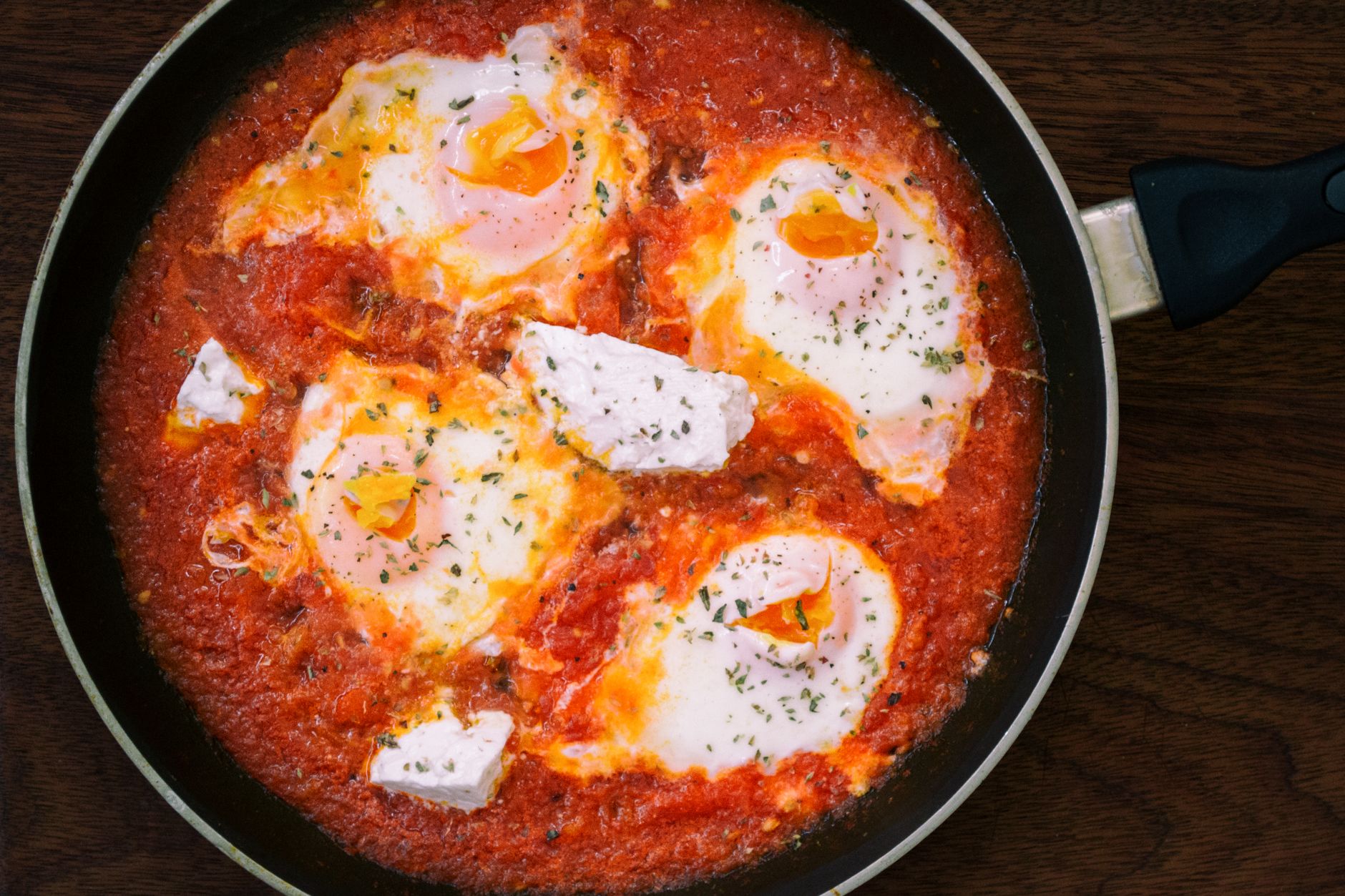
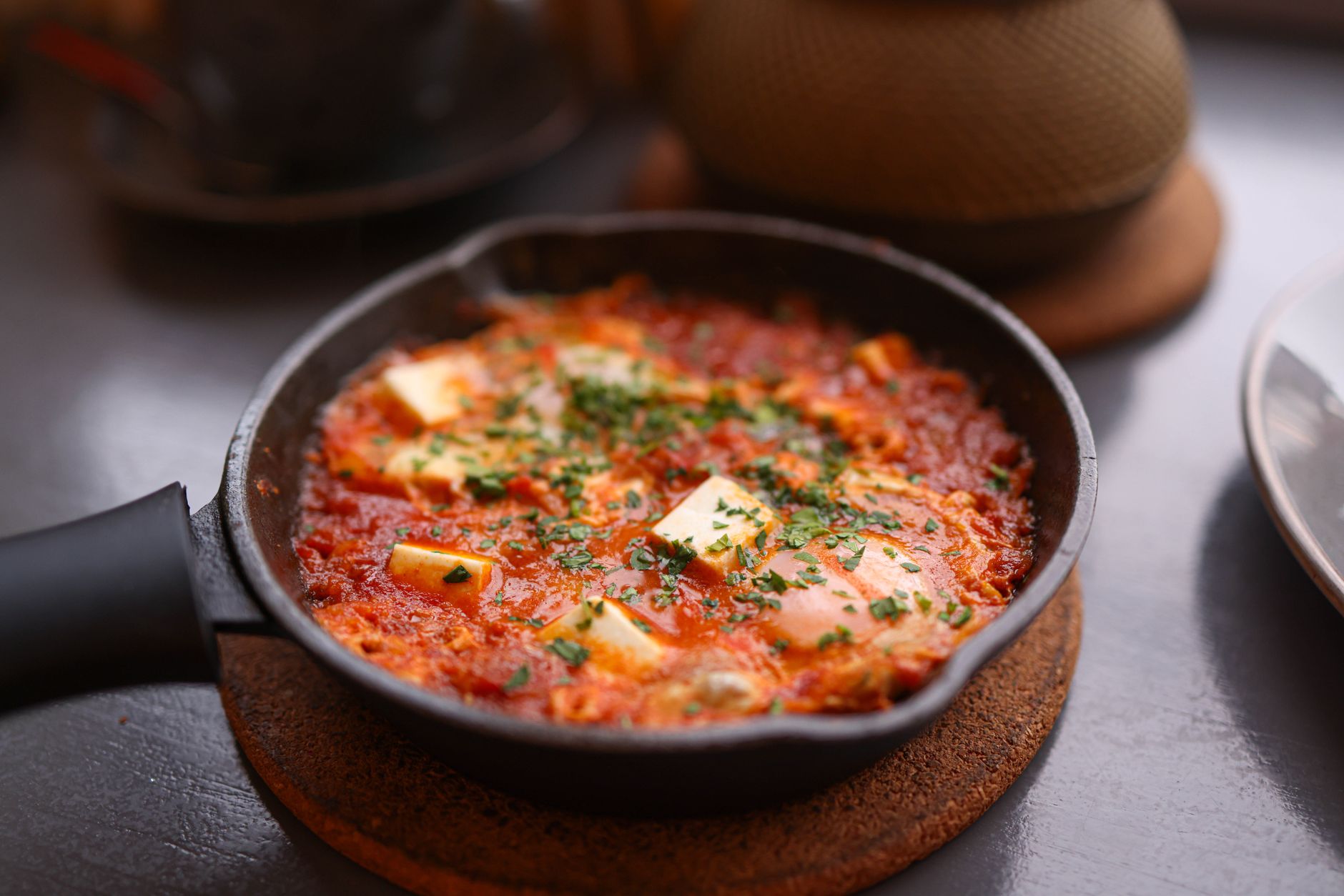
Dinner eggs can be cracked whole into simmering sauce or vegetables, gently poached in their own steam, or whisked and poured for a soft set. Cracking whole eggs onto a thick vegetable or tomato base yields a dish reminiscent of shakshuka—saucy, hearty, and scoopable. Scrambled or stirred eggs blend everything together, making it easy to stretch a few eggs into a meal for more people. Poaching in a skillet works best with a lid and a little added liquid. Each method brings a different texture and level of richness to the plate.
Whole eggs create visual appeal and allow for runny yolks, which can mingle with the base and act as a sauce. This is ideal for dishes where the eggs are the star, such as eggs baked in tomato sauce or on top of sautéed greens. Scrambled eggs are forgiving and ideal for mixing in lots of add-ins. For a creamy texture, cook them gently over medium-low heat, stirring frequently and removing from the heat while still slightly soft—they’ll continue to set off the heat. Poached eggs in a skillet require a little water or broth, and a covered pan to trap steam. The result is tender whites and soft yolks, perfect for spooning over grains or vegetables.
Choose the method that best matches the mood and ingredients: whole eggs for drama, scrambled for comfort, poached for elegance.
Flavor Upgrades: Cheese, Herbs, and Pantry Staples
Once the eggs are nearly set, now’s the time for the extras that make skillet eggs feel like dinner. Sprinkle cheese over the top—feta, cheddar, or whatever odds and ends you have. Fresh herbs (parsley, cilantro, dill) add color and freshness. Olives, jarred peppers, or a spoonful of pesto can transform the mood of the dish. Toasted bread or a heap of cooked grains on the side rounds out the meal. The most memorable skillet eggs for dinner come from layering these finishing touches.
Cheese not only adds richness and flavor, but also helps bind the ingredients together. Crumble feta or goat cheese for tang, or use shredded cheddar or mozzarella for meltiness. Herbs are best added at the end to preserve their brightness—try a shower of chopped parsley, chives, or dill. Pantry staples like capers, sun-dried tomatoes, or hot sauce can add pops of flavor and complexity.
For a Mediterranean twist, finish with a drizzle of good olive oil and a sprinkle of za’atar. For a southwestern vibe, try salsa, avocado, and a squeeze of lime. The finishing touches are what make skillet eggs feel like a composed dinner, not just a thrown-together meal.
Eggs should be cooked until both the white and yolk are firm, especially when serving a mixed group or storing leftovers. According to the USDA Food Safety and Inspection Service, eggs and egg dishes should reach an internal temperature of 160°F (71°C) to ensure safety (https://www.fsis.usda.gov/food-safety/safe-food-handling-and-preparation/food-safety-basics/safe-temperature-chart). Use a quick-read thermometer if you’re unsure, especially with thick or saucy skillets. Wash hands and utensils after handling raw eggs to avoid cross-contamination, as emphasized by the FDA (https://www.fda.gov/food/buy-store-serve-safe-food/food-safety-your-kitchen).
Safe handling starts before the eggs hit the pan. Store eggs in the coldest part of the refrigerator, not the door, to maintain a consistent temperature. When cracking eggs, avoid contact between the shell and the egg’s contents to minimize the risk of contamination. Always wash hands, cutting boards, and utensils with hot, soapy water after handling raw eggs. If using eggs in a dish that will be stored and reheated, make sure the entire dish reaches the recommended temperature.
Eggs are perishable and can harbor bacteria such as Salmonella if not handled properly. Cooking to the right temperature and practicing good kitchen hygiene are the best defenses against foodborne illness. For more details, consult the USDA’s Safe Temperature Chart and the FDA’s kitchen safety guidelines.
Leftovers and Reheating: Storing Skillet Eggs
Skillet eggs are best fresh, but leftovers can be safely stored for another meal. Cool leftovers quickly—within two hours—and transfer them to shallow containers before refrigerating. According to the USDA FSIS, leftovers should be eaten within 3–4 days and reheated to at least 165°F (74°C) before serving again (https://www.fsis.usda.gov/food-safety/safe-food-handling-and-preparation/food-safety-basics/leftovers-and-food-safety). Avoid letting eggs sit at room temperature for more than two hours; the 'danger zone' for bacterial growth is between 40°F and 140°F (https://www.foodsafety.gov/food-safety-charts/cold-food-storage-charts).
When storing, use shallow containers to allow for quick cooling. Label leftovers with the date to keep track of freshness. When reheating, cover the dish to retain moisture and heat evenly—microwaves can create hot spots, so stir or rotate as needed. If the eggs have been mixed with vegetables or grains, check the temperature in several spots to ensure safety. Discard any leftovers that have been left out too long or show signs of spoilage, such as off smells or slimy texture.
Egg-based dishes don’t always reheat to their original texture, but they can still make a satisfying lunch or quick dinner when handled properly. Consider repurposing leftovers into sandwiches, wraps, or grain bowls to keep things interesting.
Flexible Combos: Dinner Skillet Egg Ideas
If you’re staring at a nearly empty fridge or a glut of odds and ends, skillet eggs adapt. Some quick combinations:
Sautéed kale, chickpeas, and smoked paprika, finished with a soft poached egg
Mushrooms, spinach, and goat cheese, with eggs baked on top
Leftover roasted potatoes, scallions, and sharp cheddar folded into scrambled eggs
Tomato sauce, bell peppers, and cracked eggs, sprinkled with feta
Beyond these, the possibilities are nearly endless. Try artichoke hearts and olives for a Mediterranean spin, or black beans, corn, and salsa for a Tex-Mex approach. Use up small amounts of cooked sausage, ham, or bacon, or keep it vegetarian with plenty of greens and beans. The main rule: build enough flavor and substance under or alongside the eggs to make the meal feel intentional.
For more inspiration, look to global traditions: Turkish menemen, Spanish pisto with eggs, or Indian-style masala eggs. Each culture has its own way of turning eggs and vegetables into a satisfying dinner. The skillet is the common denominator, making it easy to riff on these ideas with what’s available.
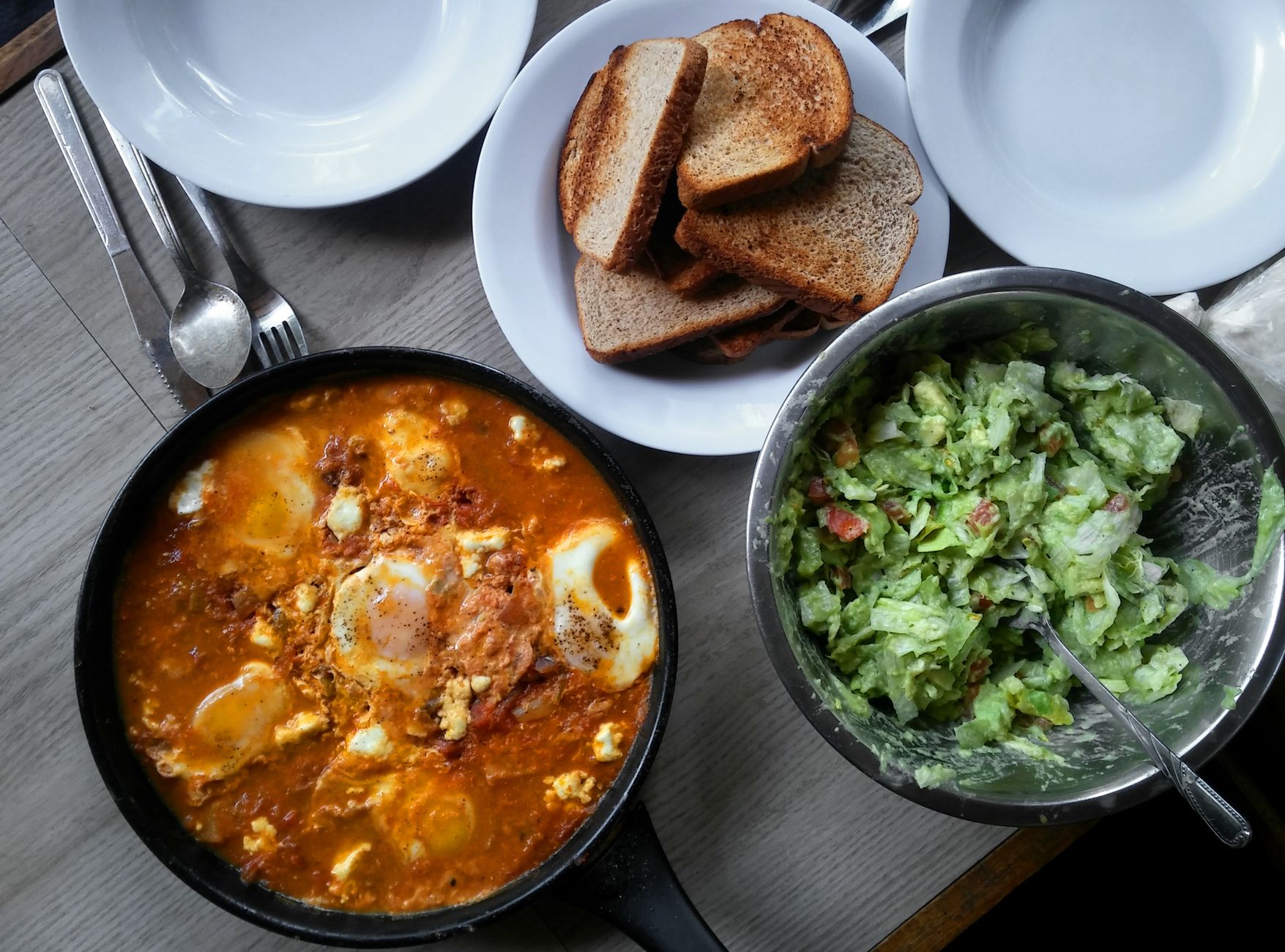
A skillet egg dish becomes dinner when it’s served with intention. Pile onto toasted sourdough, scoop over rice or grains, or tuck into a warm pita. A simple green salad or a few pickled vegetables on the side can bring brightness and crunch. Even on the most rushed evenings, these small gestures turn skillet eggs from fallback to centerpiece.
Contrast is key: a crisp salad or tangy pickles cut through the richness of the eggs. Bread or grains help soak up sauces and yolks, making the meal more filling. For a heartier spread, add roasted potatoes or a bean salad. If serving family-style, let everyone scoop their own, customizing with hot sauce, herbs, or cheese at the table.
Presentation matters, too. Serve skillet eggs straight from the pan for a rustic feel, or plate individually for a more composed look. A drizzle of olive oil, a sprinkle of fresh herbs, or a squeeze of lemon can elevate the simplest skillet eggs into a dinner worth lingering over.
Defrosting and Prepping Ingredients Safely
If using frozen vegetables, meats, or even eggs (yes, eggs can be frozen, though best used for baking or scrambling after thawing), proper defrosting is essential for food safety. According to the USDA FSIS, the safest methods for thawing are in the refrigerator, in cold water (changing the water every 30 minutes), or in the microwave if cooking immediately after. Never thaw foods at room temperature, as this can allow bacteria to multiply rapidly. For more on safe defrosting, see the USDA’s Big Thaw guide.
Once thawed, use ingredients promptly and keep them refrigerated if not cooking right away. Wash all produce under running water, even if it will be cooked, to remove dirt and potential contaminants. For meats or poultry added to skillet eggs, cook thoroughly before combining with eggs, and avoid letting raw proteins come into contact with ready-to-eat ingredients. These steps help ensure that every component of the dish is safe and delicious.
Jordan Mitchell leads FeedsAtlas coverage of weeknight cooking. The work focuses on clear methods, realistic timing, and meals that fit an ordinary evening without restaurant recaps or chef-speak.
Home cooks love the promise of sheet-pan dinners: less mess, fewer pans, and (in theory) beautifully caramelized vegetables. Too often, though, the broccoli is soft and gray, the carrots limp, and everything tastes like it spent too long in a sauna. The culprit isn’t your oven—it’s usually a matter of timing, spacing, and water. Crowd the pan and vegetables steam; give them room and they brown, even on a weeknight.
Anyone who’s tried to toss spaghetti with a homemade sauce and ended up with a pool at the bottom of the bowl knows: weeknight pasta can go wrong in ways that feel unfair. One of the most common frustrations is a sauce that slides off the noodles instead of coating them. The fix—the strategic use of pasta water—sounds simple, but plenty of home cooks hit snags. Here’s how to make pasta water work for you, why it matters, and what to do when it doesn’t go as planned.
You open the fridge, spot a container of cold rice, and wonder whether it’s destined to languish or can become dinner. The answer isn’t just about what you crave—it’s about food safety, timing, and what else you have on hand. This guide walks through the main ways to transform leftover rice into a full meal, with practical advice on when to choose each method, how to keep things safe, and how to make the most of your pantry. From speedy fried rice to simmered soups and hearty casseroles, here’s how to make leftover rice dinner-worthy.
Every home cook faces the weeknight chicken dilemma: Should you reach for a skillet, a sheet pan, or a Dutch oven? The right one-pan chicken method can mean the difference between a crisp, flavorful dinner and a soggy, stressful mess. Here is how to choose a style for a reliable weeknight chicken dinner, avoid limp vegetables or overcooked meat, and handle leftovers safely.
Burgers are weeknight gold—quick to cook, satisfying, and endlessly customizable. But the question of doneness can turn a simple dinner into a guessing game. No one wants to serve a hockey puck, but undercooked beef is a real food safety risk. Instead of slicing open every patty and losing those precious juices, you can master burger doneness temperature with a few reliable kitchen moves. Here’s how to sequence your evening for juicy, safe burgers every time, without the second-guessing or mess.
Every home cook faces the weekly reckoning: a fridge with limp vegetables, last night’s roast chicken bones, and a handful of cooked rice or pasta destined for the compost bin. Transforming these odds and ends into a comforting, cohesive meal can feel daunting on a weeknight. But soup from scraps isn’t just a thrifty trick—done right, it’s a deeply practical, satisfying way to feed yourself and reduce waste. Here’s how to assess your leftovers, ensure food safety, and build soup that tastes intentional, not accidental.