A Freezer Label System You Will Actually Read Later
Benjamin Shaw··9 min read
You reach into your freezer for a quick dinner and discover a half-dozen unmarked containers, all frosted and anonymous. Was that stew from last month or last winter? If you’ve ever played the guessing game with your frozen leftovers, you know the stress—and the waste—of a poorly labeled freezer. A practical freezer food label system doesn’t need to be fussy, but it does need to be readable, consistent, and actually used. Here’s a realistic look at how to set up a labeling habit you’ll stick with, through the lens of a typical evening in the home kitchen.
It’s early evening, and the kitchen is humming with the anticipation of dinner. The plan: a quick meal from last week’s batch cooking, something easy to reheat. The reality: opening the freezer to a jumble of containers, each one frosted and anonymous. Some have faded sticky notes, others are completely unmarked, and all are indistinguishable under a layer of ice crystals. There’s a moment of hesitation—was this stew from last month, or last winter? The risk is real: food waste, safety concerns, and the scramble to change dinner plans at the last minute. This is the everyday scenario that a good freezer food label system is designed to prevent. A little forethought now means less stress and more confidence later, especially when time is tight and hunger is high.
What Makes a Label System Work (or Fail)
Labeling systems often fail for two main reasons: they’re too much work, or they simply don’t stand up to the cold. Most people set out with good intentions, but if the system is complicated or time-consuming, it’s easy to skip—especially at the end of a long day. If the label falls off or becomes illegible, all the effort is wasted. The most effective system is quick, durable, and readable at a glance. Every label should answer three questions: What is this? When was it frozen? How should it be used? The answers don’t need to be elaborate, just clear. Simplicity and consistency are the keys to a system you’ll actually stick with, even when you’re tired or distracted.
The 30-Second Label Routine
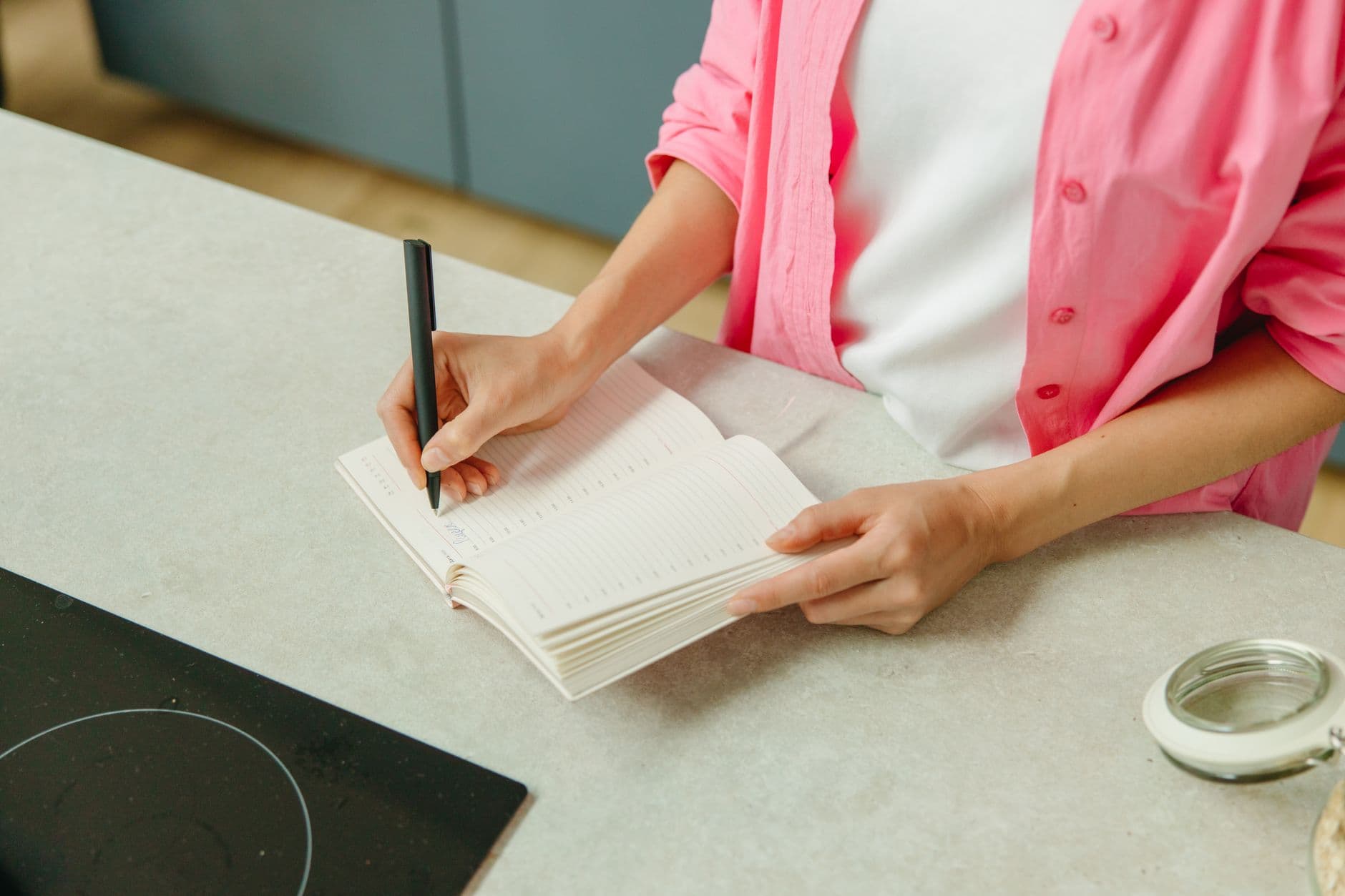
Imagine the scene after dinner: leftovers are portioned out, ready for the freezer. The critical moment isn’t during cooking, but right after, as food is transferred to containers. The labels and a permanent marker live in a kitchen drawer, always within reach. The routine is simple: write the name of the food ('Chicken Tortilla Soup'), the date ('6/12/24'), and, if it’s not obvious, a quick note ('spicy, thaw overnight'). This takes less than 30 seconds per container. The easier it is to grab the label and marker, the more likely the system will be used every time. This isn’t glamorous, but it’s realistic—and it works. Making labeling a habit, not a chore, is what keeps the freezer organized and meals safe.
Choosing the Right Materials
Not all labels are created equal, especially when it comes to freezer storage. Masking tape tends to peel off in the cold, and sticky notes dissolve under condensation. Freezer-specific labels or painter’s tape are reliable choices: they stick well in cold temperatures and peel off cleanly when it’s time to use the food. A permanent marker ensures bold, smudge-proof writing that won’t fade or run, even after weeks or months in the freezer. For those who want a more polished look or are freezing meals for others, printable freezer labels are an option, but for most home kitchens, a roll of tape and a marker is the low-fuss sweet spot. The materials don’t need to be fancy—just effective and easy to use.
Label Placement: Where You Stick Matters
It might seem trivial, but the placement of the label can make or break the system. Always put labels on the side of the container that will face out in the freezer, not on the lid or the bottom. This allows for quick identification without having to move or open every container. For freezer bags, label the flat surface before filling to avoid smearing. Consistent placement means you can scan your freezer and know what’s inside at a glance, saving time and frustration on busy nights. A little attention to detail now makes meal planning and retrieval much easier later.
Decoding Dates and Safe Storage Times
Knowing when something was frozen is only half the story; understanding how long it’s safe to eat is equally important. According to the USDA Food Safety and Inspection Service, leftovers should be eaten within three to four months for best quality, though food kept frozen at 0°F or below remains safe indefinitely. However, taste and texture can decline over time. Clear dates on every label help track freshness, and rotating older items to the front of the freezer ensures nothing gets lost or forgotten. If there’s any doubt about how long a particular food keeps, official guidelines from sources like FoodSafety.gov provide detailed charts and advice. Keeping these timelines in mind helps prevent foodborne illness and reduces waste.
Thawing and Reheating: Label Notes That Matter
A well-written label does more than identify food—it saves time and keeps meals safe when it’s time to eat. If a dish needs special thawing instructions, such as thawing overnight in the refrigerator, a quick note on the label makes all the difference. For reheating, a reminder about the correct temperature is valuable: leftovers should be reheated to 165°F to ensure safety, according to USDA guidelines. Including these small details prevents last-minute guesswork and helps maintain both flavor and safety. For example, labeling a container with 'thaw overnight, reheat to 165°F' turns a frozen mystery into a stress-free dinner.
A Realistic Evening: Putting the System to Work
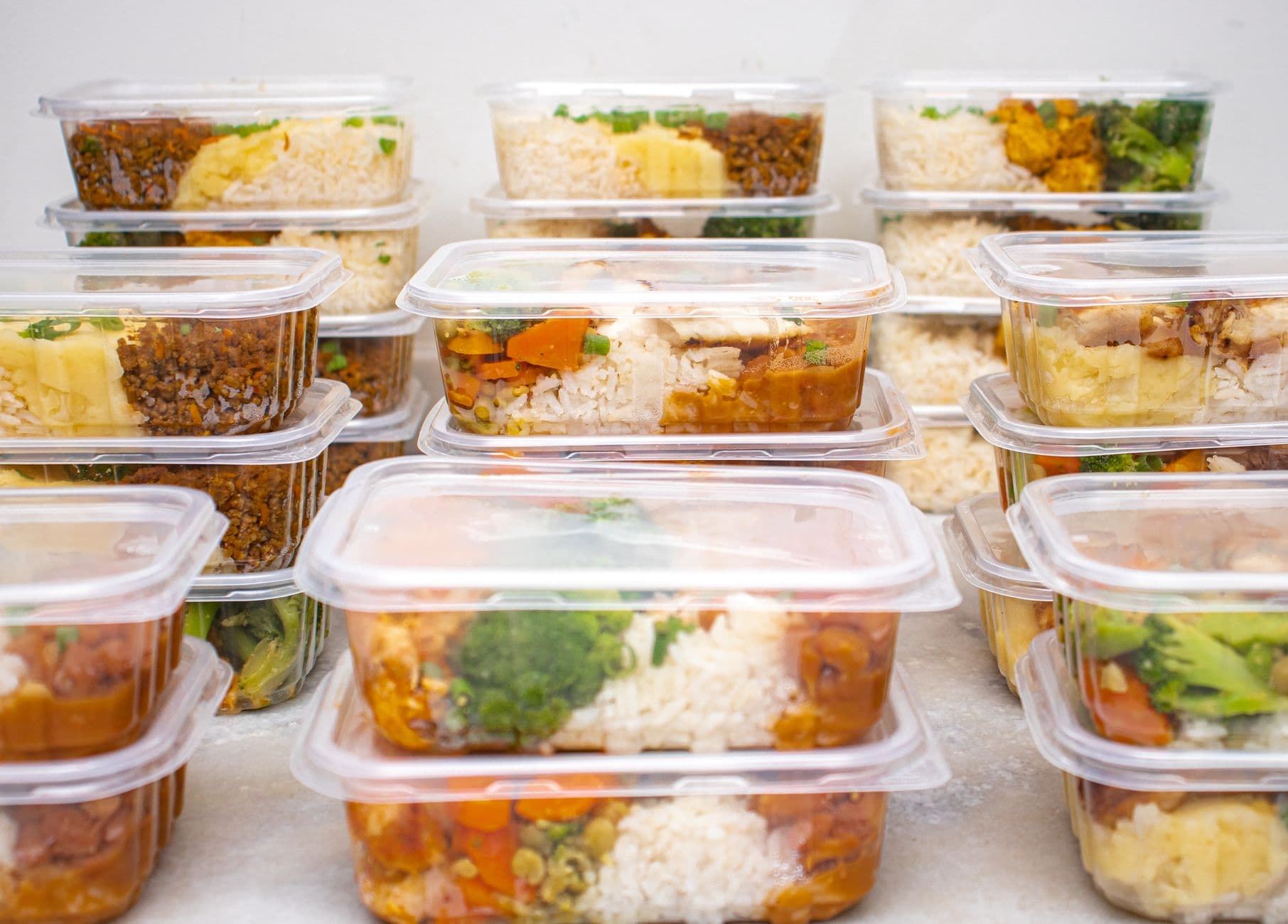
The evening routine in a busy kitchen is a balancing act between efficiency and safety. After dinner, as dishes are cleared and leftovers are packed up, the labeling system is put to the test. The labels and marker are right where they should be, making the process automatic. The soup goes into a container, labeled with the name, date, and a note about spiciness. The last portion of lasagna is sealed in a freezer bag, the label stuck to the flat side before the food goes in. A quick scan of the freezer shows a row of clearly marked meals, each one ready for a future dinner. This small investment of time pays off in the days and weeks ahead, as meal planning becomes easier and food safety is never in doubt.
Building the Habit: Making the System Stick
Consistency is the secret to any kitchen system. Labels and a marker are kept in the same spot, always within reach. Food is labeled before it goes into the freezer—never after. The system becomes part of the cleanup routine, not just something reserved for big batch-cooking days. Over time, the habit becomes second nature. The labeled freezer stash also inspires meal planning: knowing exactly what’s on hand makes it easier to build quick dinners and reduce food waste. When the system is simple and reliable, it becomes a natural part of kitchen life, not an extra chore to dread.
Less Waste, More Confidence
A reliable freezer food label system transforms the freezer from a graveyard of forgotten meals into a well-organized extension of the pantry. Clear, consistent labeling leads to less food waste, safer meals, and greater confidence in meal planning. On busy nights, the effort of writing a label is rewarded with the ease of finding exactly what’s needed, knowing it’s safe and ready to use. The stress of guessing games and the risk of foodborne illness are replaced by a sense of control and efficiency. In the end, a few seconds spent labeling pays off with better meals and a more organized kitchen.
Food Safety and Freezer Labeling: Details That Matter
Proper labeling isn’t just about convenience; it’s a critical aspect of food safety. The National Center for Home Food Preservation and university extension programs emphasize that clear labeling helps track how long food has been stored and prevents the consumption of items past their prime. Freezing halts the growth of bacteria, but it doesn’t destroy them, so food should be frozen while still fresh and consumed within recommended timeframes for best quality. Thawing food safely—preferably in the refrigerator—reduces the risk of bacteria multiplying during the thaw. Labels that include both the freeze date and any special instructions help ensure safe handling from freezer to table. For more guidance, resources like FoodSafety.gov and the USDA FSIS offer comprehensive advice on safe storage, thawing, and reheating, reinforcing the value of a simple, effective labeling system.
Benjamin Shaw covers kitchen skills and meal planning for FeedsAtlas. The writing stays practical: knife setup, heat cues, leftover plans, and shopping from a short list.
You’re staring at a short grocery list, feeling efficient—until you get home and realize you forgot olive oil, salt, or coffee. Balancing concise shopping with the everyday staples your kitchen relies on is a dilemma for every home cook. Stick to a short list for the meal, then give the pantry a 30-second scan for oil, salt, and the one condiment you always run out of.
Cook once, eat twice plans often sound like a weeknight miracle—until you find yourself dreading round two of leftovers. Avoiding repetition isn’t magic; it’s a matter of understanding the points where most home cooks get tripped up, like limp reheats, flavor fatigue, and unsafe storage. Choose a flexible base, store it safely, and change the second night’s garnish, starch, or sauce so dinner does not feel like a rerun.
Turning dinner leftovers into tomorrow’s lunch is a practical way to save time, reduce food waste, and simplify your meal planning. But doing it well means more than just scooping last night’s meal into a container. The right approach can keep your lunch appetizing, safe, and actually something you’ll look forward to. Here’s how to make packing lunch from dinner leftovers a reliable, rewarding habit, with a step-by-step example to guide you.
Every home cook has faced the wilted arugula or forgotten half-onion at the back of the fridge. A weekly vegetable meal plan doesn’t just save money—it lets you enjoy the best of your market haul, from the delicate greens that barely last a day to the sturdy roots that can anchor next week’s meals. This narrative walks through a realistic evening in the kitchen, sequencing what to use when, with food safety worked into each step and pragmatic tips for keeping both flavor and freshness at their peak.
Batch-cooking grains can turn weeknight meals from stressful to seamless, but it’s also where many home cooks stumble—ending up with sticky, overcooked, or bland results. This editorial walks through a realistic evening of prepping big-batch grains, from choosing which ones to cook to chilling and storing them safely. You’ll learn how to avoid mush, keep flavors fresh, and make future dinners far easier (and tastier) without risking food safety missteps.
The moment you open the fridge and spot last night’s dinner, you’re faced with a choice: reheat and repeat, or transform leftovers dinner into something that feels fresh. With a little planning and a dash of creativity, you can turn yesterday’s meal into a satisfying second act—one that feels like a reward, not a rerun. Here’s how to rethink leftovers, keep food safety in mind, and build a new dinner with minimal fuss.