A Weekly Vegetable Plan That Uses the Fragile Ones First
Benjamin Shaw··12 min read
Every home cook has faced the wilted arugula or forgotten half-onion at the back of the fridge. A weekly vegetable meal plan doesn’t just save money—it lets you enjoy the best of your market haul, from the delicate greens that barely last a day to the sturdy roots that can anchor next week’s meals. This narrative walks through a realistic evening in the kitchen, sequencing what to use when, with food safety worked into each step and pragmatic tips for keeping both flavor and freshness at their peak.
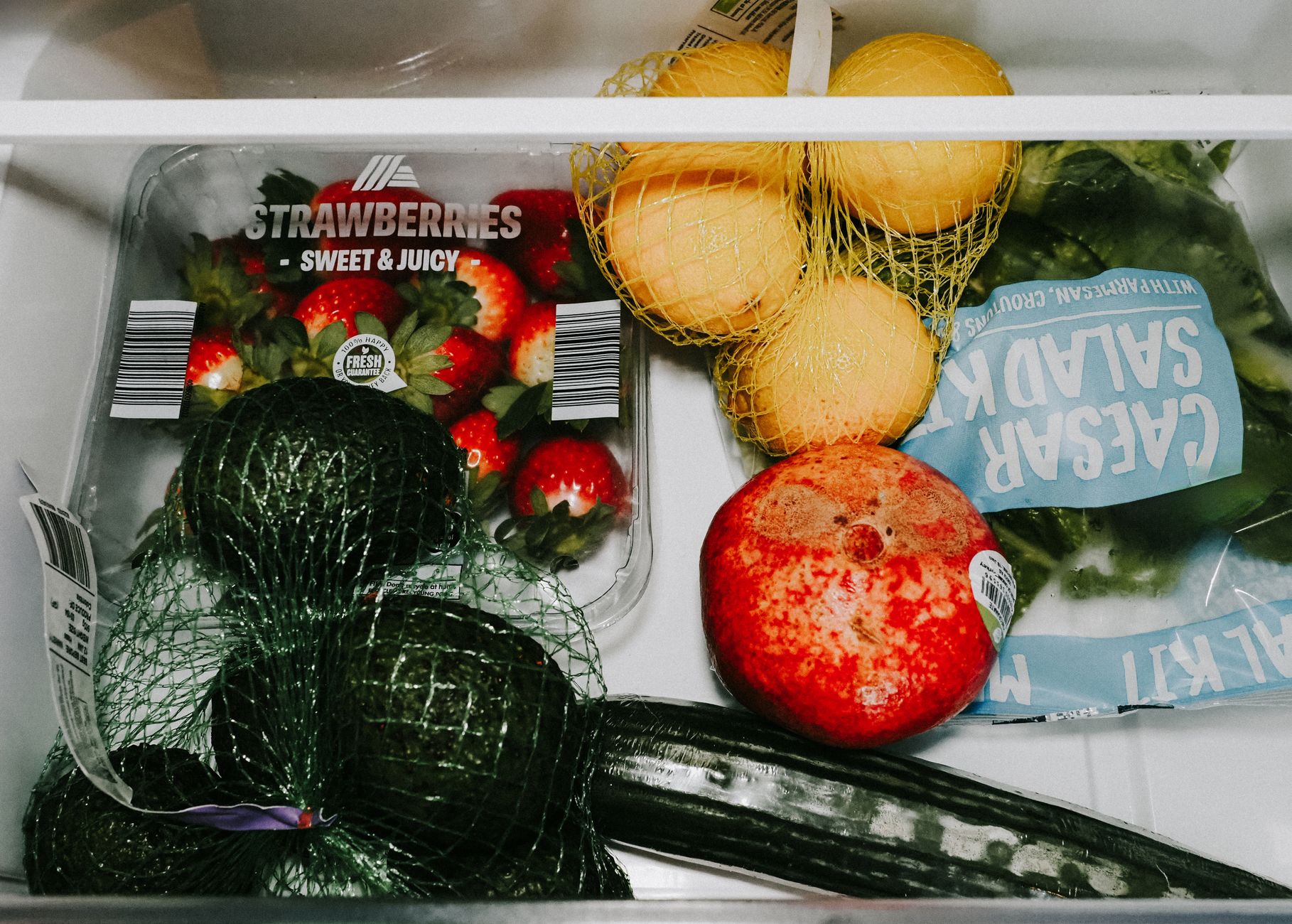
A trip to the market often starts with optimism: baskets brimming with leafy greens, fragrant herbs, snap peas, and a few root vegetables for later in the week. Yet by Thursday, the spinach has collapsed into mush, the cilantro is a puddle of green slime, and the only survivors are a limp carrot and a sense of regret. This is not just an issue of overbuying—it’s a matter of using vegetables out of sync with their natural shelf lives. Sequencing a weekly vegetable meal plan by perishability transforms produce from accidental compost into intentional meals. The strategy is simple: use the most fragile first, then work through the moderately sturdy, and save the hardiest for last.
References
The first evening after shopping is the time to showcase the most delicate produce: arugula, spinach, lettuce, basil, cilantro, and tender spring onions. These greens are notorious for wilting or rotting within a day or two, especially if not stored correctly. Before prepping, rinse all produce under running water and dry thoroughly. Excess moisture accelerates spoilage, so use a salad spinner or clean kitchen towel to remove water (U.S. FDA, Selecting and Serving Produce Safely).
A crisp salad, a pan of wilted greens, or a quick green sauce can put these fragile items to use while they’re at their best. Any leftover herb stems or green onion tops can be stored in a sealed container; they’ll add flavor to grains, broths, or omelets later in the week. Avoid washing greens before storage, as this excess moisture can hasten their decline. Instead, store them dry in a breathable bag or container lined with a paper towel.
By the second evening, attention turns to tender vegetables such as zucchini, mushrooms, asparagus, and tomatoes. These hold up for a few days but can lose their firmness and flavor quickly. Sheet pan cooking is a practical solution—roasting or broiling brings out their natural sweetness and keeps prep simple. For a balanced result, cut vegetables to similar sizes and avoid crowding the pan to prevent steaming.
If there are leftovers from the first night, this is the moment to repurpose them. Wilted greens can be folded into a frittata, tossed with pasta, or added to a grain bowl. The key is to use up what’s most perishable before it loses its appeal. When prepping these vegetables, keep raw produce separate from ready-to-eat foods to prevent cross-contamination (FDA, Food Safety in Your Kitchen).
Midweek: Crisp Veg, Fast Meals
As the week progresses, it’s time for the produce that can hang on a bit longer—broccoli, cauliflower, bell peppers, and green beans. These vegetables can last close to a week if kept dry and cool. Stir-fries, sautés, and simple sheet pan meals let these veggies shine. If you’re prepping ahead or storing leftovers, cool them quickly and store in shallow containers in the fridge. According to USDA FSIS, leftovers should be refrigerated within two hours and used within 3–4 days (USDA FSIS, Leftovers and Food Safety).
A midweek stir-fry is a reliable fallback. Sliced peppers and broccoli florets cook quickly and retain their crunch. For extra flavor, add in any saved herb stems or green onion tops from earlier in the week. If there’s leftover cooked rice or grains, use them as a base for a vegetable fried rice or a grain bowl. Always reheat leftovers to 165°F (74°C) to ensure food safety.
Late Week: Roots, Squash, and Cabbage
By Thursday or Friday, what’s left in the crisper are the hardiest vegetables: carrots, beets, potatoes, winter squash, and cabbage. These can last a week or more if stored properly, making them the backbone of late-week meals. Roasting brings out their sweetness, while mashing or stir-frying offers variety. If any roots begin to sprout or soften, trim away affected areas and use the rest promptly. For specific guidance on how long each type of vegetable will last, consult FoodSafety.gov’s Cold Food Storage Charts.
A tray of roasted root vegetables is a low-effort, high-reward dinner. Toss chopped carrots, beets, and potatoes with oil and roast until caramelized. Shredded cabbage can be sautéed with garlic for a quick side or added to soups. If any cooked vegetables remain, they’re easily transformed into a breakfast hash or blended into a soup.
The Leftovers Loop: Reinvent, Don’t Repeat
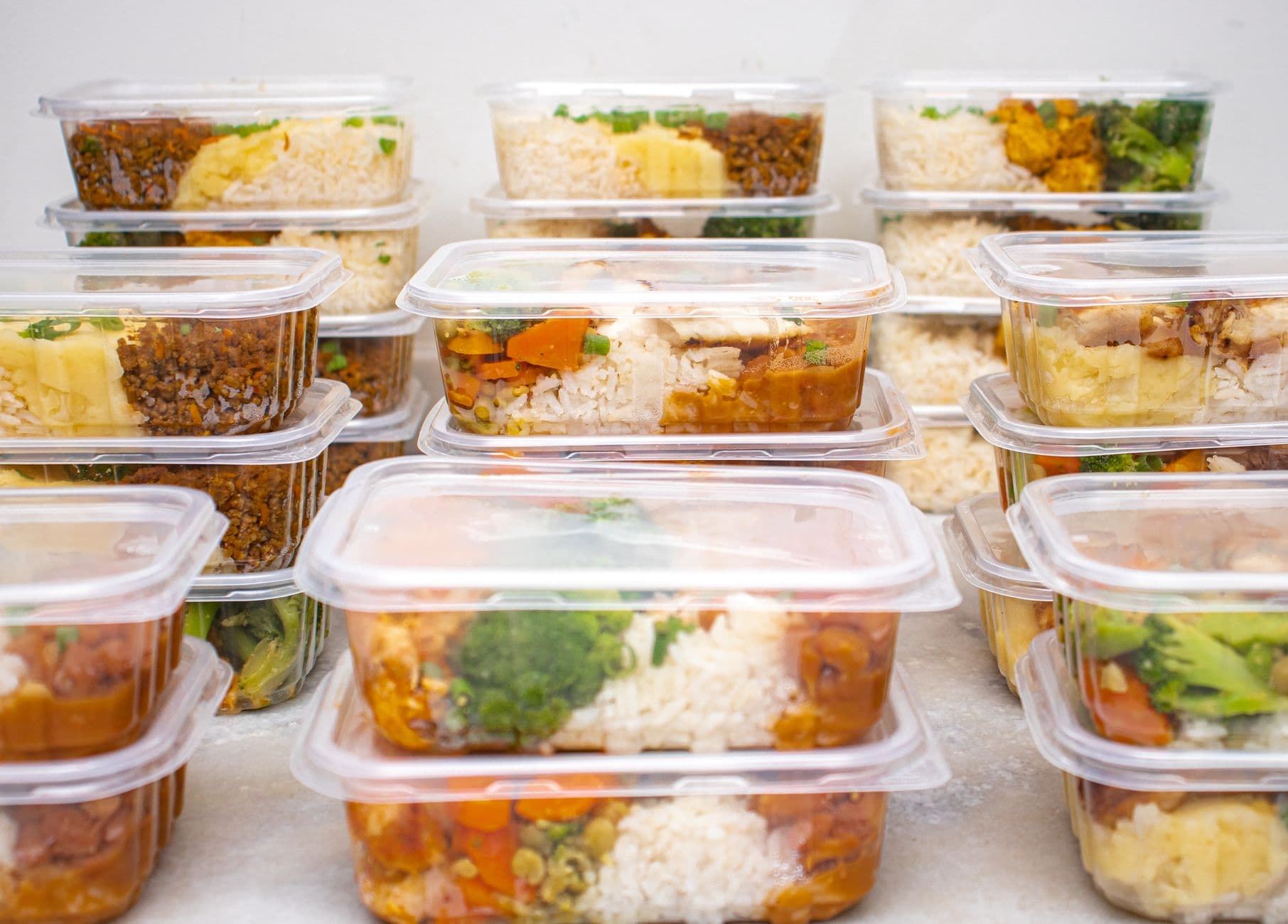
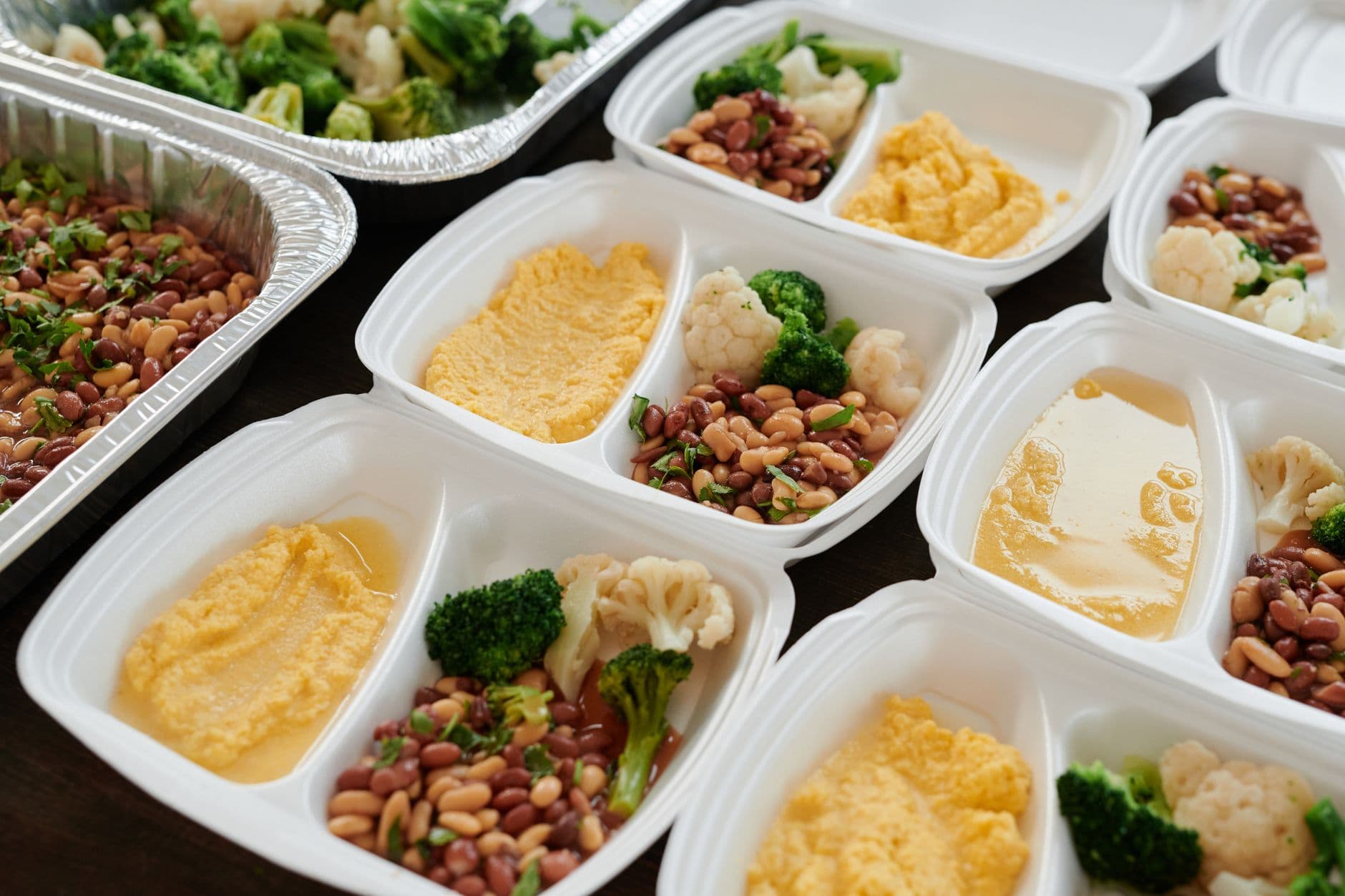
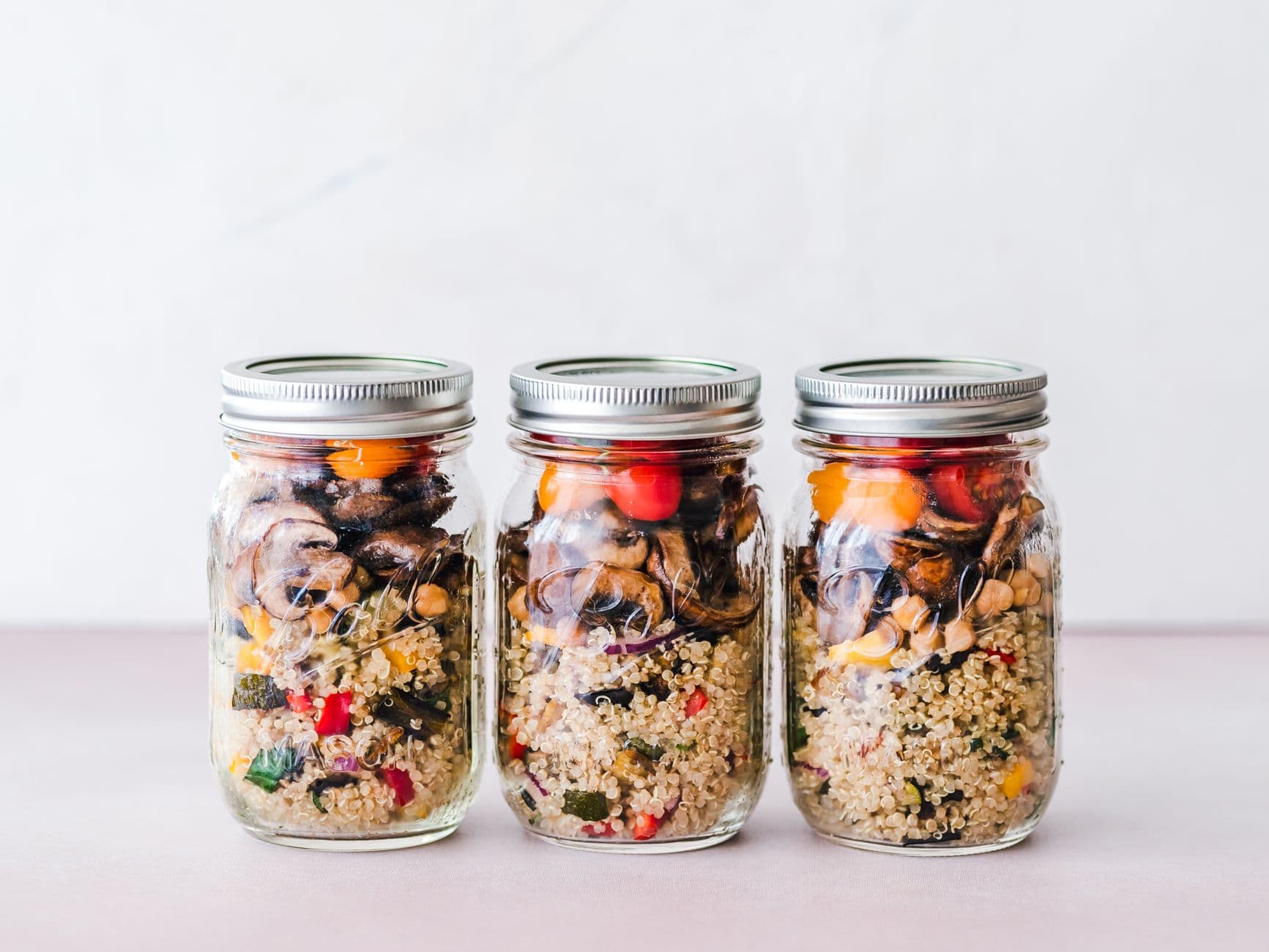
Leftovers are more than just reheated meals—they’re the foundation for new dishes. Roasted roots can become a breakfast hash, stray greens can enrich a soup, and odds and ends can be the base for a grain bowl. The key is to cool leftovers quickly, store them in shallow containers, and use within 3–4 days for peak safety and flavor (USDA FSIS, Leftovers and Food Safety). Label containers with the date to keep track of freshness. When reheating, ensure all parts of the food reach 165°F (74°C).
A practical approach is to plan for one or two flexible meals each week, designed to absorb whatever is left in the fridge. Grain bowls, frittatas, and soups are especially forgiving and help reduce food waste. For a streamlined approach to shopping for these flexible meals, see /posts/shopping-from-a-short-list.
How Long Do Vegetables Last?
Here’s a quick look at how long common vegetables last when stored properly in the refrigerator. Always wash vegetables just before use—not before storing—to avoid excess moisture. Storage times can vary based on fridge temperature and produce freshness at purchase, so check for signs of spoilage before use. For more detailed storage times, refer to the Cold Food Storage Charts from FoodSafety.gov.
Vegetable
Fridge Life (Days)
Lettuce, Spinach
1–3
Mushrooms, Asparagus
2–4
Broccoli, Peppers
4–7
Carrots, Beets, Cabbage
7–14
Defrosting and Freezing Extras
Sometimes, a vegetable bounty exceeds what can be used in a week. Freezing is a practical way to extend the life of surplus produce. Before freezing, most vegetables benefit from blanching—briefly boiling, then plunging into ice water—to preserve color, texture, and nutrients. Cool vegetables quickly and pack them in airtight containers or freezer bags, removing as much air as possible.
When it’s time to use frozen vegetables, safe thawing is essential. The USDA FSIS recommends thawing in the refrigerator, under cold running water, or in the microwave—never at room temperature, as this can allow bacteria to grow (USDA FSIS, The Big Thaw: Safe Defrosting Methods). Use thawed vegetables promptly and avoid refreezing them. For best quality, label containers with the date and use within recommended timeframes.
A Realistic Kitchen Flow
Sequencing a weekly vegetable meal plan isn’t just about extending shelf life—it’s about making the kitchen flow more naturally. Start with the most fragile items, then move through moderately sturdy vegetables, and finish with the roots and crucifers. Clean as you go, keep raw produce separate from ready-to-eat foods, and chill leftovers promptly (FDA, Food Safety in Your Kitchen). This rhythm keeps meals lively, reduces food waste, and ensures safety at every step.
A successful plan is flexible. If a vegetable looks like it’s nearing the end of its prime, move it up in the rotation. If there’s a surplus, freeze or cook it into a dish that can be enjoyed later. The goal is to enjoy the full spectrum of your market haul, savoring each vegetable at its peak.
Benjamin Shaw covers kitchen skills and meal planning for FeedsAtlas. The writing stays practical: knife setup, heat cues, leftover plans, and shopping from a short list.
You’re staring at a short grocery list, feeling efficient—until you get home and realize you forgot olive oil, salt, or coffee. Balancing concise shopping with the everyday staples your kitchen relies on is a dilemma for every home cook. Stick to a short list for the meal, then give the pantry a 30-second scan for oil, salt, and the one condiment you always run out of.
You reach into your freezer for a quick dinner and discover a half-dozen unmarked containers, all frosted and anonymous. Was that stew from last month or last winter? If you’ve ever played the guessing game with your frozen leftovers, you know the stress—and the waste—of a poorly labeled freezer. A practical freezer food label system doesn’t need to be fussy, but it does need to be readable, consistent, and actually used. Here’s a realistic look at how to set up a labeling habit you’ll stick with, through the lens of a typical evening in the home kitchen.
Cook once, eat twice plans often sound like a weeknight miracle—until you find yourself dreading round two of leftovers. Avoiding repetition isn’t magic; it’s a matter of understanding the points where most home cooks get tripped up, like limp reheats, flavor fatigue, and unsafe storage. Choose a flexible base, store it safely, and change the second night’s garnish, starch, or sauce so dinner does not feel like a rerun.
Turning dinner leftovers into tomorrow’s lunch is a practical way to save time, reduce food waste, and simplify your meal planning. But doing it well means more than just scooping last night’s meal into a container. The right approach can keep your lunch appetizing, safe, and actually something you’ll look forward to. Here’s how to make packing lunch from dinner leftovers a reliable, rewarding habit, with a step-by-step example to guide you.
Batch-cooking grains can turn weeknight meals from stressful to seamless, but it’s also where many home cooks stumble—ending up with sticky, overcooked, or bland results. This editorial walks through a realistic evening of prepping big-batch grains, from choosing which ones to cook to chilling and storing them safely. You’ll learn how to avoid mush, keep flavors fresh, and make future dinners far easier (and tastier) without risking food safety missteps.
The moment you open the fridge and spot last night’s dinner, you’re faced with a choice: reheat and repeat, or transform leftovers dinner into something that feels fresh. With a little planning and a dash of creativity, you can turn yesterday’s meal into a satisfying second act—one that feels like a reward, not a rerun. Here’s how to rethink leftovers, keep food safety in mind, and build a new dinner with minimal fuss.