A Two-Night Cook-Once Plan That Does Not Taste Like Repeats
Benjamin Shaw··9 min read
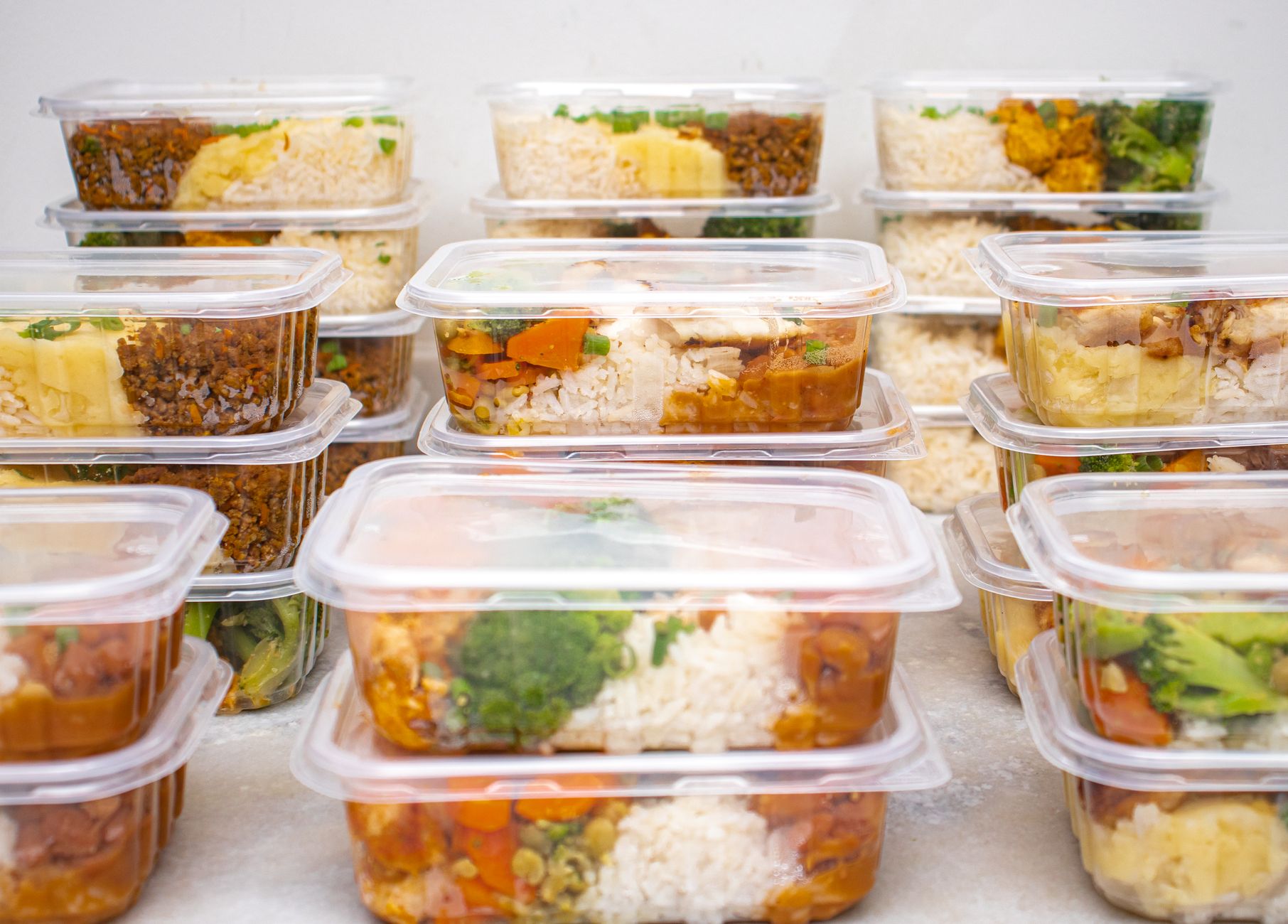
Cook once, eat twice plans often sound like a weeknight miracle—until you find yourself dreading round two of leftovers. Avoiding repetition isn’t magic; it’s a matter of understanding the points where most home cooks get tripped up, like limp reheats, flavor fatigue, and unsafe storage. Choose a flexible base, store it safely, and change the second night’s garnish, starch, or sauce so dinner does not feel like a rerun.
The idea is simple: make a big batch of something, then get two dinners out of it. In practice, most home cooks hit the same wall—the second meal feels like a sad rerun, limp and uninspired. Maybe the sauce separated, the flavors dulled, or the reheating left everything soggy. Even worse, the dread of leftovers can lead to food waste. If your household groans at the sight of last night’s dinner in a new bowl, you’re not alone. The good news: these aren’t inevitable outcomes, but the result of a few common missteps. Troubleshooting these issues means recognizing where the process breaks down, from recipe selection to storage, and making small but effective changes.
Failure Mode #1: The One-Dish Trap
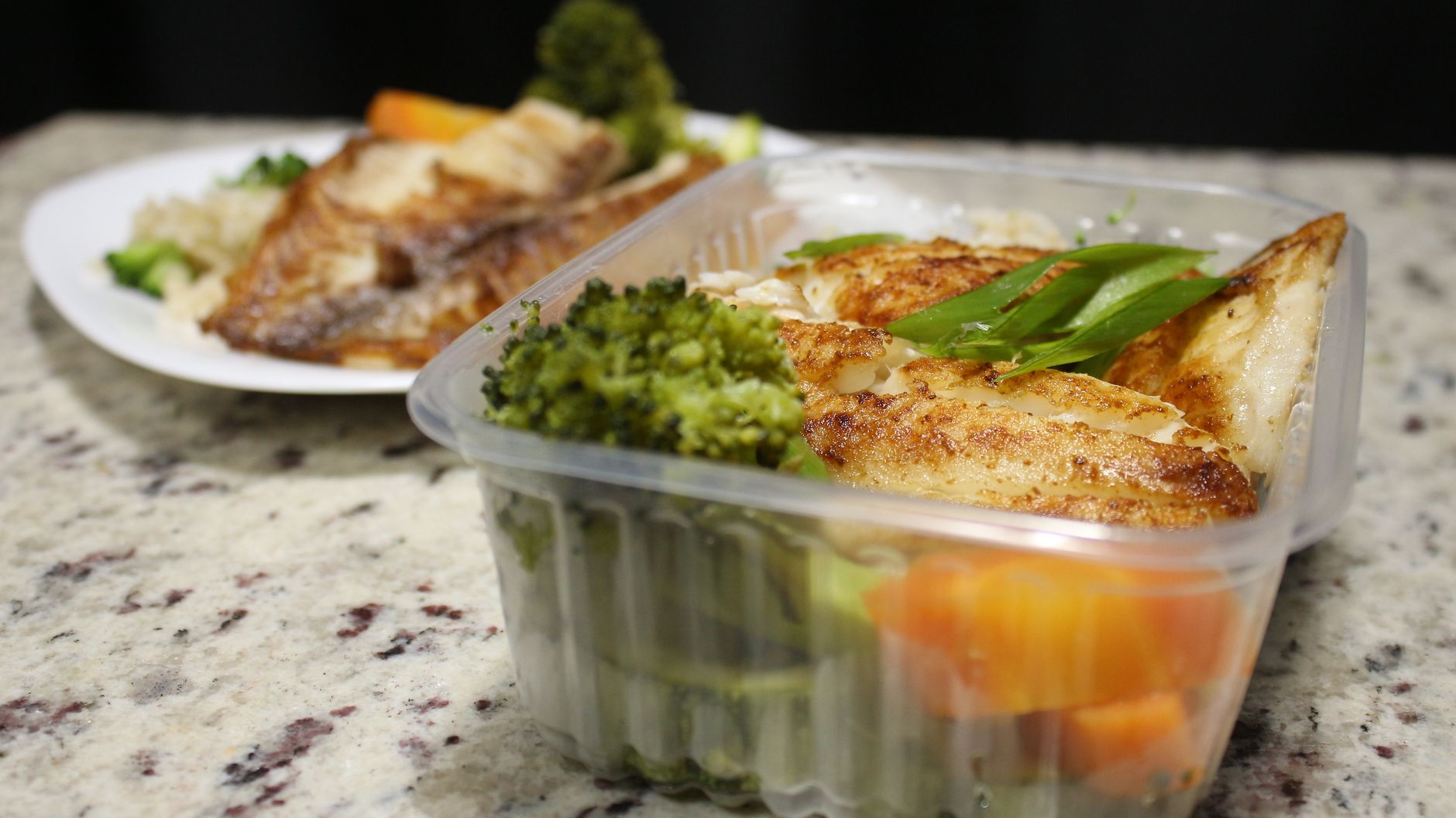
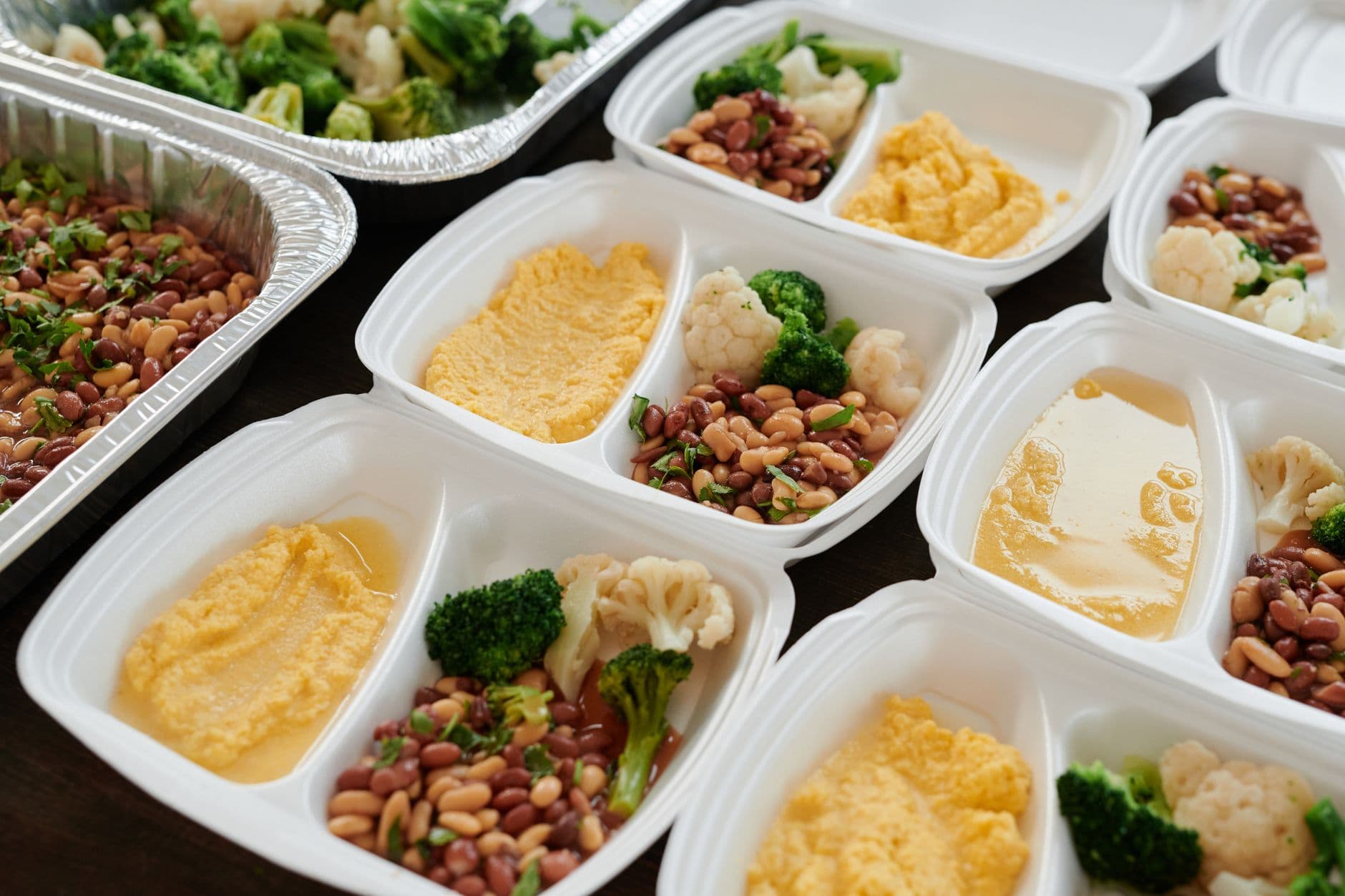
It’s tempting to make a giant pan of lasagna or a vat of stew, but these single-dish meals rarely transform well for night two. The flavors meld, but textures break down; reheating can turn once-vibrant ingredients into mush. The fix? Start with a versatile base—like roasted chicken, braised pork shoulder, or a big batch of cooked grains—that can be split and finished two different ways. This avoids the all-or-nothing monotony of a single casserole. The key is to think in components, not just complete dishes. Roasted vegetables, cooked proteins, and grains can be recombined with new sauces or fresh garnishes to create variety. Avoiding the one-dish trap also makes it easier to adapt to different tastes or dietary needs in the household.
References
Microwaving leftovers straight from the fridge is a recipe for disappointment. Uneven heating leads to overcooked edges and cold centers. Worse, improper reheating can be unsafe. The USDA recommends reheating leftovers to an internal temperature of 165°F (74°C) to kill bacteria, and stirring partway through for even heat distribution. If you’re reheating in the oven, cover dishes to prevent drying and check the center with a food thermometer for safety and quality. Large portions should be divided into smaller pieces for faster, more even reheating. Soups and stews should be brought to a rolling boil. For foods with crispy elements, consider reheating uncovered in a hot oven or skillet to restore texture. Skipping these steps risks both flavor and food safety.
Even the most creative dinner plan can go south if you don’t store food safely. Bacteria multiply quickly between 40°F and 140°F. Cool leftovers within two hours, store in shallow containers, and keep your fridge below 40°F. Use a labeling system to track what’s in your fridge and when it needs to be used—see /posts/freezer-label-system-home-kitchen for practical tips. Most cooked dishes are best eaten within 3–4 days. When in doubt, throw it out. Cross-contamination is another risk: always store raw and cooked foods separately, and keep leftovers covered to prevent contact with raw juices or spills. If you notice off smells, sliminess, or mold, discard the food immediately. Safe storage isn’t just about avoiding illness; it also preserves the quality and taste of your leftovers.
Failure Mode #4: Flavor Fatigue
If every element tastes the same two nights in a row, even the best home cook loses enthusiasm. The solution is to plan for transformation, not repetition. For example, roast a chicken on night one, then shred leftovers for tacos, fried rice, or soup on night two. Sauces and condiments are your allies—think chimichurri, quick pickles, or a spoonful of chili crisp to change the profile. For more ideas, see /posts/leftover-transformation-second-dinner. Adding a bright salad, a new sauce, or a crunchy topping can wake up the meal and provide contrast. Even a squeeze of citrus or a handful of fresh herbs can make leftovers taste new. The goal is to build in options for customization, so each meal feels like a fresh experience.
Failure Mode #5: Ignoring Texture
Texture is often overlooked in batch cooking, but it’s one of the first things to suffer after a night in the fridge. Soggy vegetables, limp grains, and rubbery proteins can make leftovers unappealing. To counter this, keep crunchy garnishes, fresh greens, and sauces separate until serving. When reheating, add a splash of broth or water to revive grains and proteins, and consider a quick sauté or broil to restore crispness. For example, roasted potatoes can be reheated in a hot skillet to regain their edges. Avoid storing fried or breaded foods with sauces, as they’ll lose their crunch. Planning for texture means thinking beyond flavor—aim for a mix of crisp, creamy, and chewy elements in each meal.
How to Pick the Right Base Dishes
Choose dishes that hold up well to both time and transformation. Proteins like roast chicken, pulled pork, or lentil stews are solid choices. Grains (rice, farro, barley) and roasted vegetables can be reworked into salads, stir-fries, or grain bowls. Avoid delicate greens, fried foods, or crispy toppings that won’t survive a night in the fridge. The table below suggests base dishes and their possible night-two transformations:
Base Dish
Night 1
Night 2 Transformation
Roast Chicken
With potatoes & carrots
Tacos, fried rice, or soup
Pulled Pork
Sandwiches with slaw
Rice bowls or quesadillas
Cooked Lentils
Stew with greens
Lentil salad or veggie burgers
Grain Pilaf
As a side with fish
Stir-fry or stuffed peppers
Smart Prep for Night Two
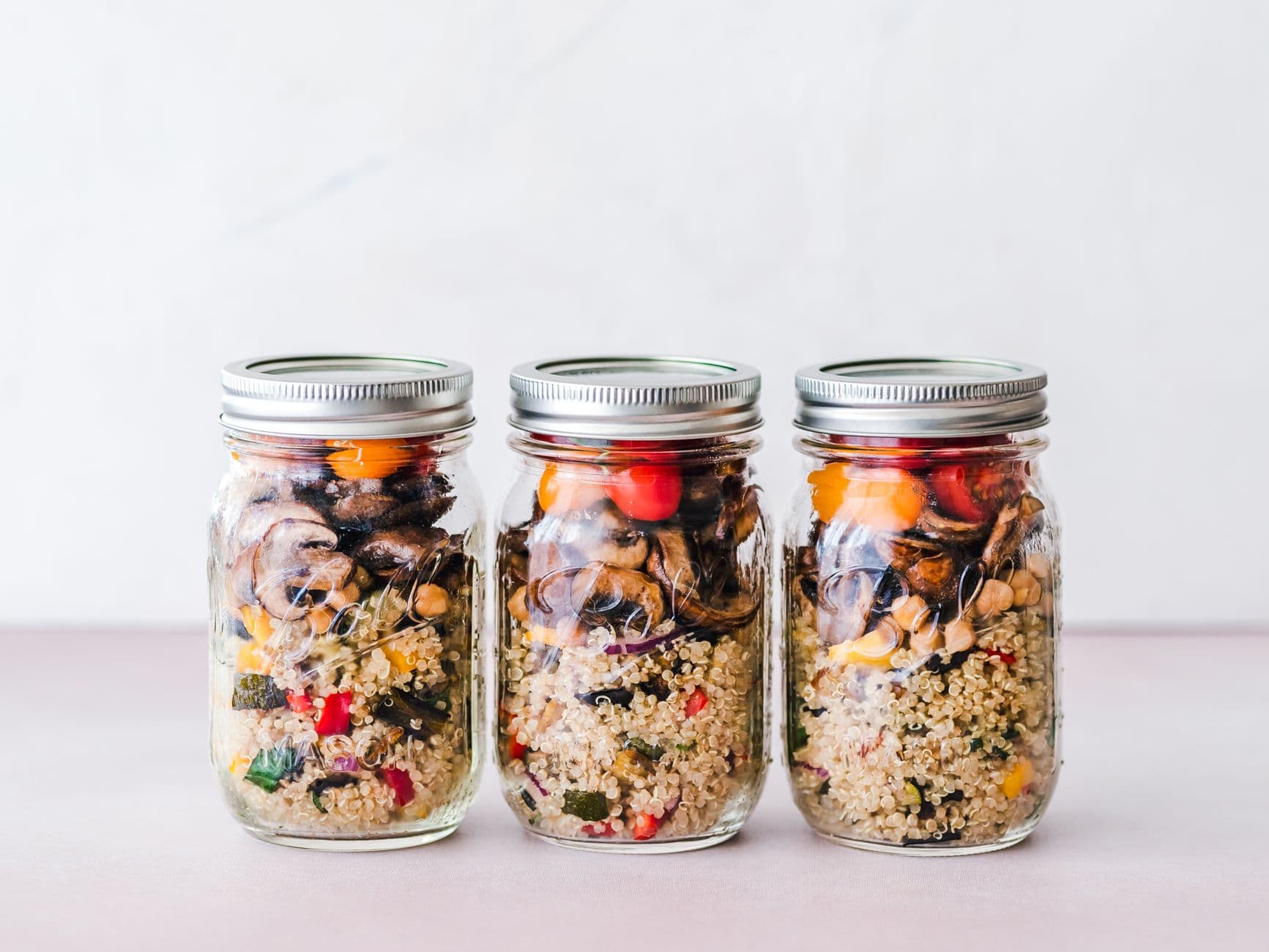
Before you pack up dinner, set aside the portion you’ll use for the second meal. Keep sauces and garnishes separate so you can add freshness at the last minute. If you’re prepping grains or proteins, cool them quickly and store in shallow containers to help them chill evenly. Label everything with the date (see /posts/freezer-label-system-home-kitchen). This way, your night-two meal starts with the right building blocks and stays food safe. Washing hands, cutting boards, and utensils between tasks prevents cross-contamination. For best results, let hot foods cool slightly at room temperature before refrigerating, but never for more than two hours. If you’re freezing portions for later, wrap tightly and use within two to three months for best quality.
When it’s time for round two, reheat only what you’ll eat. For most leftovers, stovetop or oven reheating preserves texture better than the microwave, but always check temperature. Leftovers should reach 165°F (74°C) throughout—use a food thermometer, especially for large or dense portions. Stir or flip food halfway through heating. If reheating sauces or soups, bring to a rolling boil. For detailed temperature guidance, consult the USDA Safe Temperature Chart. Avoid reheating more than once, as repeated heating and cooling cycles can increase the risk of bacterial growth and degrade flavor and texture. If using a microwave, cover food and add a splash of water to prevent drying. Let food stand for a minute after microwaving, then check the temperature in several spots. For oven reheating, cover dishes to retain moisture and uncover at the end if you want to crisp the top.
Failure Mode #6: Overlooking Cleanliness
Food safety isn’t just about temperature and timing. Cleanliness is a major factor in keeping leftovers safe and appetizing. Dirty hands, utensils, or surfaces can introduce bacteria that multiply during storage. Always wash hands thoroughly before and after handling food. Use separate cutting boards for raw meats and ready-to-eat items. Sanitize counters and sinks after prepping proteins. Even a small lapse in kitchen hygiene can lead to spoilage or foodborne illness. Pay attention to dish towels and sponges, which can harbor bacteria—wash or replace them regularly. Clean storage containers before each use, and avoid reusing containers that once held raw foods unless they’ve been thoroughly washed.
The Real Secret: Build for Variety, Not Just Volume
A successful cook once eat twice plan isn’t about doubling a recipe—it’s about building flexibility into your menu. By prepping versatile base components, storing them safely, and transforming them with fresh flavors, you can serve a second meal that feels new. The goal isn’t to hide leftovers, but to set yourself up for creative options that respect both your time and your taste buds. Think of each meal as a chance to experiment: one night’s roasted vegetables can become tomorrow’s grain bowl, or a protein can be tucked into a wrap with new toppings. With a little planning, leftovers become a launchpad for variety, not a sentence to repetition.
Benjamin Shaw covers kitchen skills and meal planning for FeedsAtlas. The writing stays practical: knife setup, heat cues, leftover plans, and shopping from a short list.
You’re staring at a short grocery list, feeling efficient—until you get home and realize you forgot olive oil, salt, or coffee. Balancing concise shopping with the everyday staples your kitchen relies on is a dilemma for every home cook. Stick to a short list for the meal, then give the pantry a 30-second scan for oil, salt, and the one condiment you always run out of.
You reach into your freezer for a quick dinner and discover a half-dozen unmarked containers, all frosted and anonymous. Was that stew from last month or last winter? If you’ve ever played the guessing game with your frozen leftovers, you know the stress—and the waste—of a poorly labeled freezer. A practical freezer food label system doesn’t need to be fussy, but it does need to be readable, consistent, and actually used. Here’s a realistic look at how to set up a labeling habit you’ll stick with, through the lens of a typical evening in the home kitchen.
Turning dinner leftovers into tomorrow’s lunch is a practical way to save time, reduce food waste, and simplify your meal planning. But doing it well means more than just scooping last night’s meal into a container. The right approach can keep your lunch appetizing, safe, and actually something you’ll look forward to. Here’s how to make packing lunch from dinner leftovers a reliable, rewarding habit, with a step-by-step example to guide you.
Every home cook has faced the wilted arugula or forgotten half-onion at the back of the fridge. A weekly vegetable meal plan doesn’t just save money—it lets you enjoy the best of your market haul, from the delicate greens that barely last a day to the sturdy roots that can anchor next week’s meals. This narrative walks through a realistic evening in the kitchen, sequencing what to use when, with food safety worked into each step and pragmatic tips for keeping both flavor and freshness at their peak.
Batch-cooking grains can turn weeknight meals from stressful to seamless, but it’s also where many home cooks stumble—ending up with sticky, overcooked, or bland results. This editorial walks through a realistic evening of prepping big-batch grains, from choosing which ones to cook to chilling and storing them safely. You’ll learn how to avoid mush, keep flavors fresh, and make future dinners far easier (and tastier) without risking food safety missteps.
The moment you open the fridge and spot last night’s dinner, you’re faced with a choice: reheat and repeat, or transform leftovers dinner into something that feels fresh. With a little planning and a dash of creativity, you can turn yesterday’s meal into a satisfying second act—one that feels like a reward, not a rerun. Here’s how to rethink leftovers, keep food safety in mind, and build a new dinner with minimal fuss.