Benjamin Shaw

Kitchen Skills & Planning Contributor

Writes about Home Cooking & Food Culture

Benjamin Shaw covers kitchen skills and meal planning for FeedsAtlas. The writing stays practical: knife setup, heat cues, leftover plans, and shopping from a short list.

  • knife and board setup
  • heat and seasoning
  • meal planning
  • leftover systems

Articles by Benjamin Shaw

Cover image for Shopping From a Short List Without Forgetting the Staples
Meal Planning

Shopping From a Short List Without Forgetting the Staples

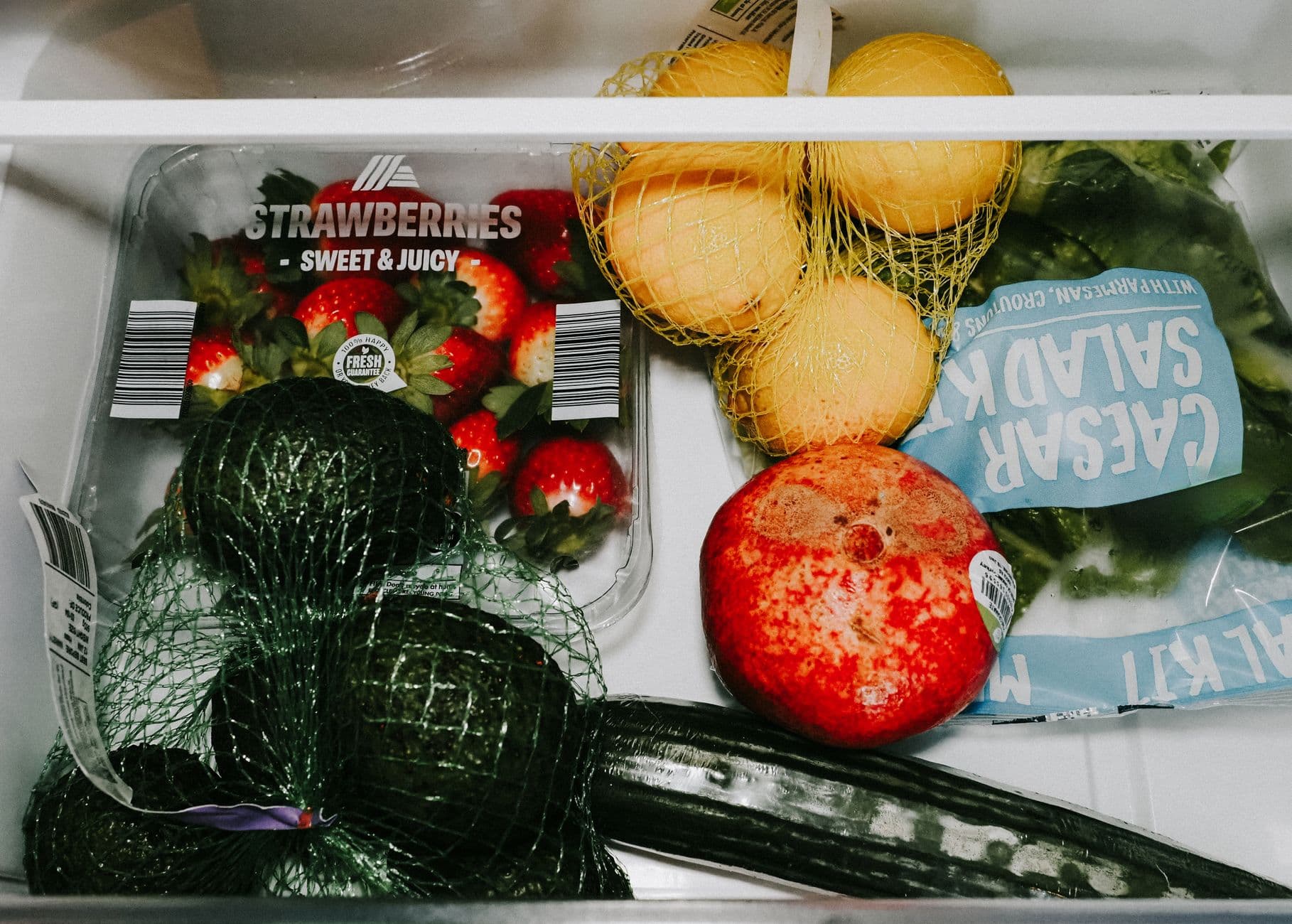
You’re staring at a short grocery list, feeling efficient—until you get home and realize you forgot olive oil, salt, or coffee. Balancing concise shopping with the everyday staples your kitchen relies on is a dilemma for every home cook. Stick to a short list for the meal, then give the pantry a 30-second scan for oil, salt, and the one condiment you always run out of.
Cover image for A Freezer Label System You Will Actually Read Later
Meal Planning

A Freezer Label System You Will Actually Read Later

You reach into your freezer for a quick dinner and discover a half-dozen unmarked containers, all frosted and anonymous. Was that stew from last month or last winter? If you’ve ever played the guessing game with your frozen leftovers, you know the stress—and the waste—of a poorly labeled freezer. A practical freezer food label system doesn’t need to be fussy, but it does need to be readable, consistent, and actually used. Here’s a realistic look at how to set up a labeling habit you’ll stick with, through the lens of a typical evening in the home kitchen.

Cover image for A Two-Night Cook-Once Plan That Does Not Taste Like Repeats
Meal Planning

A Two-Night Cook-Once Plan That Does Not Taste Like Repeats

Cook once, eat twice plans often sound like a weeknight miracle—until you find yourself dreading round two of leftovers. Avoiding repetition isn’t magic; it’s a matter of understanding the points where most home cooks get tripped up, like limp reheats, flavor fatigue, and unsafe storage. Choose a flexible base, store it safely, and change the second night’s garnish, starch, or sauce so dinner does not feel like a rerun.

Cover image for Using Residual Heat So Food Finishes Without Overcooking
Kitchen Skills

Using Residual Heat So Food Finishes Without Overcooking

Every home cook has faced the heartbreak of pulling a roast or chicken from the oven, only to find it disappointingly dry after resting. The culprit is often carryover cooking—when residual heat keeps raising the internal temperature even after the heat source is off. Mastering this phenomenon lets you hit perfect doneness without overcooking, especially for proteins. This practical guide explains how carryover cooking works, when it matters most, and how to harness it for reliably juicy results, including a detailed chicken breast example.

Cover image for When to Salt During Cooking So Food Tastes Seasoned, Not Salty
Kitchen Skills

When to Salt During Cooking So Food Tastes Seasoned, Not Salty

Every home cook has faced the dilemma: you follow a recipe, add the recommended salt, and still end up with food that’s either bland or bracingly salty. Getting seasoning right isn’t just about quantity—it’s about timing. Salt behaves differently depending on when you add it, and understanding this can mean the difference between a dish that sings and one that disappoints. The usual problems are salting too late, salting only at the end, or treating every food the same. Below: when salt helps, when it just sits on the surface, and how to recover a bland or overly salty pan.

Cover image for A Stable Knife Grip and Board Setup for Home Cooks
Kitchen Skills

A Stable Knife Grip and Board Setup for Home Cooks

When prepping dinner, the way you hold your knife and set up your cutting board can mean the difference between a safe, enjoyable cooking session and a frustrating, risky one. Home cooks often inherit habits from TV, friends, or family, but not every grip or board placement works for every task or kitchen. Here is how to choose a knife grip and board setup for your space, your ingredients, and your comfort—without treating any one method as universal.

Cover image for Packing Tomorrow’s Lunch From Tonight’s Cooking
Meal Planning

Packing Tomorrow’s Lunch From Tonight’s Cooking

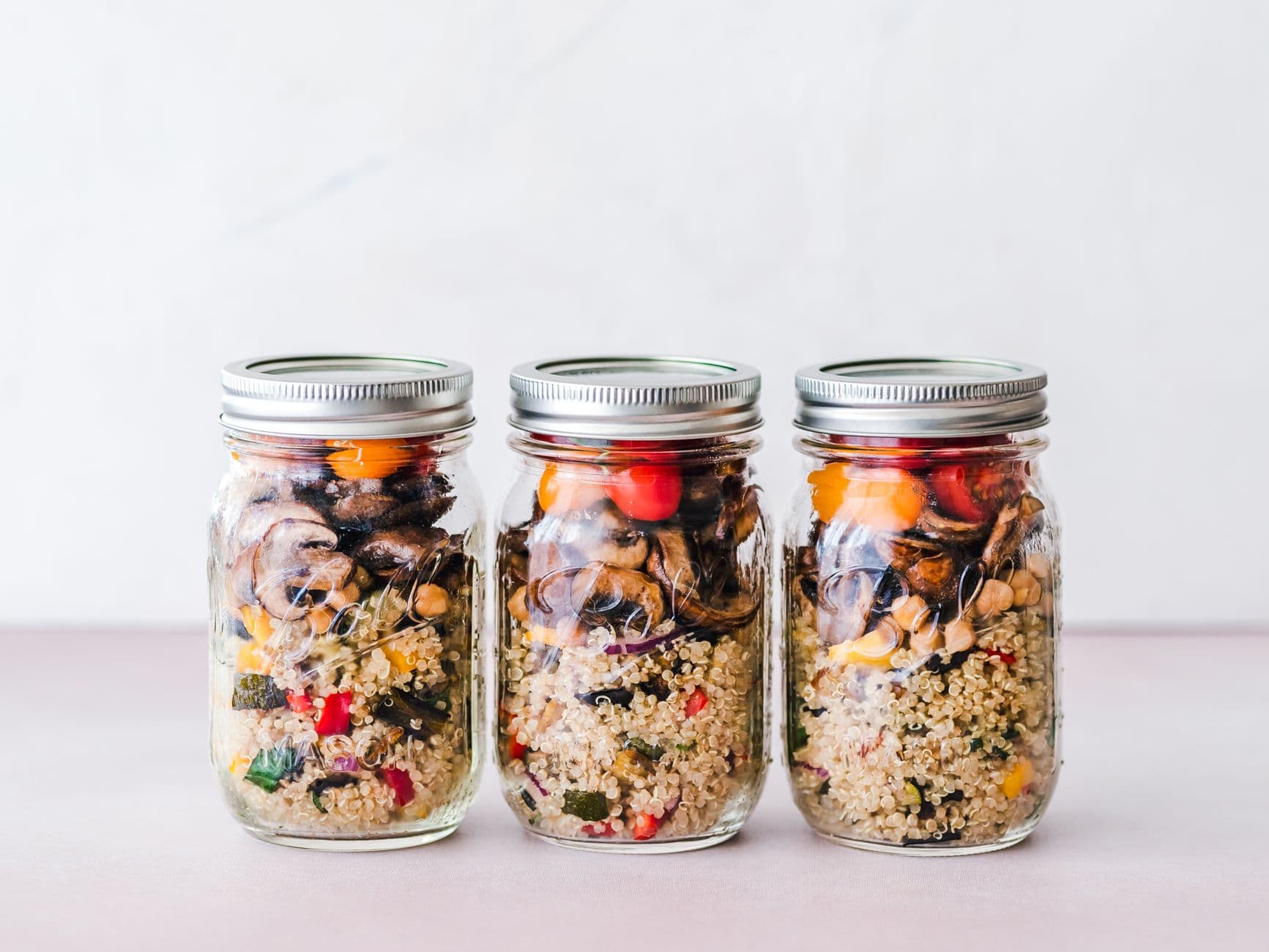
Turning dinner leftovers into tomorrow’s lunch is a practical way to save time, reduce food waste, and simplify your meal planning. But doing it well means more than just scooping last night’s meal into a container. The right approach can keep your lunch appetizing, safe, and actually something you’ll look forward to. Here’s how to make packing lunch from dinner leftovers a reliable, rewarding habit, with a step-by-step example to guide you.

Cover image for A Weekly Vegetable Plan That Uses the Fragile Ones First
Meal Planning

A Weekly Vegetable Plan That Uses the Fragile Ones First

Every home cook has faced the wilted arugula or forgotten half-onion at the back of the fridge. A weekly vegetable meal plan doesn’t just save money—it lets you enjoy the best of your market haul, from the delicate greens that barely last a day to the sturdy roots that can anchor next week’s meals. This narrative walks through a realistic evening in the kitchen, sequencing what to use when, with food safety worked into each step and pragmatic tips for keeping both flavor and freshness at their peak.

Cover image for Batch-Cooking Grains Without Ending Up With a Gluey Pot
Meal Planning

Batch-Cooking Grains Without Ending Up With a Gluey Pot

Batch-cooking grains can turn weeknight meals from stressful to seamless, but it’s also where many home cooks stumble—ending up with sticky, overcooked, or bland results. This editorial walks through a realistic evening of prepping big-batch grains, from choosing which ones to cook to chilling and storing them safely. You’ll learn how to avoid mush, keep flavors fresh, and make future dinners far easier (and tastier) without risking food safety missteps.

Cover image for Turning Last Night’s Dinner Into a Second Meal That Feels New
Meal Planning

Turning Last Night’s Dinner Into a Second Meal That Feels New

The moment you open the fridge and spot last night’s dinner, you’re faced with a choice: reheat and repeat, or transform leftovers dinner into something that feels fresh. With a little planning and a dash of creativity, you can turn yesterday’s meal into a satisfying second act—one that feels like a reward, not a rerun. Here’s how to rethink leftovers, keep food safety in mind, and build a new dinner with minimal fuss.

Cover image for Honing Versus Sharpening a Home Kitchen Knife
Kitchen Skills

Honing Versus Sharpening a Home Kitchen Knife

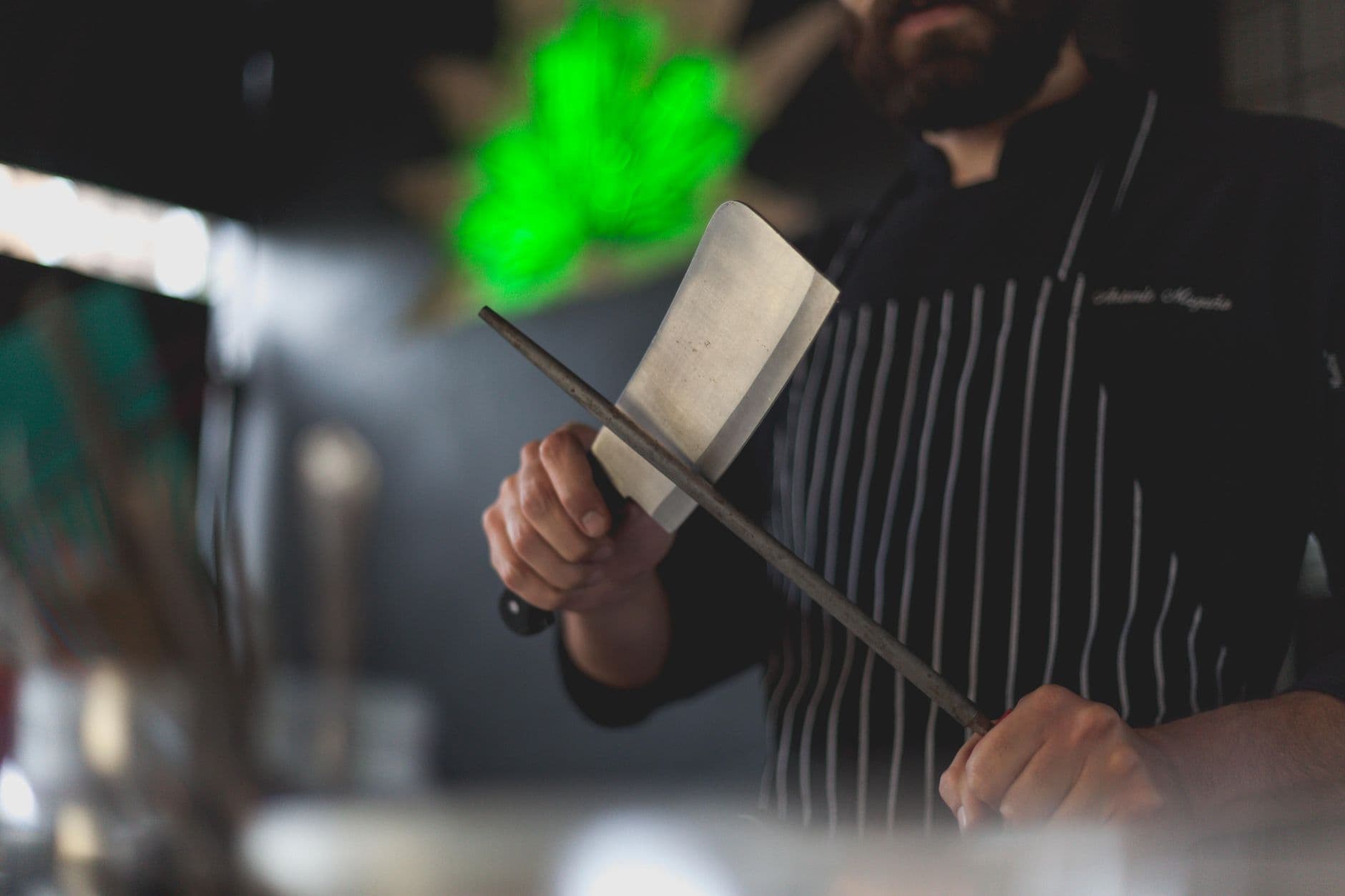
A dull kitchen knife can turn even basic meal prep into a hassle, slowing you down, squashing your tomatoes, and increasing the risk of slips. But do you need to sharpen, or simply hone? The difference is the steel’s alignment versus actually removing metal. Use the right one at the right time so the knife stays safe for onions, chicken, and everything in between.

Cover image for Steaming Versus Simmering When a Recipe Is Vague
Kitchen Skills

Steaming Versus Simmering When a Recipe Is Vague

You’re following a family recipe for dumplings or a new bean dish, and it simply says: 'Cook until done.' But does that mean steam or simmer? Navigating the 'steam vs simmer cooking' question can make the difference between soggy vegetables and crisp-tender perfection, or between a flavorful broth and a bland result. This clear explainer breaks down both techniques, when to choose each, and how to adapt when instructions are ambiguous—using a real-world example with broccoli. Food safety and best practices are woven throughout, so you can confidently interpret even the vaguest recipe instructions.

Cover image for Deglazing a Pan So the Brown Bits Become Sauce
Kitchen Skills

Deglazing a Pan So the Brown Bits Become Sauce

Every home cook faces the moment when a pan, once bustling with sizzling meat or vegetables, is left with stubborn brown bits stuck to the bottom. These aren’t burnt mistakes—they’re packed with flavor, waiting to be transformed into a sauce that elevates the entire meal. Learning how to deglaze a pan is a practical, kitchen-saving skill that turns cleanup into dinner’s final flourish. Here’s how to make those golden remnants work for you, step by step, on a typical weeknight.

Cover image for Pan-Heat Cues You Can See Before the Food Goes In
Kitchen Skills

Pan-Heat Cues You Can See Before the Food Goes In

Every home cook knows the frustration of food that sticks, steams, or scorches because the pan wasn’t hot enough—or was far too hot—before the first ingredient hit. But how hot should a pan be? Even without a thermometer, your eyes and ears can tell you plenty. Watch the oil, listen for the first sizzle, and use those cues for sautéing, searing, and stir-frying so you are not guessing every time.