Shopping From a Short List Without Forgetting the Staples
Benjamin Shaw··10 min read
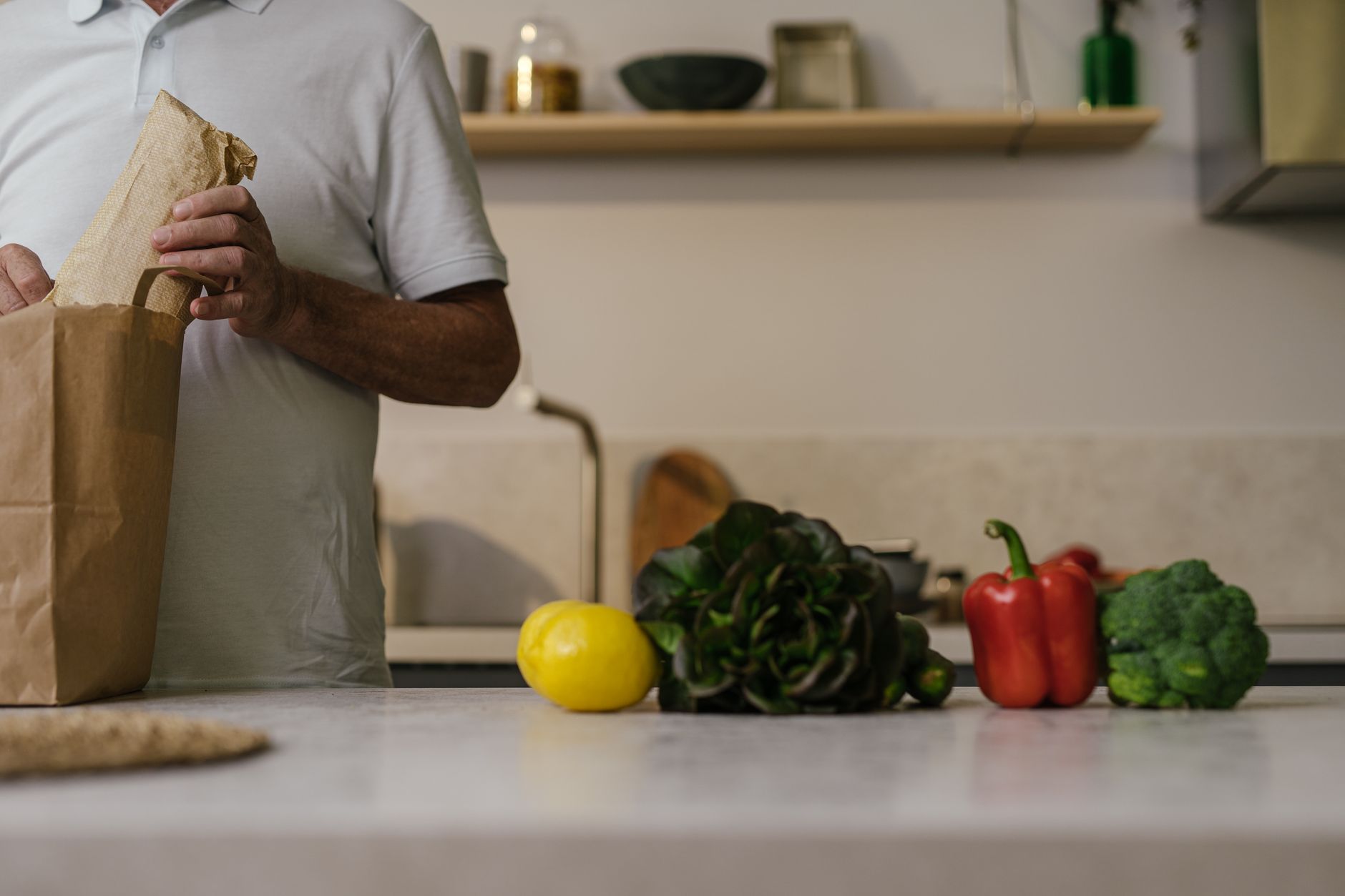
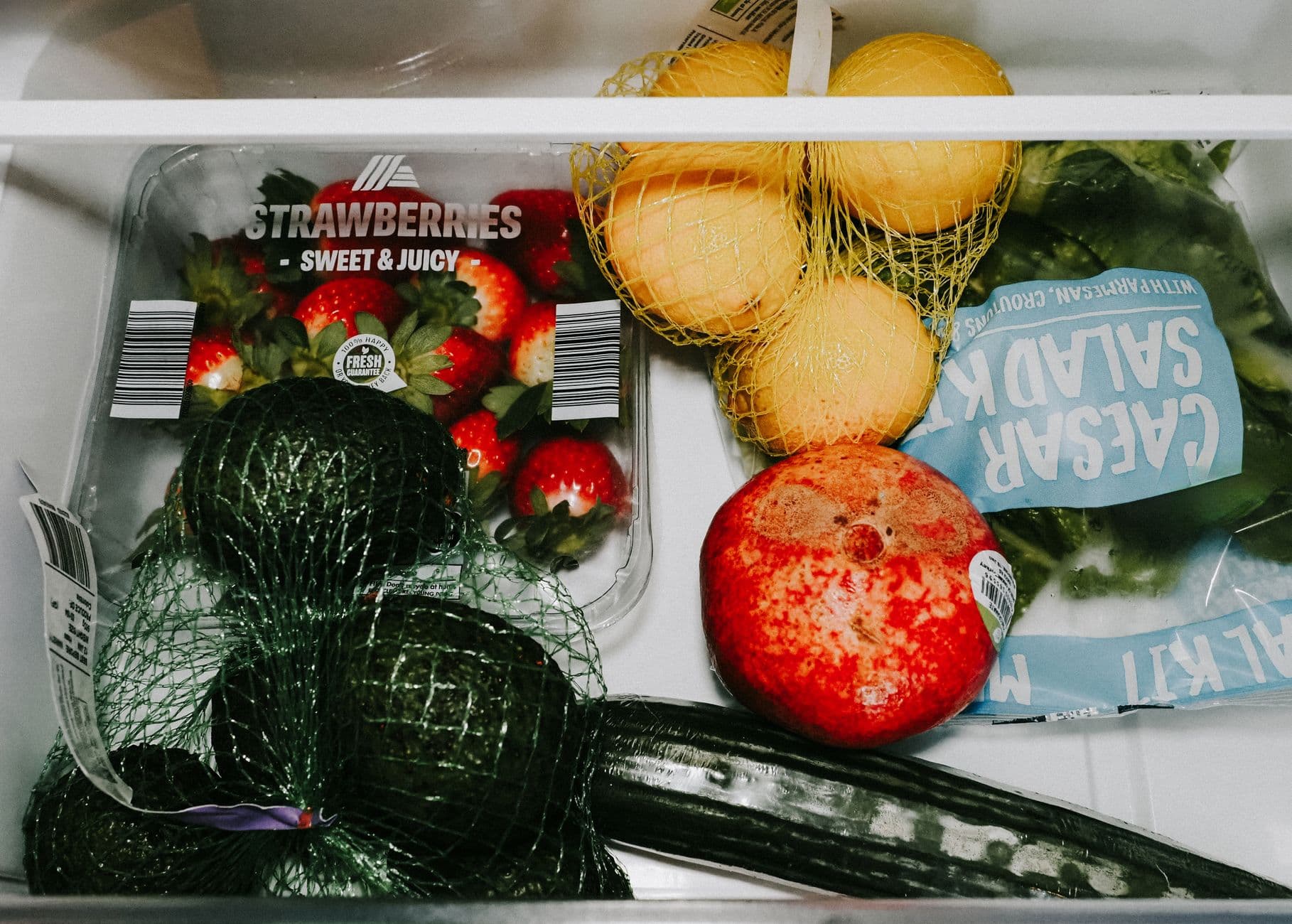
You’re staring at a short grocery list, feeling efficient—until you get home and realize you forgot olive oil, salt, or coffee. Balancing concise shopping with the everyday staples your kitchen relies on is a dilemma for every home cook. Stick to a short list for the meal, then give the pantry a 30-second scan for oil, salt, and the one condiment you always run out of.
Most have felt the sting of coming home with all the ingredients for a specific meal, only to find the onions, oil, or another kitchen staple is missing. The appeal of a short grocery list is clear—it saves time and keeps spending in check—but it can also leave you scrambling for basics that make home cooking work. The real question isn’t whether a short list is better, but when to trust it and when to expand your planning to include the staples that underpin your kitchen routine. The decision comes down to how predictable your weekly cooking is, how well you know your inventory, and how much flexibility you need.
Minimalist Lists: When They Shine
Short, focused grocery lists work best when meals are planned down to the last detail, and the pantry has been restocked recently. This approach saves time and keeps impulse buys to a minimum. It’s ideal for:
Busy weeks when overthinking meals isn’t an option.
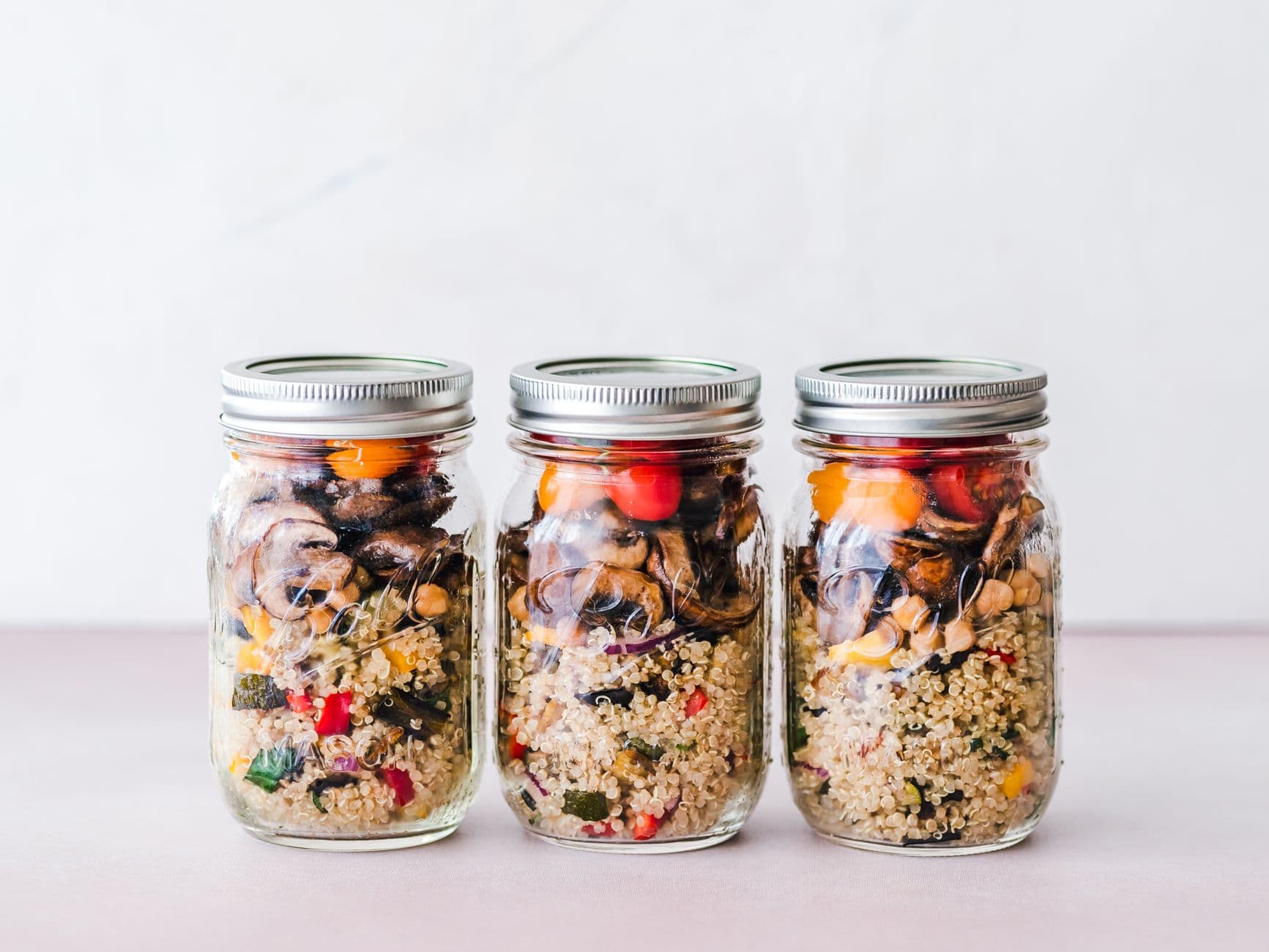
Cooking for one or two nights at a time, especially with a plan to use leftovers or batch-cooked staples.
Following a recipe with ingredients not normally stocked.
If the kitchen is already well-supplied with oils, spices, grains, and condiments, a pared-down list allows for quick, decisive shopping. This method relies on a solid baseline of staples at home. It’s a good fit when there’s confidence that the basics are covered, and the week’s meals won’t require last-minute substitutions.
The Risk: Staples Slip Through the Cracks
The main risk of sticking only to a short grocery list is running out of essentials used daily. Pantry and fridge staples—think salt, pepper, flour, eggs, and milk—don’t always run out on schedule. If stock isn’t checked regularly, last-minute surprises are likely. This isn’t just inconvenient; it can derail meal plans, waste fresh ingredients, and lead to extra trips that defeat the purpose of a quick, efficient shop. The risk increases when cooking for a group, making multiple meals, or trying new recipes. Even a well-organized kitchen can be caught off guard if the staples aren’t monitored.
Staple Inventory: When and How to Build It In
Cooking styles that rely on improvisation or routines that involve cooking more than a couple of nights in a row benefit from a habit of checking staples before shopping. Here’s when to do it:
At the start of the week, especially before a major shop.
When planning multiple meals that rely on the same basic ingredients.
After any big cooking project that draws down the pantry.
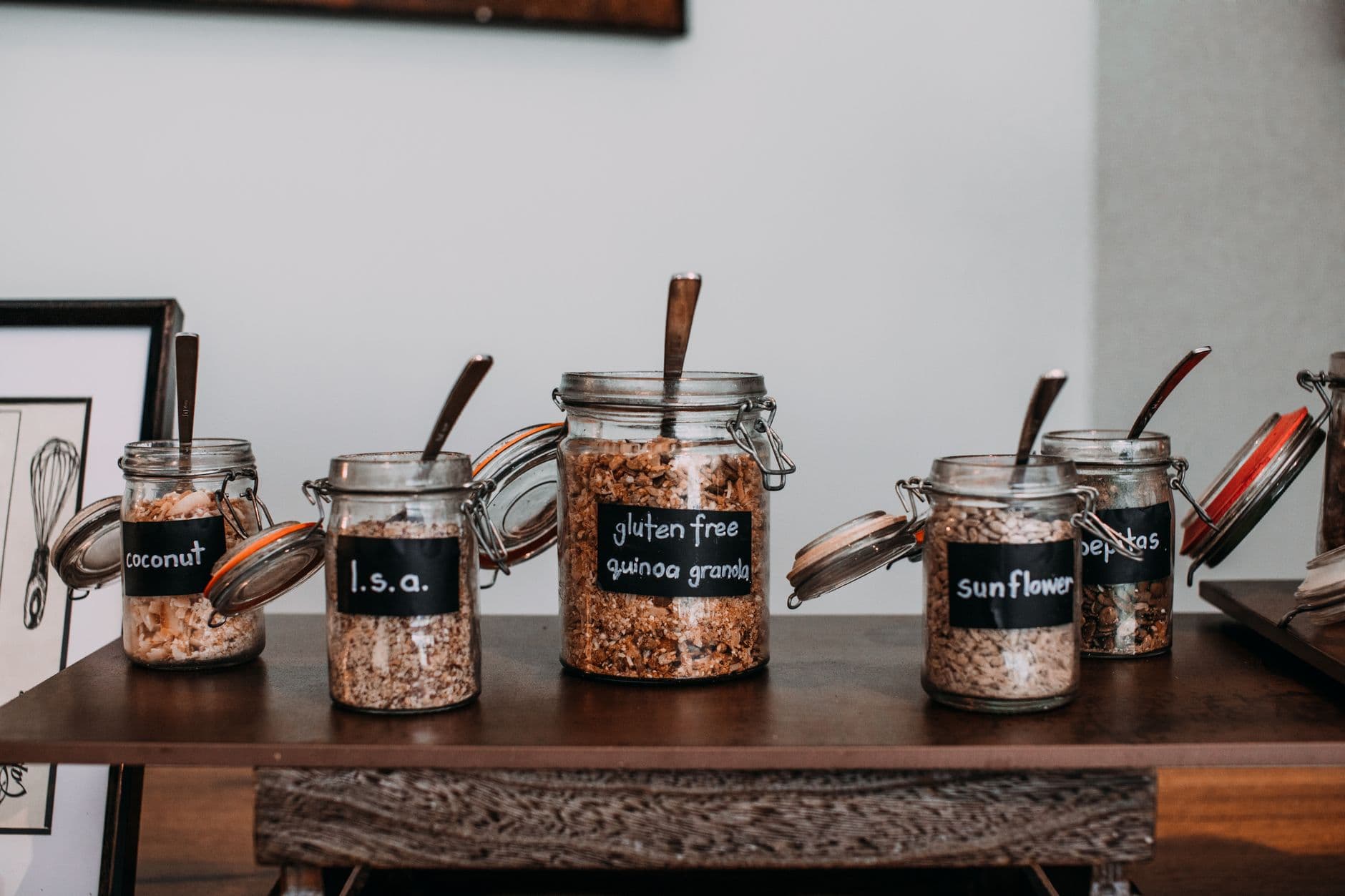
A quick scan of shelves for low jars and nearly-empty containers can save a headache later. Some find it helpful to keep a visible reminder—such as a sticky note or digital checklist—near the pantry or fridge. For those who cook frequently, building a routine pantry check into the weekly schedule ensures that the basics are always on hand. This step is especially important before holidays or when preparing for guests, when the demand for staples can spike unexpectedly.
Hybrid Approach: The Running List
A hybrid method offers a practical solution: keep a running list of staples that need to be replaced, and add these to the short, meal-specific list each time you shop. Whether using a notepad on the fridge or a shared phone app, jotting down when low on vinegar, baking powder, or rice means essentials are caught before running out. This method requires a little discipline—remember to update the list as items are used—but it balances efficiency with preparedness. The running list is especially effective in busy households or shared kitchens, where multiple people use the same supplies. By making it easy for anyone to note when a staple is running low, the risk of sudden shortages drops. This approach can be paired with a quick visual check before heading to the store, catching any items that may have been missed.
Food Safety: Why Staples Matter
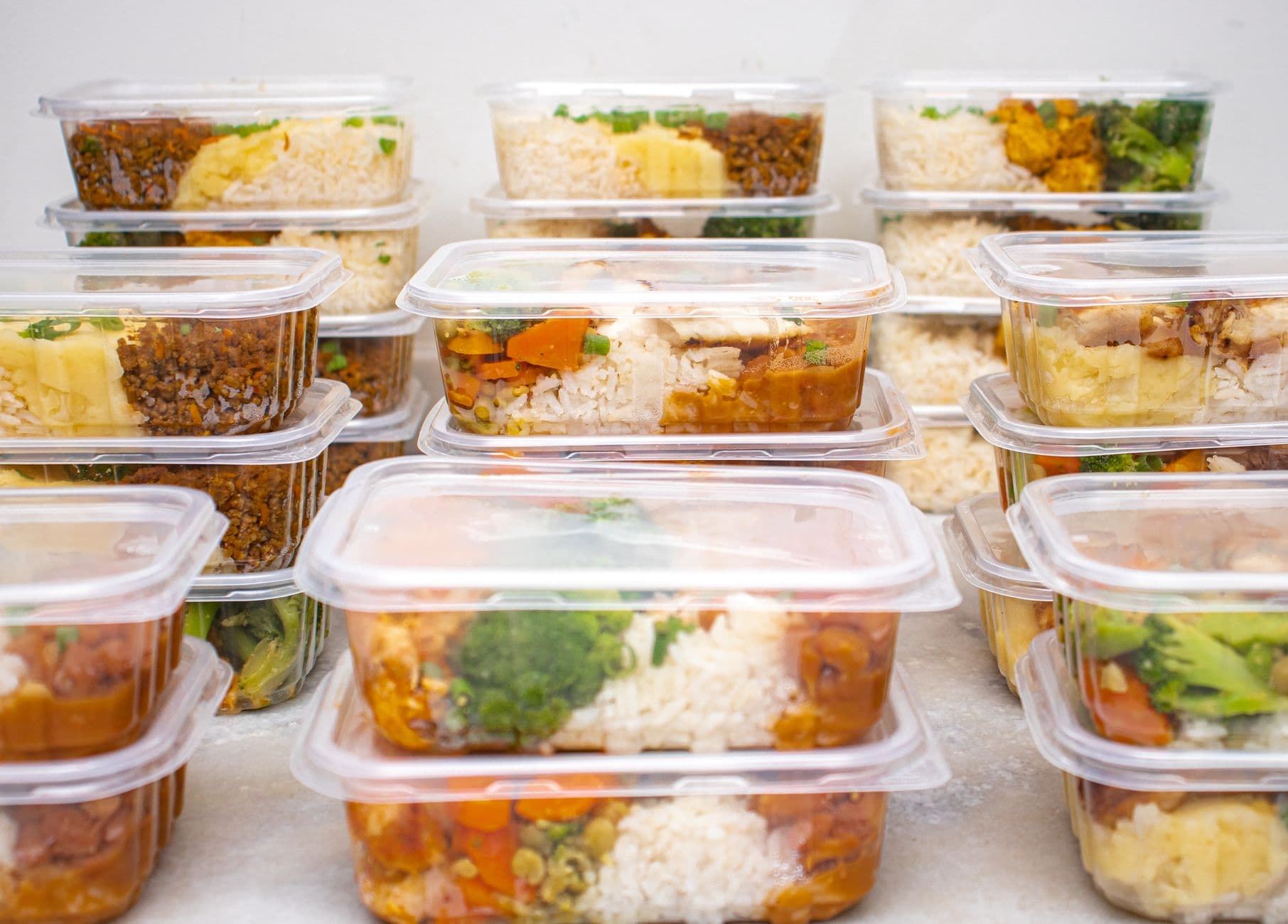
Staples like eggs, flour, and dairy are more than just convenient—they’re also foods with specific storage and safety needs. Running out unexpectedly can tempt cooks to stretch leftovers or substitute ingredients in unsafe ways. The U.S. Food and Drug Administration and USDA both stress the importance of keeping perishable staples refrigerated promptly and using leftovers within safe time frames to avoid foodborne illness. For example, the USDA recommends storing leftovers in shallow containers within two hours and using most within 3–4 days. Always check dates and storage conditions when restocking staples, and don’t let a short list lead to risky improvisation.
Food safety guidelines also apply to pantry staples. Flour, for example, should be kept dry and tightly sealed to prevent pests and spoilage. Eggs and dairy must be stored at or below 40°F (4°C), and the refrigerator should be checked regularly to ensure it maintains a safe temperature. The FDA recommends using a refrigerator thermometer to verify this. When in doubt, refer to expiration dates and trust your senses—if a staple looks, smells, or tastes off, it’s safest to discard it.
For more on safe storage and handling, see:
If checking every jar and box before every shop feels overwhelming, streamline the process. Group staples by zone—spices, baking, canned goods, fridge basics—and scan each area quickly. Some cooks use a monthly deep check and rely on their running list between times. Others do a five-minute scan before heading to the store. The trick is consistency: find a rhythm that fits your shopping habits. For large households, assigning zones to different people can speed up the process and ensure nothing is missed.
Another strategy is to use inventory markers—such as colored stickers or a marker line on containers—to indicate when an item is running low. This visual cue can prompt a quick addition to the running list. Digital solutions, like shared grocery apps, can also simplify the process by allowing real-time updates and reminders. The goal is to make pantry checks a habit, not a chore, so that running out of staples becomes a rare event.
When to Trust the Short List—And When Not To
A short list is most reliable when the pantry and fridge have been inventoried recently and the meal plan is tight. This approach works well for solo cooks, small households, or those who cook infrequently. It also fits when shopping for a specific recipe or event, and there’s confidence that all the basics are covered. However, if cooking for guests, tackling a new recipe, or it’s been a while since the last pantry check, take the extra minute to scan for essentials. The small investment in time pays off in smoother cooking and fewer emergency store runs.
Certain scenarios call for more caution. If the week’s meals rely heavily on eggs, milk, or other perishables, double-checking those supplies is wise. Likewise, if the household has recently hosted a gathering or completed a big batch-cooking session, staple supplies may be lower than expected. In these cases, expanding the list to include a quick staples check can prevent meal disruptions and reduce food waste.
Choosing a System: Decision Points
The choice between a minimalist list, a running staples list, or a full inventory check comes down to a few key decision points:
How predictable are your weekly meals? If meal plans rarely change and staple use is steady, a short list is often enough.
How many people use the kitchen? More users mean more unpredictability; a running list or regular check is safer.
How often do you cook from scratch? Frequent cooks benefit from more robust inventory checks.
Are there food safety concerns? Households with young children, elderly members, or anyone with compromised immunity should err on the side of caution and check perishable staples regularly.
Matching the shopping method to the household’s needs ensures that efficiency doesn’t come at the cost of forgotten essentials or food safety.
Final Thoughts: Build Your Own System
There’s no single right way to balance a short grocery list with the need for kitchen staples. The best approach is the one that fits your cooking style and household rhythm. Whether relying on regular pantry checks, a running staples list, or a combination, the goal is the same: fewer forgotten essentials, more flexibility, and less stress in the kitchen. Over time, most find that a hybrid approach—combining a short, focused list with a simple system for tracking staples—offers the best balance of efficiency and preparedness. With a little planning, the last-minute store dash for coffee or oil can become a thing of the past.
Benjamin Shaw covers kitchen skills and meal planning for FeedsAtlas. The writing stays practical: knife setup, heat cues, leftover plans, and shopping from a short list.
You reach into your freezer for a quick dinner and discover a half-dozen unmarked containers, all frosted and anonymous. Was that stew from last month or last winter? If you’ve ever played the guessing game with your frozen leftovers, you know the stress—and the waste—of a poorly labeled freezer. A practical freezer food label system doesn’t need to be fussy, but it does need to be readable, consistent, and actually used. Here’s a realistic look at how to set up a labeling habit you’ll stick with, through the lens of a typical evening in the home kitchen.
Cook once, eat twice plans often sound like a weeknight miracle—until you find yourself dreading round two of leftovers. Avoiding repetition isn’t magic; it’s a matter of understanding the points where most home cooks get tripped up, like limp reheats, flavor fatigue, and unsafe storage. Choose a flexible base, store it safely, and change the second night’s garnish, starch, or sauce so dinner does not feel like a rerun.
Turning dinner leftovers into tomorrow’s lunch is a practical way to save time, reduce food waste, and simplify your meal planning. But doing it well means more than just scooping last night’s meal into a container. The right approach can keep your lunch appetizing, safe, and actually something you’ll look forward to. Here’s how to make packing lunch from dinner leftovers a reliable, rewarding habit, with a step-by-step example to guide you.
Every home cook has faced the wilted arugula or forgotten half-onion at the back of the fridge. A weekly vegetable meal plan doesn’t just save money—it lets you enjoy the best of your market haul, from the delicate greens that barely last a day to the sturdy roots that can anchor next week’s meals. This narrative walks through a realistic evening in the kitchen, sequencing what to use when, with food safety worked into each step and pragmatic tips for keeping both flavor and freshness at their peak.
Batch-cooking grains can turn weeknight meals from stressful to seamless, but it’s also where many home cooks stumble—ending up with sticky, overcooked, or bland results. This editorial walks through a realistic evening of prepping big-batch grains, from choosing which ones to cook to chilling and storing them safely. You’ll learn how to avoid mush, keep flavors fresh, and make future dinners far easier (and tastier) without risking food safety missteps.
The moment you open the fridge and spot last night’s dinner, you’re faced with a choice: reheat and repeat, or transform leftovers dinner into something that feels fresh. With a little planning and a dash of creativity, you can turn yesterday’s meal into a satisfying second act—one that feels like a reward, not a rerun. Here’s how to rethink leftovers, keep food safety in mind, and build a new dinner with minimal fuss.