Turning Last Night’s Dinner Into a Second Meal That Feels New
Benjamin Shaw··9 min read
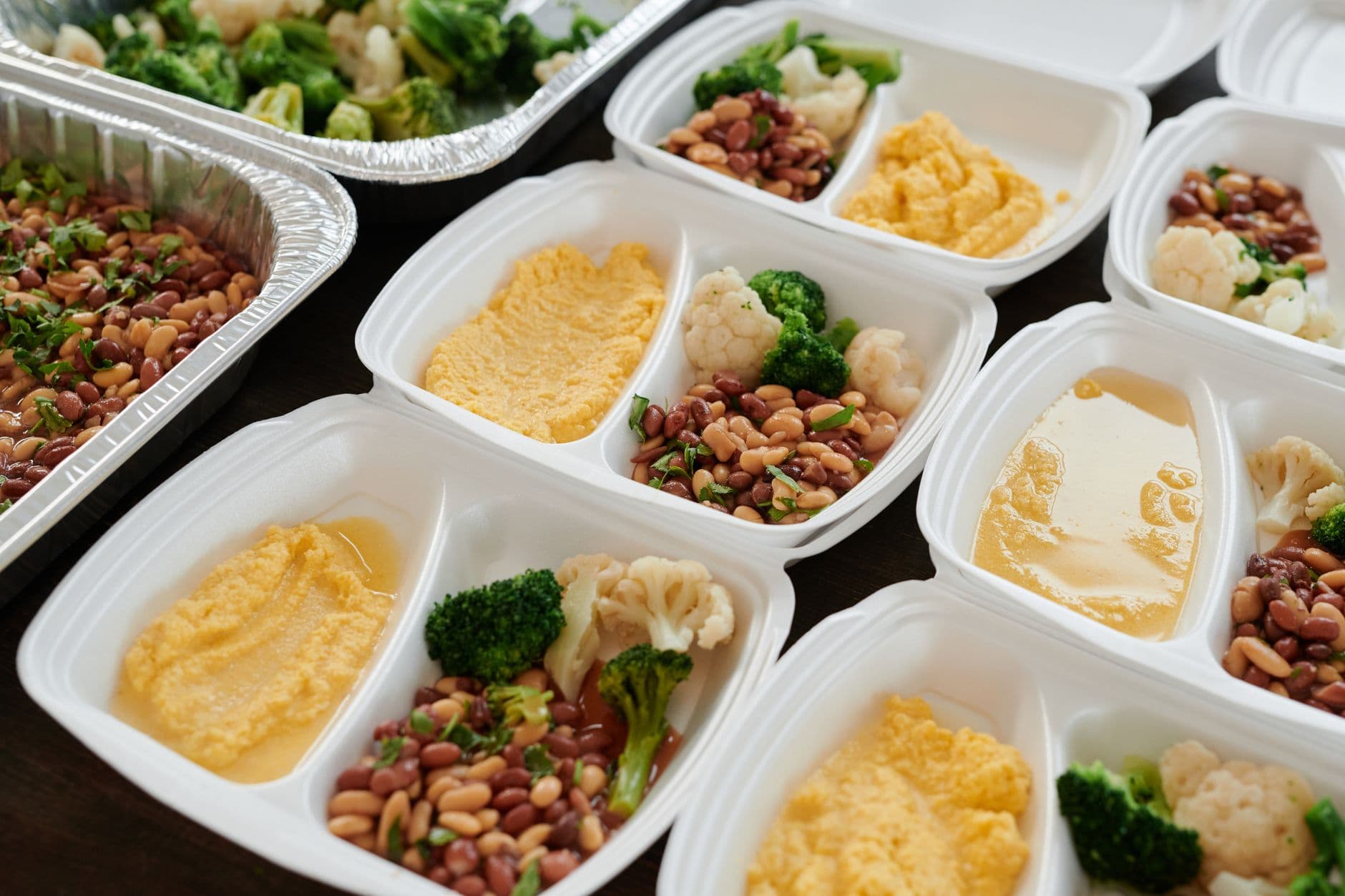
The moment you open the fridge and spot last night’s dinner, you’re faced with a choice: reheat and repeat, or transform leftovers dinner into something that feels fresh. With a little planning and a dash of creativity, you can turn yesterday’s meal into a satisfying second act—one that feels like a reward, not a rerun. Here’s how to rethink leftovers, keep food safety in mind, and build a new dinner with minimal fuss.
It’s the end of a long day and you’re finally ready to think about dinner. You open the fridge and there it is: last night’s roast chicken, a container of stir-fried vegetables, or maybe a bowl of rice. The temptation to just reheat and eat is strong, but tonight, you want something that feels new. This is the crossroads where a bit of planning can turn leftovers into an opportunity rather than a chore. Instead of resigning yourself to a repeat meal, consider how you might transform leftovers dinner into a dish you actually look forward to.
Assessing Your Leftovers: What’s Safe and What’s Inspiring
Before you plan your second dinner, start by checking what’s actually safe to use. According to the USDA, most cooked leftovers are safe in the refrigerator for 3 to 4 days as long as they’ve been cooled quickly and properly stored in shallow containers (less than 2 inches deep). If you’re not sure how long something’s been sitting, or if it has an off smell or texture, it’s safer to toss it than risk foodborne illness. For details, see the guidance from the USDA FSIS: https://www.fsis.usda.gov/food-safety/safe-food-handling-and-preparation/food-safety-basics/leftovers-and-food-safety. Once you’ve confirmed what’s usable, take a moment to think about what you have—protein, grains, vegetables, sauces—and what flavors or cuisines might emerge with a few additions. Sometimes, a quick mental inventory can spark ideas: a half-pan of roasted vegetables could be the base for a frittata, or leftover steak might inspire a rice bowl with a different sauce.
Start with a Clean Slate (and Clean Hands)
Before you do any chopping or mixing, wash your hands and give your prep area a quick wipe-down. The FDA recommends cleaning hands, cutting boards, and utensils before and after handling leftovers, especially if you’re adding fresh produce or prepping raw ingredients alongside cooked foods. This simple step helps prevent cross-contamination and keeps your second meal safe and fresh. Read more at: https://www.fda.gov/food/buy-store-serve-safe-food/food-safety-your-kitchen. Even if the kitchen looks tidy from the night before, a fresh cleaning pass ensures that any bacteria from raw or cooked foods don’t make their way into your reinvented meal.
Reimagining the Main: From Roast to Stir-Fry, Soup, or Salad
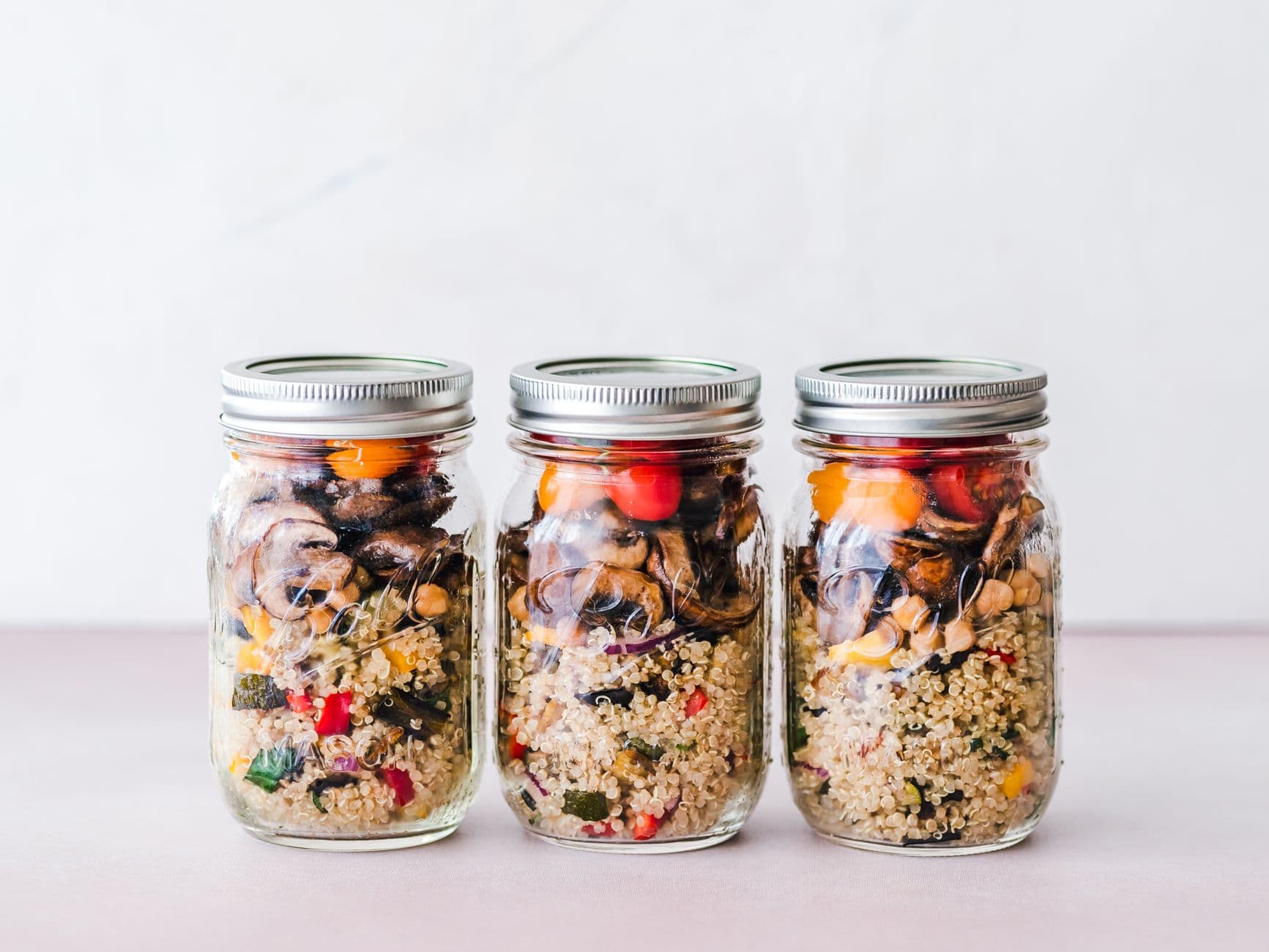
Here’s where the fun starts. If you have leftover roasted meat or vegetables, think about cutting them into bite-sized pieces and tossing them into a stir-fry with fresh greens and a splash of soy sauce. Or, shred the meat and simmer it briefly in broth with some chopped vegetables for a quick soup. Cold grains like rice or quinoa can become the base for a grain bowl or fried rice. If you’re feeling salad, layer leftovers over sturdy greens and add a punchy vinaigrette. The goal isn’t to mask yesterday’s meal, but to use it as a shortcut to something new.
Consider the possibilities: roasted chicken can become tacos with a little salsa and cabbage, or a creamy chicken salad with celery and herbs. Leftover vegetables can be tossed with pasta and a drizzle of olive oil, or blended into a soup with a splash of stock. If you have a bit of sauce left from a previous meal, use it as a dressing or a marinade for something fresh. Even small amounts of leftovers can be stretched by combining them with pantry staples or a few fresh ingredients.
Flavor Boosters: Pantry Staples Make the Difference
Leftovers often need a little help to feel fresh. Raid your pantry for sauces, spices, and condiments—think sriracha, pesto, tahini, soy sauce, or a squeeze of citrus. Toasted nuts, pickled onions, or a handful of fresh herbs can also add texture and brightness. This way, you’re not just reheating, but actually transforming the experience of dinner.
A drizzle of sesame oil or a spoonful of chili crisp can wake up a bowl of rice and vegetables. A sprinkle of feta or a handful of olives can take a basic salad to the next level. Even a simple vinaigrette made with mustard, vinegar, and olive oil can tie together a plate of odds and ends. Don’t overlook the power of a fresh squeeze of lemon or lime—acidity can balance out flavors and revive even the most tired leftovers.
The Two-Night Plan: Cook Once, Eat Differently
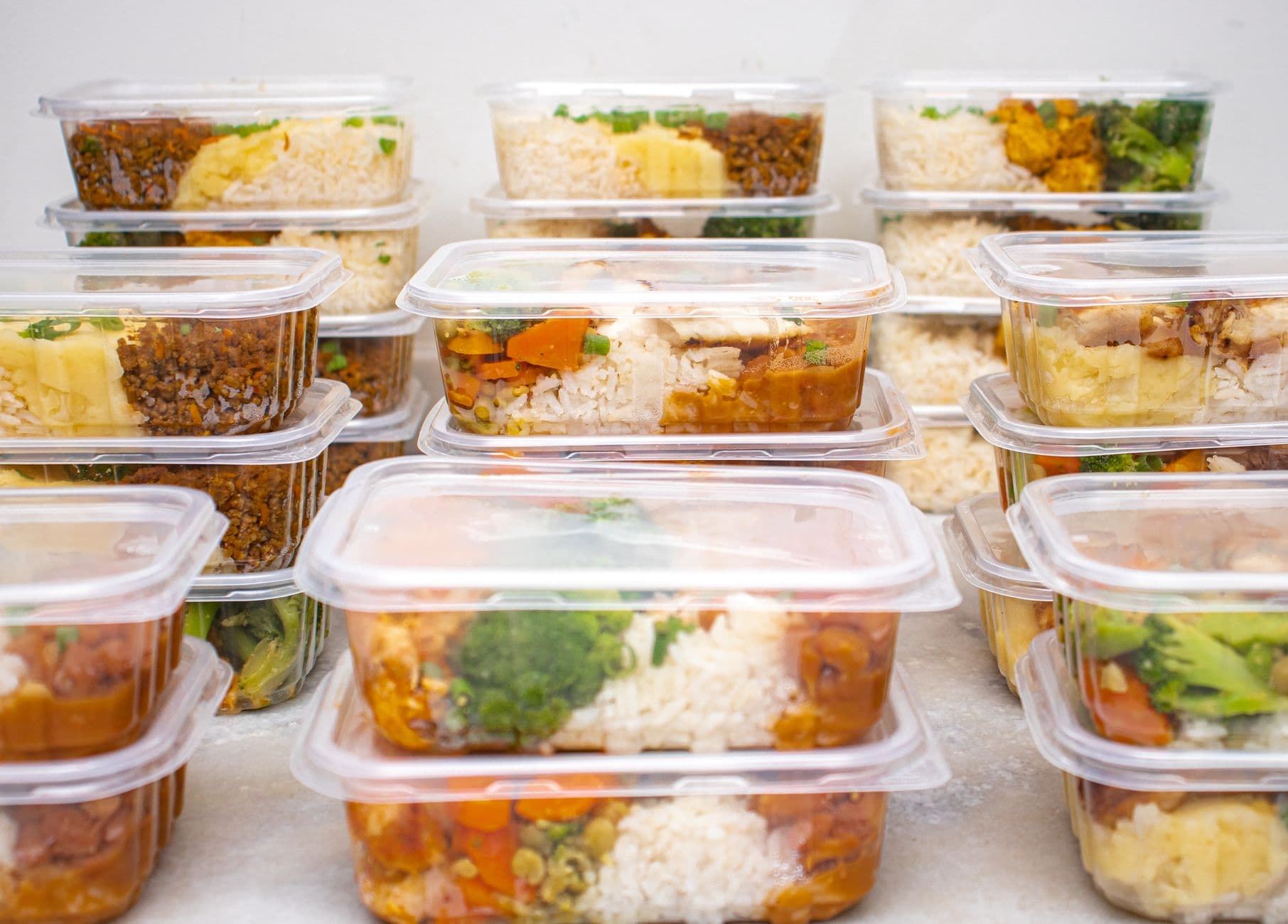
If you want to make this transformation part of your routine, consider planning for it when you cook. Roasting extra vegetables, making a double batch of grains, or cooking a larger protein can set you up for easy second meals. The key is to keep the base dish simple on night one, so you can season or style it differently on night two.
For example, a plain roast chicken on night one can become chicken enchiladas or a hearty soup the next evening. Roasted sweet potatoes can be mashed into a quick dip or folded into a grain bowl. By thinking ahead, you save time and reduce waste, all while keeping dinner interesting. This approach is especially useful for busy weeks, when the energy to cook from scratch every night just isn’t there. With a little foresight, last night’s meal becomes tomorrow’s shortcut.
Reheating Right: Keeping It Safe and Delicious
When it’s time to reheat, make sure your leftovers reach an internal temperature of 165°F (74°C) throughout, as recommended by the USDA. Stir occasionally if you’re using a microwave to ensure even heating. Don’t let leftovers sit out at room temperature for more than two hours, and never try to revive something that’s been in the fridge longer than four days. For reheating and storage times, refer to the USDA FSIS and FoodSafety.gov charts: https://www.fsis.usda.gov/food-safety/safe-food-handling-and-preparation/food-safety-basics/leftovers-and-food-safety and https://www.foodsafety.gov/food-safety-charts/cold-food-storage-charts.
If you’re thawing frozen leftovers, the safest methods are in the refrigerator, in cold water (changing the water every 30 minutes), or in the microwave. Never thaw foods at room temperature, as this can allow bacteria to multiply rapidly. Once thawed, use leftovers within 3 to 4 days, and never refreeze unless they’ve been reheated to the proper temperature. These steps help ensure your second meal is as safe as it is satisfying.
Adding Freshness: Safe Handling of Produce
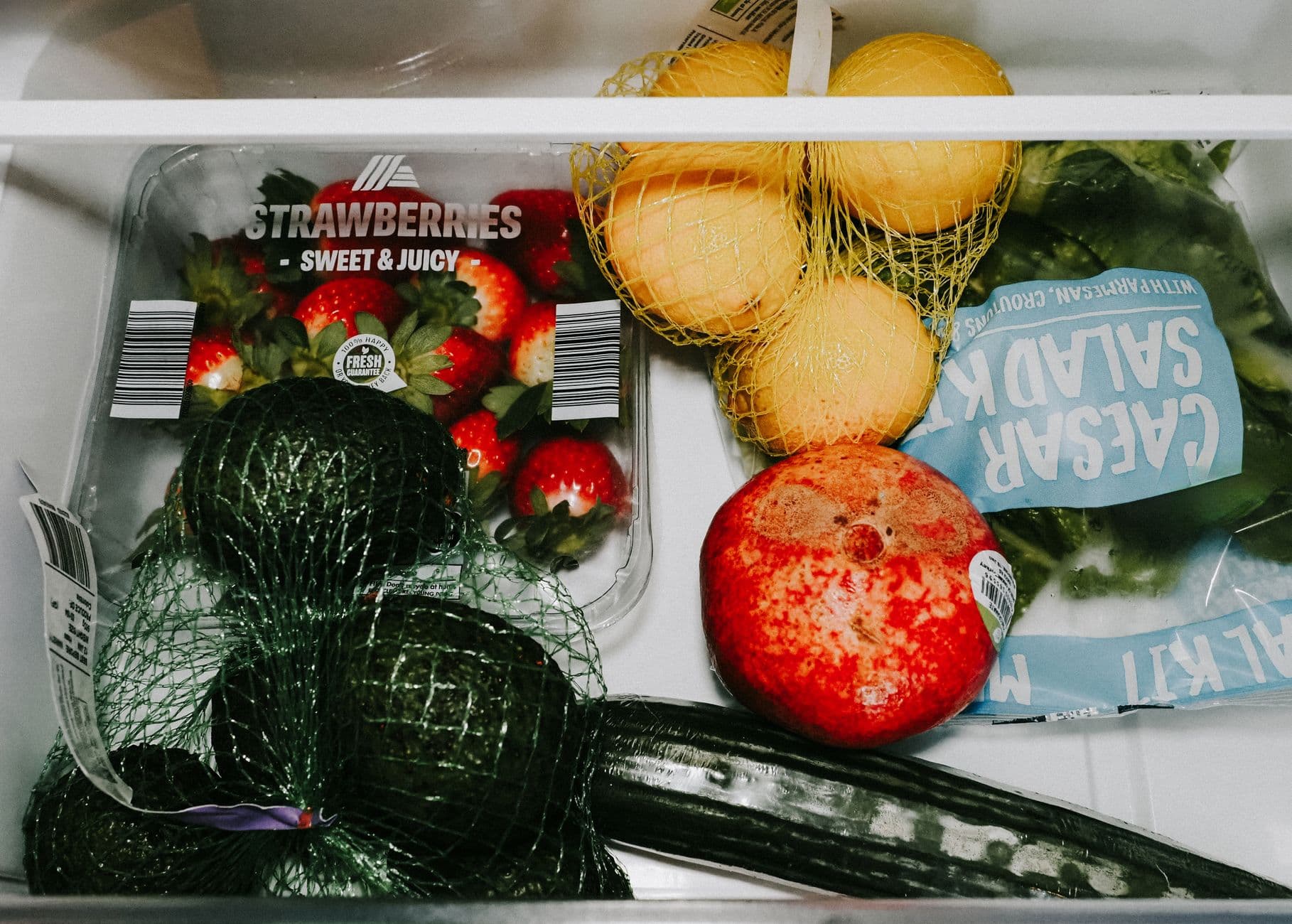
If you’re adding fresh greens, herbs, or raw vegetables to your leftover transformation, wash them thoroughly under running water before use. The FDA’s advice is to avoid soap or detergents and to dry produce with a clean towel. This helps remove potential contaminants and keeps your meal crisp and inviting. Review best practices here: https://www.fda.gov/food/buy-store-serve-safe-food/selecting-and-serving-produce-safely.
Bagged salads and pre-cut produce should also be rinsed, even if labeled as pre-washed. For firmer produce like carrots or cucumbers, a gentle scrub with a brush can remove dirt and bacteria. If you’re slicing fruit or vegetables, use a clean cutting board and knife, and keep raw items separate from cooked foods to prevent cross-contamination. These steps don’t take much time but make a big difference in both safety and flavor.
A Realistic Evening in the Kitchen
You come home, check your leftovers, and decide on a direction. Maybe you shred yesterday’s roast chicken, toss it with sriracha and lime, and pile it onto tortillas with fresh cabbage. Or you turn plain rice into a quick fried rice with scallions, eggs, and a handful of frozen peas. The transformation doesn’t need to be complicated—just intentional. By building your second meal around what’s already cooked, you save time, reduce waste, and still get the pleasure of something new at your own table.
Picture the scene: the fridge door swings open, and the mental wheels start turning. There’s a container of roasted vegetables, a few pieces of grilled steak, and a half-used jar of pesto. A quick scan of the pantry reveals a box of pasta and some canned beans. In less than thirty minutes, the roasted vegetables and steak become a hearty pasta toss, finished with pesto and a sprinkle of parmesan. If there’s a handful of spinach or arugula, it’s tossed in at the last minute for a burst of green. Maybe there’s even a slice of bread to toast and rub with garlic as a side. The process is less about following a recipe and more about assembling what’s on hand, guided by a sense of what tastes good together.
Throughout the evening, small habits make the difference: washing hands before and after handling food, using separate utensils for raw and cooked ingredients, and making sure leftovers are reheated thoroughly. The kitchen feels less like a place of obligation and more like a space for creativity and care. By the end of the meal, there’s satisfaction—not just from eating, but from knowing that nothing went to waste and dinner felt new again.
Benjamin Shaw covers kitchen skills and meal planning for FeedsAtlas. The writing stays practical: knife setup, heat cues, leftover plans, and shopping from a short list.
You’re staring at a short grocery list, feeling efficient—until you get home and realize you forgot olive oil, salt, or coffee. Balancing concise shopping with the everyday staples your kitchen relies on is a dilemma for every home cook. Stick to a short list for the meal, then give the pantry a 30-second scan for oil, salt, and the one condiment you always run out of.
You reach into your freezer for a quick dinner and discover a half-dozen unmarked containers, all frosted and anonymous. Was that stew from last month or last winter? If you’ve ever played the guessing game with your frozen leftovers, you know the stress—and the waste—of a poorly labeled freezer. A practical freezer food label system doesn’t need to be fussy, but it does need to be readable, consistent, and actually used. Here’s a realistic look at how to set up a labeling habit you’ll stick with, through the lens of a typical evening in the home kitchen.
Cook once, eat twice plans often sound like a weeknight miracle—until you find yourself dreading round two of leftovers. Avoiding repetition isn’t magic; it’s a matter of understanding the points where most home cooks get tripped up, like limp reheats, flavor fatigue, and unsafe storage. Choose a flexible base, store it safely, and change the second night’s garnish, starch, or sauce so dinner does not feel like a rerun.
Turning dinner leftovers into tomorrow’s lunch is a practical way to save time, reduce food waste, and simplify your meal planning. But doing it well means more than just scooping last night’s meal into a container. The right approach can keep your lunch appetizing, safe, and actually something you’ll look forward to. Here’s how to make packing lunch from dinner leftovers a reliable, rewarding habit, with a step-by-step example to guide you.
Every home cook has faced the wilted arugula or forgotten half-onion at the back of the fridge. A weekly vegetable meal plan doesn’t just save money—it lets you enjoy the best of your market haul, from the delicate greens that barely last a day to the sturdy roots that can anchor next week’s meals. This narrative walks through a realistic evening in the kitchen, sequencing what to use when, with food safety worked into each step and pragmatic tips for keeping both flavor and freshness at their peak.
Batch-cooking grains can turn weeknight meals from stressful to seamless, but it’s also where many home cooks stumble—ending up with sticky, overcooked, or bland results. This editorial walks through a realistic evening of prepping big-batch grains, from choosing which ones to cook to chilling and storing them safely. You’ll learn how to avoid mush, keep flavors fresh, and make future dinners far easier (and tastier) without risking food safety missteps.